Union Leaders Reject Repressive Tactics
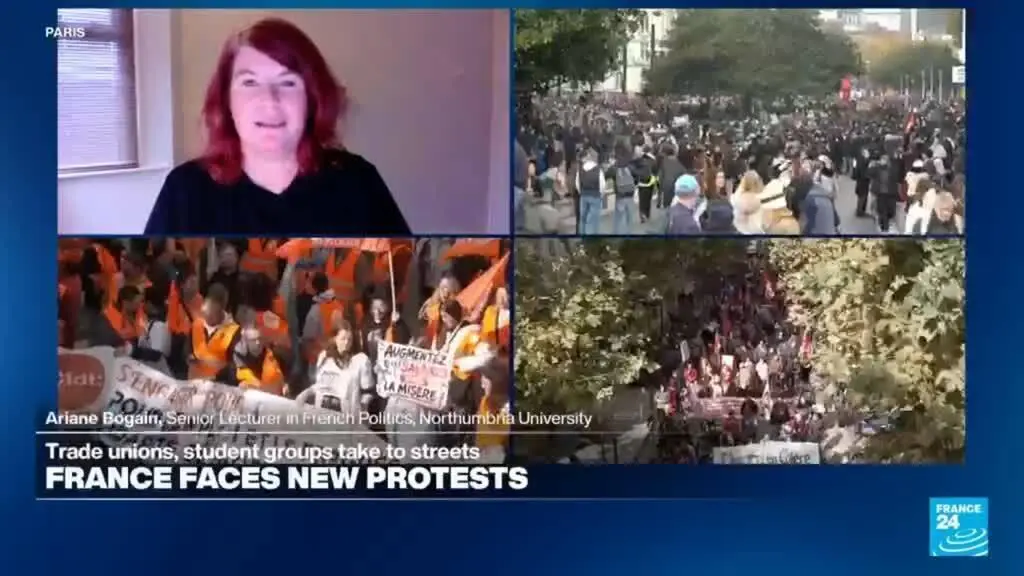
Protests across France continue as unions insist that meaningful change requires cooperation between government and private employers. A prominent activist delivered a stark message to authorities, stating that even aggressive crackdowns will not erase the underlying grievances. The sentiment reflects a deepening frustration among workers who feel their demands are being ignored. This stance highlights the escalating tension between the state and organized labor in the current political climate.
The core issue remains the perceived imbalance in economic power. Unions argue that public services are underfunded while private profits soar. They demand structural reforms that address wage stagnation and job security. The recent demonstrations have drawn thousands of participants to major cities. Police have responded with significant deployments to manage crowds. However, the activists maintain that physical presence does not equate to political resolution. They emphasize that dialogue is the only viable path forward. Without this cooperation, they predict further unrest and prolonged strikes.
Will Public-Private Cooperation Solve the Crisis?
Aria, a key figure in the protest movement, articulated the union's position with sharp clarity. She noted that authorities can choose to be as repressive as they wish. Yet, she argued, the complaints and demands will persist regardless of police action. This comment underscores the resilience of the labor movement. It suggests that traditional methods of crowd control are failing to address root causes. The unions are not seeking temporary concessions but systemic change. They point to years of broken promises by successive governments. Workers feel betrayed by political rhetoric that fails to match policy outcomes. The movement has gained momentum by uniting diverse sectors. Teachers, healthcare workers, and transport staff have aligned their goals. This unity strengthens their bargaining power on the national stage.
The proposed solution centers on a tripartite model of engagement. Unions insist that only when the public and private sectors act together can real changes occur. This approach demands that private companies share the burden of economic stability. It also requires the government to play a more active regulatory role. Critics of this view argue that it may stifle market competitiveness. However, supporters claim it is essential for social cohesion. The debate has intensified in legislative chambers. Lawmakers are divided on how to proceed. Some propose new tax incentives for compliant businesses. Others fear this will burden the state further. The outcome of these negotiations will define France's economic future.
The situation remains volatile as both sides dig in their heels. If cooperation fails, the risk of prolonged industrial action grows. Businesses may face supply chain disruptions. Public services could suffer from staffing shortages. The government faces pressure to find a compromise quickly. Time is running out before the next scheduled strike vote. Observers watch closely for any signs of breakthrough. The coming weeks will determine if France can avoid a deeper economic and social crisis.
Frequently Asked Questions
Why do unions demand public-private cooperation? Unions believe that isolated government actions are insufficient to address economic inequality. They argue that private sector participation is necessary for sustainable wage growth.
What happens if negotiations fail? The unions have threatened further strikes and demonstrations. This could lead to significant disruptions in public transport and essential services.