Educational Shortages Drive Student Demands
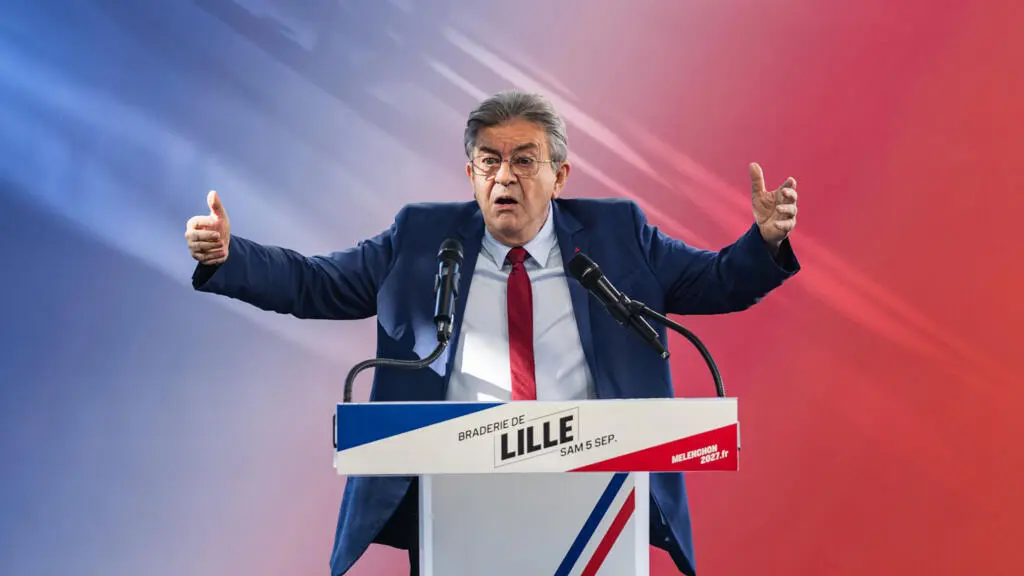
French Prime Minister Sébastien Lecornu and far-left leader Jean-Luc Mélenchon engaged in a heated public dispute on Monday. The conflict centers on high school students who are currently blockading classrooms. These students are demanding increased government resources for their education. The standoff highlights deepening divisions within French politics. This occurs just before the upcoming presidential election scheduled for 2027. The situation has become a focal point for national debate.
The core issue involves severe staffing shortages in the education sector. Students argue that schools are deteriorating physically and academically. They face heavy academic schedules without adequate support. The prime minister and the opposition leader exchanged sharp remarks during this exchange. Both sides used the student movement to advance their own political narratives. This dynamic risks turning a student grievance into a partisan battle. The government faces pressure to respond quickly to avoid further unrest.
Can Political Rivalry Resolve Student Grievances?
Students specifically cite a lack of teachers as a primary cause of their frustration. Many classrooms operate with fewer instructors than required. This leads to larger class sizes and less individual attention. Additionally, the physical condition of many school buildings is worsening. Repairs have been delayed due to budget constraints. Students feel that their future is being compromised by these systemic failures. They argue that the current system is unsustainable. The blockade strategy aims to force immediate government action. Parents and local officials are watching closely. The movement has gained significant traction among young voters.
The rivalry between Lecornu and Mélenchon complicates potential solutions. Each leader tries to claim credit for supporting the students. However, neither side has proposed a comprehensive plan yet. The prime minister emphasizes fiscal responsibility. He suggests that resources must be allocated carefully. Mélenchon argues for bold investment in public services. He believes the government is moving too slowly. This ideological split makes compromise difficult. Students remain on the front lines of this negotiation. Their patience is wearing thin as days pass. The political stakes are high for both parties.
The outcome of this dispute will shape the 2027 presidential race. Candidates may use student welfare as a key campaign promise. If the government fails to address concerns, opposition parties gain momentum. Conversely, swift action could bolster the ruling coalition. The education sector remains a critical battleground. Voters will look for concrete results rather than rhetoric. The coming months will determine if this protest leads to lasting change. Political leaders must balance short-term fixes with long-term strategy. The stakes extend beyond the classroom walls.
Frequently Asked Questions
Why are French high school students blocking classes? Students are protesting teacher shortages and deteriorating school conditions. They demand more resources to handle heavy academic schedules effectively.
How does this affect the 2027 presidential election? The conflict provides a major talking point for candidates. It highlights policy differences on education funding and public service investment.