A Contrast of Leadership Styles
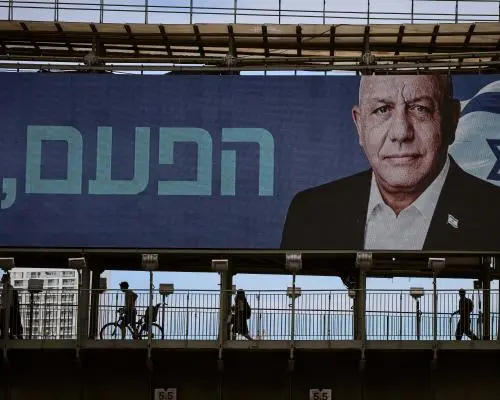
Gadi Eisenkot, a former general, has entered Israel’s political arena as the leading opposition contender against Prime Minister Benjamin Netanyahu. His candidacy emerged amid the nation’s upcoming elections, where voters face a stark contrast between Eisenkot’s rugged demeanor and Netanyahu’s polished image. The former military commander’s appearance and manner have sparked debate about what qualities the electorate seeks in a leader.
Eisenkot’s past as a high‑ranking army officer has shaped his reputation. He served as commander of the elite Sayeret Matkal unit and later as head of the Israeli Defense Forces’ intelligence division. In politics, he positions himself as a pragmatic, security‑focused alternative to Netanyahu’s long tenure. His campaign emphasizes transparency, fiscal responsibility, and a fresh approach to domestic and foreign policy. Despite his military credentials, Eisenkot’s personal style—often described as „crumpled” and „unkempt”—stands in sharp contrast to the polished, charismatic persona of the incumbent prime minister.
Will Voters Prioritize Substance Over Style?
Eisenkot’s candidacy highlights a broader debate over leadership style in Israel’s political landscape. While Netanyahu is known for his media savvy, sharp rhetoric, and slick public appearances, Eisenkot presents a more subdued, straightforward presence. Observers note that his unpolished look, often clad in simple attire, signals a break from traditional political fashion. Critics argue that this could undermine his appeal to a demographic that values polished public image, whereas supporters claim it reflects authenticity and a focus on substance over style.
Security policy remains a central pillar of Eisenkot’s platform. He pledges to maintain a strong defense posture while seeking diplomatic avenues to reduce regional tensions. His military background lends credibility to his proposals on counter‑terrorism and cyber warfare. Economically, he advocates for balanced budgets, reduced public debt, and incentives for tech innovation. Politically, he aims to unite fragmented opposition parties, presenting a cohesive alternative to Netanyahu’s coalition.
The question of whether Israelis will prioritize Eisenkot’s straightforward approach over Netanyahu’s media‑savvy tactics is pivotal. Polls indicate a growing fatigue with Netanyahu’s long rule and a desire for new leadership. However, the electorate remains divided. Some voters value the familiarity and experience that Netanyahu brings, while others are eager for a leader who appears less polished but potentially more honest. The outcome will hinge on how effectively Eisenkot can translate his military experience into relatable, everyday policies.
The Road Ahead
The campaign’s trajectory will also depend on Eisenkot’s ability to navigate media scrutiny. While his unrefined appearance may attract media attention, it also risks alienating more conservative voters accustomed to traditional political decorum. His campaign team has emphasized that his focus is on policy rather than image, arguing that voters should evaluate him on his proposals rather than his wardrobe.
Eisenkot’s candidacy could reshape Israel’s political discourse. If successful, he may herald a shift toward leaders who prioritize policy over performance. Conversely, a defeat could reinforce the status quo, keeping Netanyahu’s influence intact. The election’s outcome will reverberate across domestic policy, security strategy, and Israel’s international relations. The nation watches closely as Eisenkot’s unpolished persona challenges the polished norms of Israeli politics.
What is Gadi Eisenkot’s background? Eisenkot is a former Israeli Defense Forces general, having commanded elite units and served as head of military intelligence. He entered politics as the opposition’s leading candidate against Netanyahu.
Frequently Asked Questions
How does Eisenkot’s campaign differ from Netanyahu’s? Eisenkot focuses on security, fiscal responsibility, and a unified opposition, presenting a straightforward, unpolished image. Netanyahu emphasizes media presence, charismatic rhetoric, and a long‑standing coalition strategy.
What are the main concerns of voters regarding Eisenkot? Voters worry whether his unpolished style will translate into effective leadership and whether he can unite diverse opposition factions while maintaining a strong security stance.