Far-Right Party Secures Historic Northeast Victory
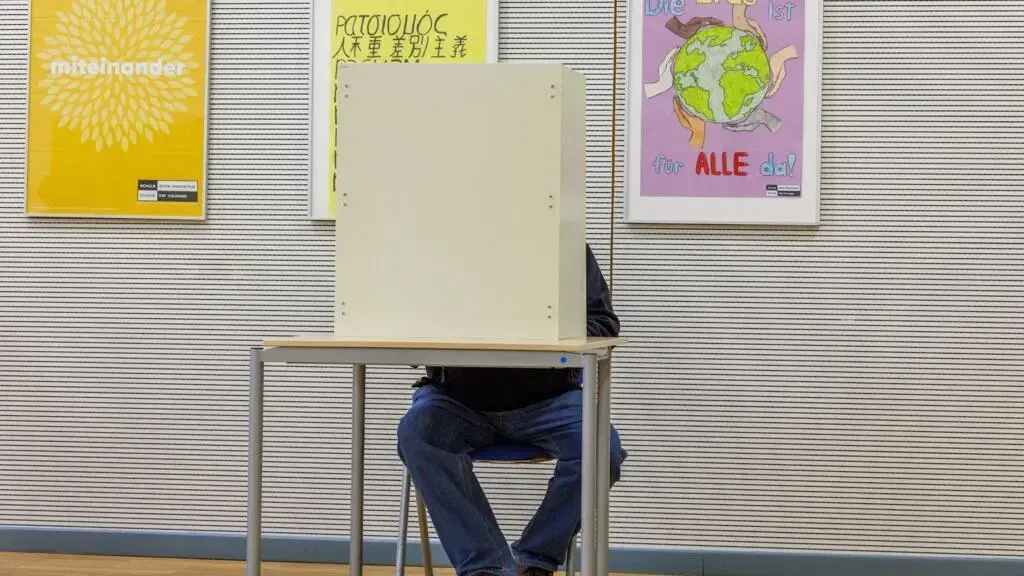
Voters in two German states delivered a stinging defeat to the ruling Christian Democratic Union during Sunday regional elections. Chancellor Friedrich Merz quickly labeled the outcome an absolute disaster for his administration. The ballot box results highlighted growing political shifts across the nation, particularly in the country's northeastern region.
The voting outcome exposed deep frustrations among the electorate regarding current federal policies. Political analysts point to economic pressures and immigration concerns as primary drivers behind the voter rebellion. Both regional contests served as crucial barometers for the ruling coalition's popularity midway through the current legislative term.
In Mecklenburg-Western Pomerania, the right-wing Alternative for Germany movement captured the largest share of the vote. This breakthrough established the party as the dominant political force in that specific state legislature. Traditional parties now face difficult coalition math to form stable regional governments without mainstream compromise.
Can Traditional Parties Reclaim Disillusioned Voters?
Chancellor Merz addressed party members immediately following the projections, admitting the severe nature of the setback. Regional leaders within the Christian Democratic Union echoed his concerns, calling for urgent introspection on national issues. The opposition camp capitalized heavily on public dissatisfaction during the short campaign window.
Mainstream political strategists are now scrambling to address the grievances that fueled the populist surge. Rebuilding trust in federal leadership requires visible changes in economic support and regional investment. Failure to adapt could lead to further losses in upcoming state ballots across other parts of the country.
Frequently Asked Questions
The broader implications for the federal government remain precarious as coalition partners debate their next strategic steps. Observers expect heightened political tension in Berlin as the administration attempts to regain public confidence. The road ahead demands careful policy adjustments to stem the steady flow of voters toward anti-establishment alternatives.
What caused the defeat for the ruling Christian Democratic Union? Voters expressed strong dissatisfaction with federal policies, driven largely by economic worries and immigration concerns. These mounting frustrations translated into significant support for populist and opposition alternatives.
Which party won the election in Mecklenburg-Western Pomerania? The far-right Alternative for Germany secured the most votes in this northeastern state. This victory marked a major milestone for the movement in regional governance.