Colonial Legacy of Dispossession
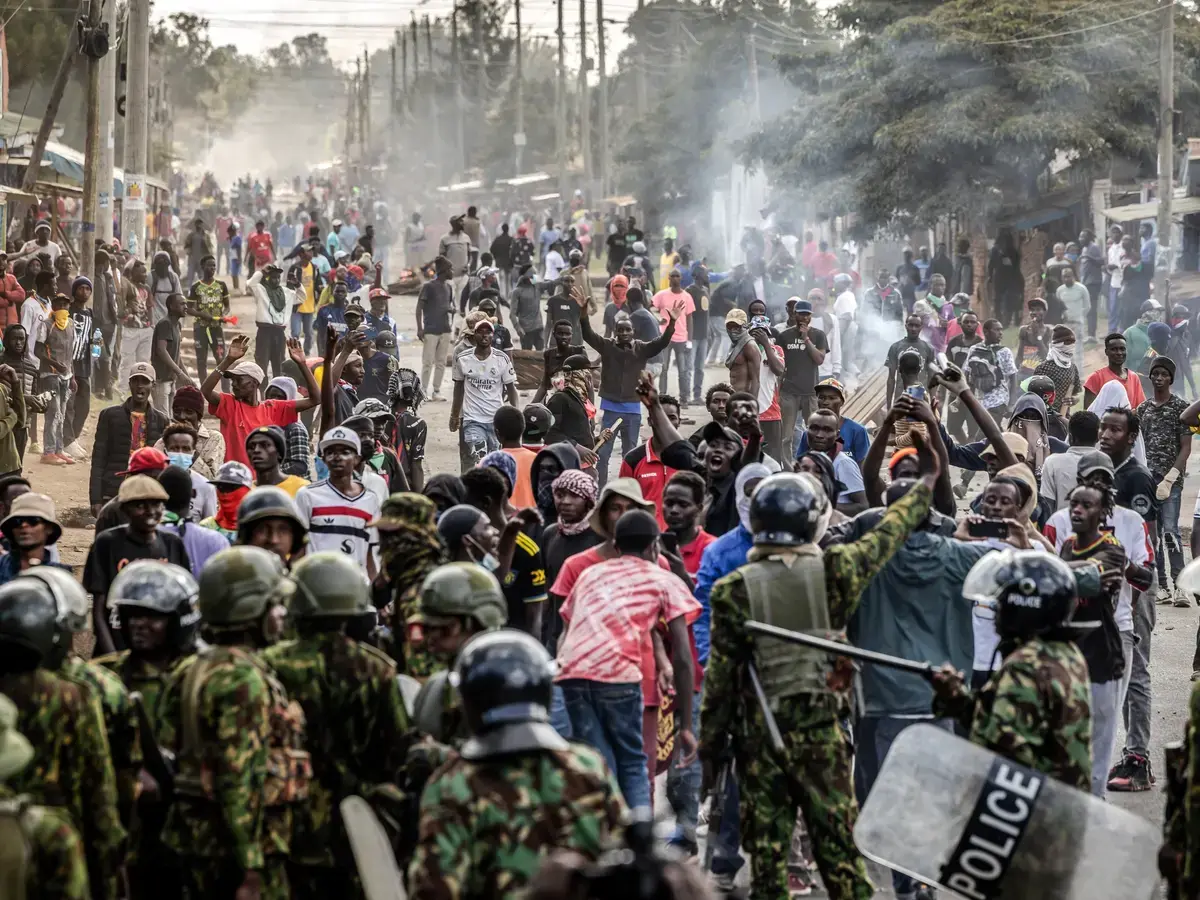
Protests have erupted in Laikipia, Kenya, over a US-funded Ebola quarantine centre, sparking concerns about land ownership and sovereignty. The centre, located in the midst of a disputed land, has become a focal point for local communities' long-standing grievances.
Tensions have been simmering in Laikipia for years, with local residents accusing the government of failing to address historical injustices and protect their land rights. The recent arrival of the US Ebola centre has reignited these tensions, with many viewing it as a symbol of foreign interference and a threat to their way of life.
Who Owns the Land?
Laikipia's history is marked by the displacement of indigenous communities by colonial powers. In the early 20th century, British colonialists forcibly removed local people from their land to make way for white settlers. This legacy of dispossession continues to shape the region's politics and social dynamics.
What's the Cost of Progress?
„We were forced off our land by the British,”says a local elder. „Now, foreign powers are coming in and taking over again. It's like history is repeating itself.”The elder's words reflect the deep-seated anger and resentment felt by many in Laikipia.
Frequently Asked Questions
The US Ebola centre is situated on a plot of land that has been at the centre of a long-standing dispute. Local residents claim that the land was grabbed by government officials and wealthy elites, while the government maintains that it was purchased through fair means. The controversy has raised questions about the ownership and control of land in Laikipia.
The construction of the US Ebola centre has brought in much-needed jobs and infrastructure to the region. However, many locals are concerned that the centre's presence will lead to further displacement and marginalization. As one resident puts it, „We don't want to be seen as a place for foreigners to come and treat their diseases. We want to be seen as a place where our own people can live and thrive.”The protests in Laikipia highlight the complex and often fraught relationship between local communities and foreign powers. As the US Ebola centre continues to operate, it remains to be seen whether the government will address the underlying concerns of the local people or simply push forward with its development plans.