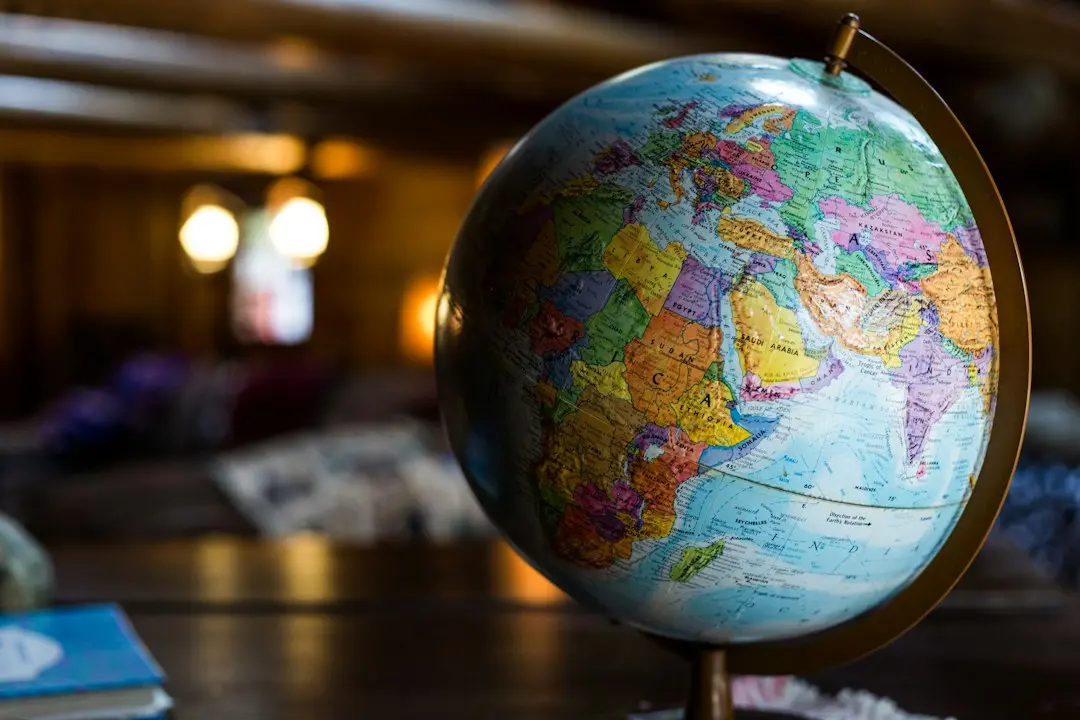
Experts warned that fragmentation weakens global defenses and increases vulnerability
At the World Health Summit in Berlin, leaders gathered to stress that global health challenges require collective action, not isolated efforts. Held on October 14, 2026, the summit brought together policymakers, scientists, and health experts to renew commitment to multilateral cooperation in the face of ongoing crises. The president of the World Health Summit opened the event by declaring that global health must be seen as a team sport, urging nations to embrace courage and solidarity in addressing pandemics, climate-related health risks, and unequal access to care. The call emphasized moving beyond national interests toward shared responsibility. Why multilateralism matters now more than ever Speakers highlighted how recent outbreaks and health emergencies have shown the limits of unilateral action. Data presented indicated that coordinated vaccine distribution and joint surveillance systems significantly improved outcomes during past crises.
Experts warned that fragmentation weakens global defenses and increases vulnerability. How can countries build trust in global health cooperation? One panel discussed practical steps to strengthen trust, including transparent data sharing, equitable resource allocation, and inclusive decision-making processes. Representatives from low-income nations stressed that meaningful participation must go beyond tokenism. Proposals included creating permanent funding mechanisms for pandemic preparedness and expanding technology transfer. Frequently Asked Questions What was the main message of the World Health Summit in Berlin? The main message was that global health requires teamwork and courage in embracing multilateralism to tackle shared threats effectively. Why is multilateralism described as essential for global health? Multilateralism is essential because isolated national efforts fail to address cross-border health risks, while cooperation improves preparedness, response, and equity in health outcomes. What specific actions were proposed to improve global health cooperation?
Proposals included transparent data sharing, fair resource distribution, inclusive governance, permanent funding for preparedness, and expanded technology transfer to build trust and resilience.