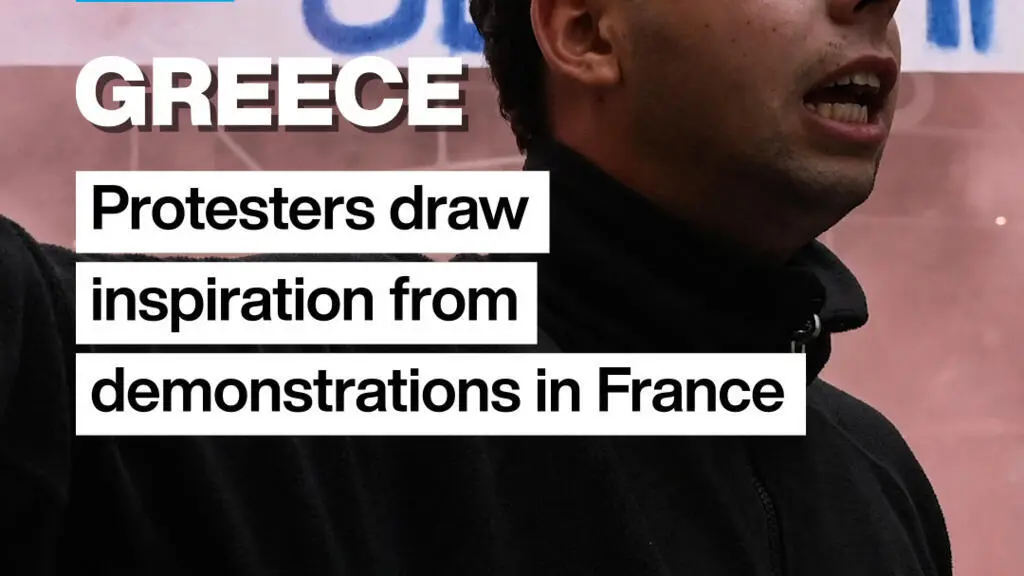
Student Activism Mirrors European Trend
Thousands of Greek students took to the streets in Athens and other major cities, drawing direct inspiration from recent demonstrations in France. The movement reflects a growing wave of student activism across Europe. Young protesters demanded better funding for higher education and lower tuition fees. Police managed the crowds as chants echoed through university campuses. The event marked one of the largest student gatherings in years. Participants carried signs criticizing government austerity measures that affect academic institutions.
The protests were fueled by frustration over rising costs and perceived cuts to public services. Students cited the successful mobilization in France as a model for their own actions. Organizers coordinated via social media to maximize turnout quickly. The atmosphere remained peaceful but intense throughout the day. Key demands included increased budgets for universities and improved working conditions for academic staff. Many attendees noted that the French experience gave them confidence that sustained pressure could yield results.
The Greek demonstration fits into a broader pattern of youth-led movements across the continent. In France, students previously challenged pension reforms and economic policies with significant success. This cross-border solidarity highlights shared concerns about inflation and public spending. Greek leaders acknowledged the scale of the protest but promised a review of the education budget. University rectors joined the students, adding weight to the collective voice. The visual similarity to French banners and slogans was unmistakable.
Can Cross-Border Solidarity Change Policy?
Observers noted that the timing coincided with new fiscal year planning. This made the moment crucial for negotiating future resource allocation. Student unions reported high participation rates, particularly among first-year undergraduates. The energy on the ground suggested a shift in political engagement among young Greeks. Media coverage amplified the message, reaching audiences beyond the immediate participants. The connection to French events provided a narrative framework that resonated widely.
The effectiveness of such protests depends on sustained pressure and political response. Greek authorities have historically been slow to adjust education spending during economic downturns. However, the visible strength of the student coalition presents a new challenge. Negotiations between student representatives and ministry officials are expected to begin soon. The outcome will determine whether the inspiration from France translates into tangible Greek policy changes. For now, the streets remain a central stage for this ongoing debate.
The movement signals a potential long-term shift in how young Greeks engage with state institutions. If demands are met, the protest may serve as a template for future actions. Conversely, a lack of progress could fuel further unrest. The government faces a decision point that balances fiscal caution with public satisfaction. The echoes of French chants in Greek squares symbolize a united European youth front. The next few weeks will reveal if this momentum leads to concrete legislative adjustments or remains a symbolic victory.
Frequently Asked Questions
Did the Greek protests directly copy the French agenda? No, while inspired by the French mobilization, Greek students focused specifically on local education funding issues. The French example served as a tactical and motivational reference rather than a direct policy import.
How large was the turnout in Athens? Thousands of students participated in the main demonstrations. Exact numbers vary by estimate, but organizers described the crowd as one of the largest in recent history for this demographic.
What is the primary demand of the protesters? The core demand is for increased government funding for higher education. Protesters also seek lower tuition fees and better salaries for university staff to improve overall academic quality.