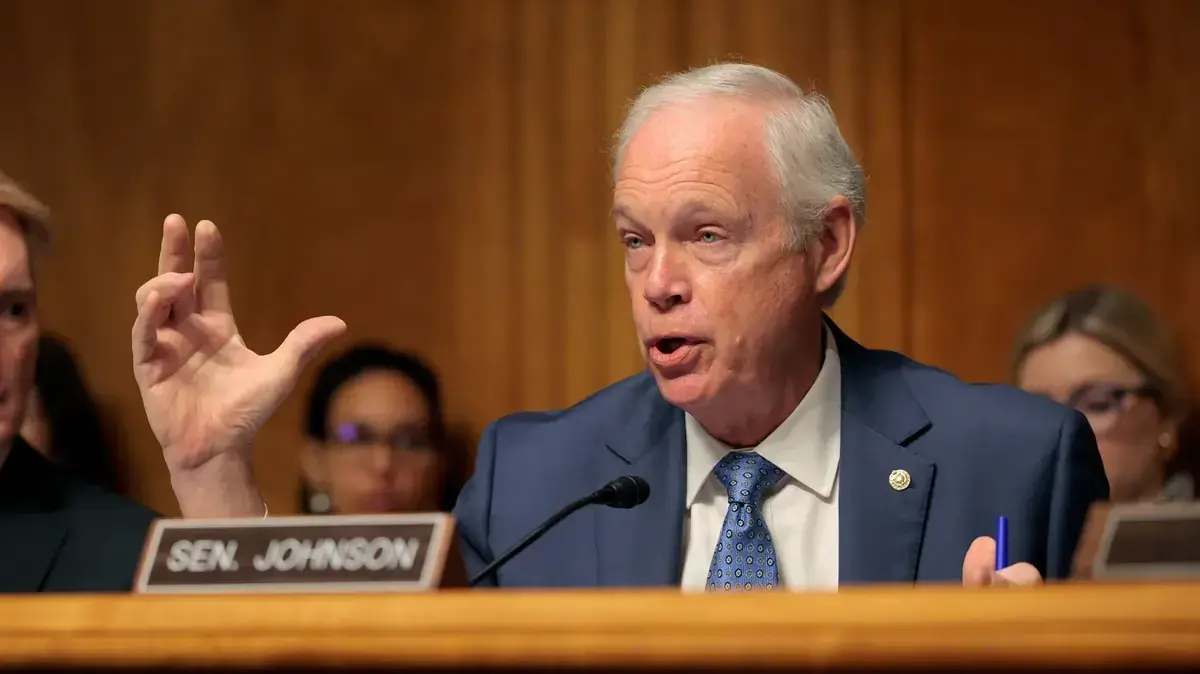
New Leadership Takes the Helm
A significant shift in power is underway in the Senate. Hardline conservative members are now leading crucial committees. This development gives them considerable influence over legislative processes. It marks a notable change in the balance of power within the Republican caucus.
These senators, often at odds with their party's mainstream leadership, now hold powerful positions. Their new roles include the ability to convene hearings, push forward new laws, and even issue subpoenas. This grants them substantial authority to shape the national agenda.
What Does This Mean for Legislation?
Senator Ron Johnson, a Republican from Wisconsin, will now chair the Budget Committee. This appointment was confirmed by Senate Republicans. The Budget Committee plays a vital role in setting federal spending priorities.
This move gives Senator Johnson a powerful platform. He can now directly influence fiscal policy debates. His leadership could lead to more conservative approaches to government spending.
# What is the significance of a committee chair?
The elevation of these conservative voices could significantly impact future legislation. Bills related to the budget, for example, will now pass through a committee led by a senator known for his firm stance on fiscal issues. This might lead to more contentious debates and potentially different legislative outcomes.
# How do these appointments affect the Republican Party?
These new committee chairs can also use their positions to investigate various issues. The power to issue subpoenas is a potent tool. It allows them to demand information and testimony from individuals and organizations. This could lead to increased scrutiny of government agencies and policies.
A committee chair controls the committee's agenda. They decide which bills are considered and which hearings are held. This gives them immense power to shape policy and oversight.
# Can these chairs block legislation?
These appointments could empower the conservative wing of the Republican Party. It might lead to more internal party debates and potentially shift the party's overall legislative strategy.
Yes, a committee chair can effectively block legislation by refusing to bring it up for a vote. This power allows them to prevent bills they oppose from advancing to the full Senate.