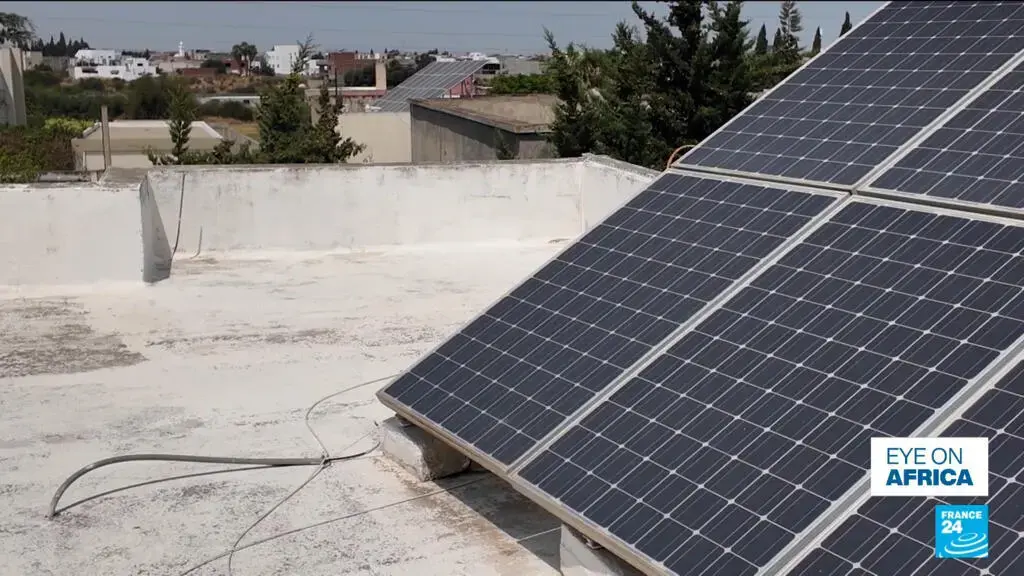
Power Grid Strains Under Scorching Temperatures
Tunisia’s power grid is under severe strain as a scorching summer heatwave drives electricity demand beyond capacity. After weeks of intermittent outages, the government announced nationwide rolling blackouts starting Monday, affecting households, businesses, and hospitals across the country. The measure aims to prevent a total system collapse during the peak of the heat spell.
The surge in temperature has pushed consumption to historic highs, while aging power plants struggle to keep pace. Limited fuel imports and delayed maintenance have left the grid vulnerable, prompting authorities to ration supply in hourly blocks. Officials say the blackout schedule will rotate every two hours, giving each region a brief window of electricity before the next cut.
Meteorological data shows daytime temperatures regularly exceeding 40 °C (104 °F) in the capital, Tunis, and inland regions. Such extreme heat forces air‑conditioning units to run continuously, spiking load on an already overstretched network. The national utility, Société Tunisienne d’Électricité et de Gaz, reported that generation capacity is operating at roughly 70 % of its peak potential. „We are confronting an unprecedented mismatch between supply and demand,” said utility director Ahmed Ben‑Mansour. He warned that without immediate relief, the grid could suffer irreversible damage, leading to longer outages.
Can Tunisia Stabilize Supply Before Summer Peaks?
Experts argue that short‑term relief hinges on emergency fuel shipments and accelerated repairs of key thermal stations. The Ministry of Energy has appealed to regional partners for diesel and natural gas deliveries, while also fast‑tracking renewable projects that could offset peak loads. However, analysts caution that infrastructure upgrades require months, not weeks, and that the current blackout plan may only buy time. „The real test will be whether Tunisia can diversify its energy mix before the next heatwave,” noted university researcher Leila Saïd.
The rolling blackouts are expected to disrupt daily life, hinder economic activity, and strain health services that rely on climate‑controlled environments. Schools have shifted to evening classes, and businesses report losses in the millions of dinars. The government pledges to review the schedule daily, hoping to shorten interruptions as supply improves. Long‑term, officials emphasize the need for investment in solar and wind capacity to reduce reliance on imported fuels and to build resilience against future climate extremes.
Frequently Asked Questions
Why are rolling blackouts necessary now? The grid cannot meet the sudden surge in electricity use caused by extreme heat, and without rationing, a full collapse could occur.
What measures are being taken to restore power? Authorities are securing emergency fuel imports, accelerating repairs on key plants, and fast‑tracking renewable energy projects to increase capacity.
How will the blackouts affect vulnerable populations? Hospitals receive priority power, but patients in remote areas may face limited cooling, increasing health risks, especially for the elderly and those with chronic conditions.