The Legacy of Cold War Surveillance
Modern concerns regarding the suppression of transnational radicalism echo tactics used during the Cold War. Investigative analysis reveals that current government strategies against political dissent mirror methods employed decades ago. These historical precedents suggest that today’s crackdown on opposition figures is not an entirely new development in American political life.
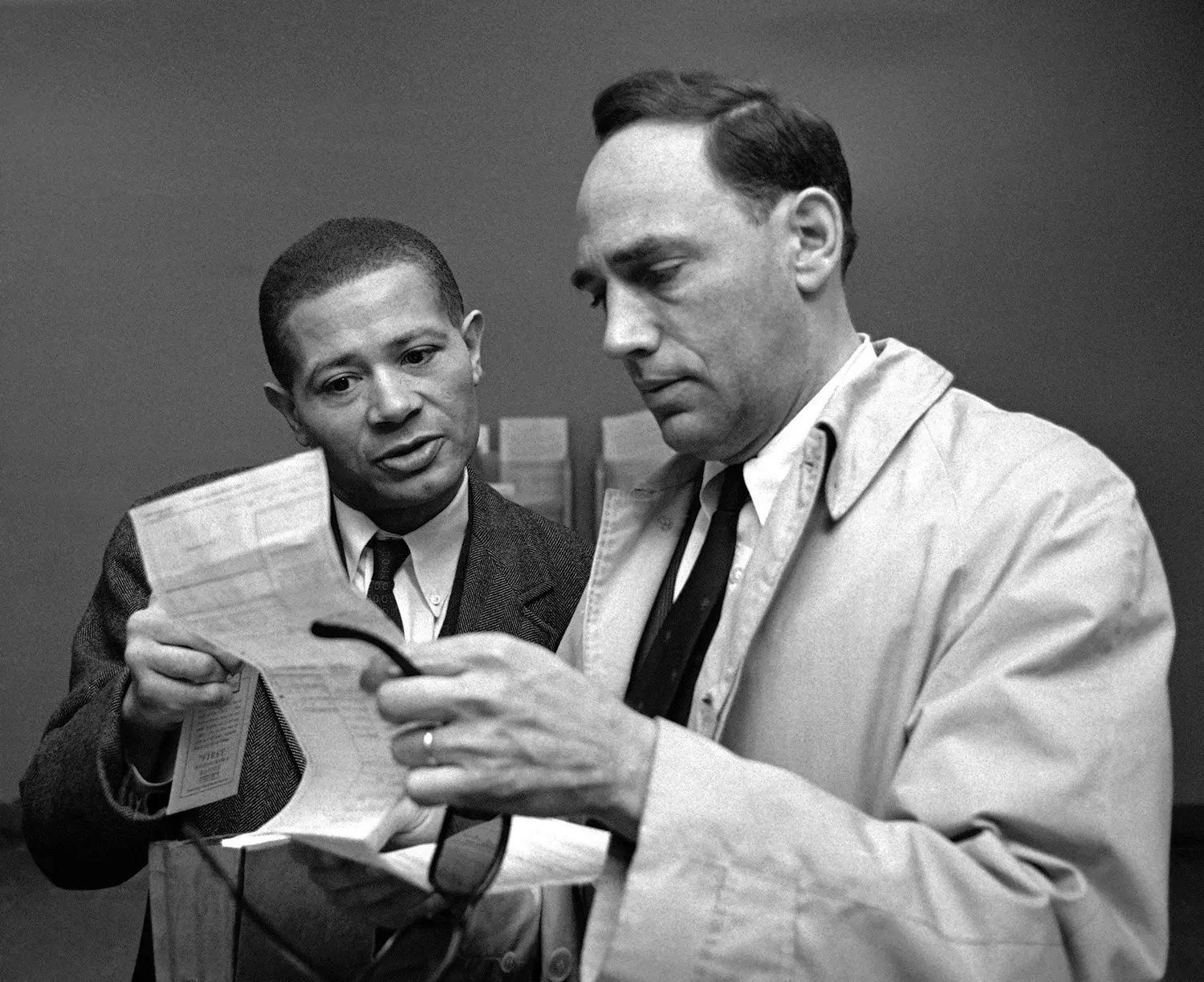
The roots of this trend stretch back to the Kennedy administration. During that era, authorities frequently utilized national security justifications to silence journalists and critics. By framing dissent as a foreign-influenced threat, officials successfully curtailed investigative reporting. This framework established a dangerous blueprint for future administrations to label domestic opposition as inherently radical or subversive.
The tactics used against reporters in the mid-20th century were designed to isolate individuals who challenged the state. Government agencies often accused these figures of acting on behalf of foreign interests to undermine national stability. This rhetorical strategy effectively eroded public support for critical voices. Once the label of radicalism was applied, the accused faced immense difficulty in reclaiming their professional reputations.
Is History Repeating Its Own Mistakes?
The current political climate has revived these defensive mechanisms. Officials now frequently cite transnational threats to justify increased monitoring of political activists. By connecting domestic criticism to global instability, the state creates a narrative where dissent is viewed as a threat to public safety. This transition from political disagreement to security risk represents a significant shift in how the government manages opposition.
The normalization of these surveillance techniques poses a significant risk to democratic norms. When the government dictates the boundaries of acceptable speech through the lens of national security, the public loses its ability to hold leaders accountable. The precedent set during the Kennedy years continues to provide legal and political cover for contemporary crackdowns.
Frequently Asked Questions
As these patterns persist, the space for independent journalism and open debate continues to shrink. The long-term consequence is a political environment where dissent is treated as a crime rather than a fundamental right. Society must now determine if it will allow these historical justifications to dictate the future of political engagement.
What defines the link between past and present dissent crackdowns? The connection lies in the use of national security rhetoric to frame political opposition as foreign-backed radicalism. Both eras utilized this narrative to delegitimize critics and justify state intervention.
Why is this historical context significant for modern politics? Understanding these origins reveals that current restrictions on speech are part of a long-standing pattern. It highlights how quickly democratic values can be compromised when security is prioritized over open discourse.