What specific agreements did Szijjártó negotiate with Chinese firms during his ministerial term?
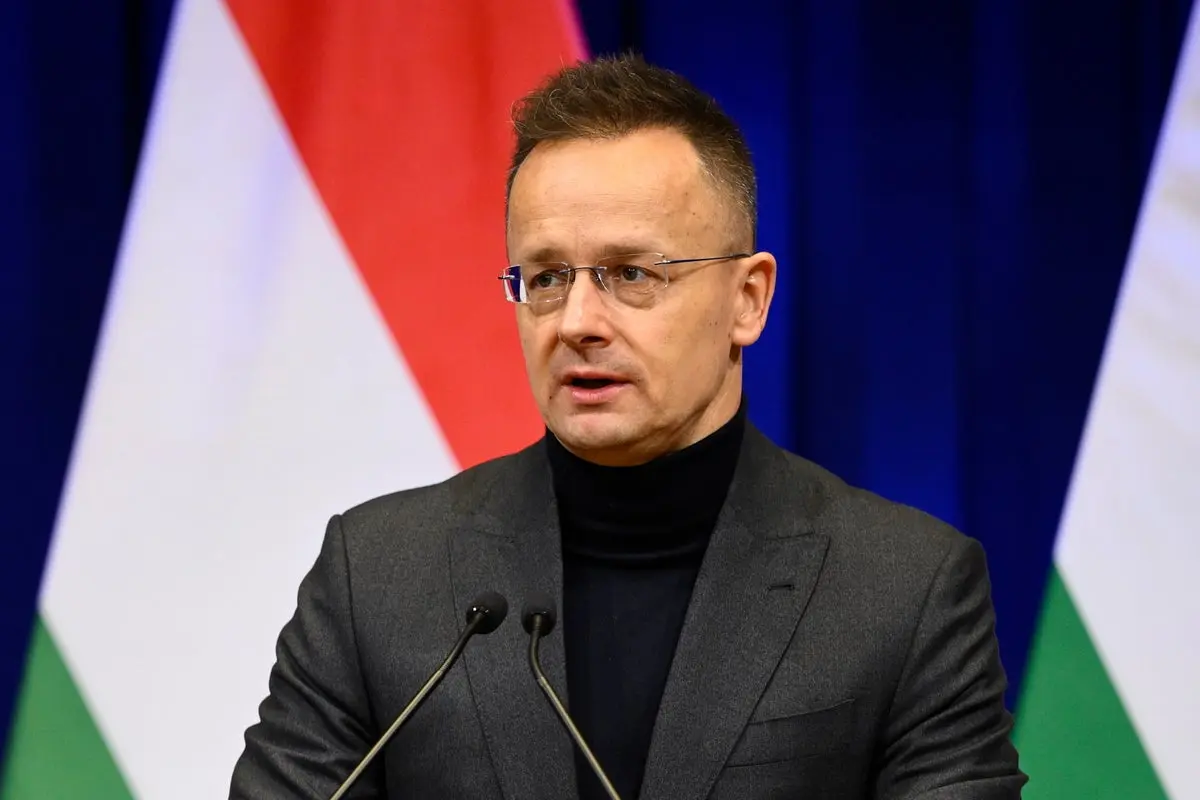
Budapest, Hungary – October 5, 2026 – Péter Szijjártó, who served as Hungary’s foreign minister under Prime Minister Viktor Orbán, appeared before a parliamentary committee on Monday to explain his recent appointment as an advisor to Chinese electric vehicle manufacturer BYD. The session focused on potential conflicts of interest arising from his transition from diplomatic service to a corporate role with a foreign company operating in Hungary.
Szijjártó joined BYD in September 2026, shortly after leaving office, prompting concerns among opposition lawmakers about the timing and nature of his new position. Committee members questioned whether his prior influence in shaping Hungary’s foreign investment policies, particularly those encouraging Chinese industrial expansion, could create unfair advantages for the automaker. Szijjártó defended his move, stating that his expertise in international relations and trade negotiations would help BYD navigate European regulatory frameworks more effectively. He emphasized that all his activities comply with Hungarian ethics laws and that he received no preferential treatment during his tenure as minister.
How is Hungary balancing economic ties with China amid EU scrutiny?
During his time as foreign minister from 2018 to 2026, Szijjártó played a central role in attracting Chinese investment to Hungary, including facilitating BYD’s decision to build a $1 billion electric vehicle factory near Szeged in 2023. He frequently highlighted Hungary’s strategic position as a gateway for Chinese goods into Europe and praised Beijing’s growing economic partnership with Budapest. Critics argue that these efforts laid the groundwork for his current role, suggesting a pattern of rewarding foreign corporations with political access that later benefits former officials. Szijjártó denied any quid pro quo, insisting that his actions were solely aimed at boosting Hungary’s economy and creating jobs.
Hungary has maintained closer economic ties with China than most EU member states, often resisting bloc-wide criticism of Beijing’s trade practices and human rights record. This stance has drawn concern from Brussels, particularly as the EU seeks to reduce dependency on Chinese supply chains and scrutinize foreign state-linked investments. BYD’s expansion in Hungary, supported by state subsidies and infrastructure upgrades, exemplifies this dynamic. While Orbán’s government continues to welcome Chinese capital, the parliamentary inquiry into Szijjártó’s move reflects growing domestic unease about the transparency of such transitions and whether they undermine public trust in governance.
Did Péter Szijjártó violate any ethics rules by joining BYD after leaving office? Hungarian law requires a one-year cooling-off period for former ministers before taking lobbying roles, but advisory positions like Szijjártó’s are not explicitly prohibited. The parliamentary committee is reviewing whether his specific duties constitute lobbying under current regulations.
Frequently Asked Questions
Will BYD’s factory in Szeged proceed despite the controversy? Construction of the BYD plant near Szeged remains on schedule, with production expected to begin in 2027. Government officials have stated that the project’s economic benefits outweigh concerns about individual appointments.
Could this case lead to stricter post-office employment rules for Hungarian officials? Several opposition parties have called for reforms to close loopholes in the ethics law, arguing that the Szijjártó case highlights the need for clearer restrictions on former ministers joining foreign companies they previously engaged with diplomatically.