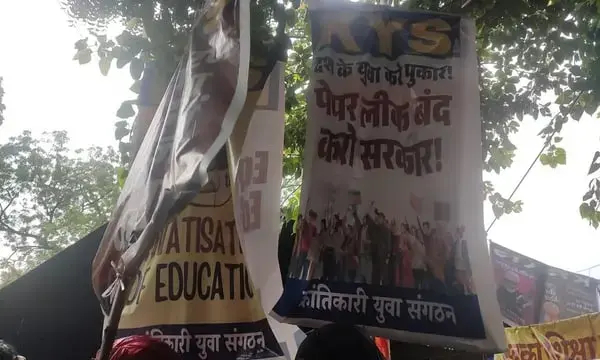
How Digital Activism Forced Government Concessions
Across India, young people have recently spearheaded a wave of protests. These demonstrations effectively turned online dissatisfaction into real-world political action. Their efforts have led to significant government concessions and a re-evaluation of democratic institutions.
These youth-led movements represent a powerful shift in how dissent can influence governance. They show a growing demand for accountability from centralized power structures. The protests highlight the evolving role of digital platforms in mobilizing large-scale civic engagement.
The protests began largely through online organizing and digital communication. Young activists used social media to share grievances and coordinate demonstrations. This digital groundwork allowed for rapid mobilization across diverse regions. The sheer scale and persistence of these protests put immense pressure on authorities. This pressure ultimately compelled the government to make concessions that were previously unthinkable. It marked a new era of youth influence on national policy.
What Does This Mean for India's Centralized Governance?
The impact of these youth protests extends beyond specific policy changes. They have initiated a broader discussion about the nature of India's centralized governance. The movements challenged the traditional top-down approach to decision-making. They underscored the importance of listening to diverse voices, especially those of the younger generation. This period of reflection could lead to more inclusive and responsive governance models in the future.
The protests have demonstrated the power of organized youth to demand change. They have set a precedent for future civic action and accountability. This could reshape the relationship between citizens and the state in India.
Frequently Asked Questions
What was the main outcome of these youth protests? The protests led to unprecedented political concessions from the government. They also sparked a significant reflection on India's democratic institutions and centralized governance.
How did digital platforms contribute to the protests? Digital platforms were crucial for organizing and mobilizing young people. They allowed for the rapid spread of information and coordination of demonstrations across the country.
What is the long-term significance of these movements? These protests signify a shift towards greater youth involvement in politics and a demand for accountability. They could lead to more inclusive governance and a re-evaluation of centralized power in India.