Middle East Tensions Dominate Diplomatic Agenda
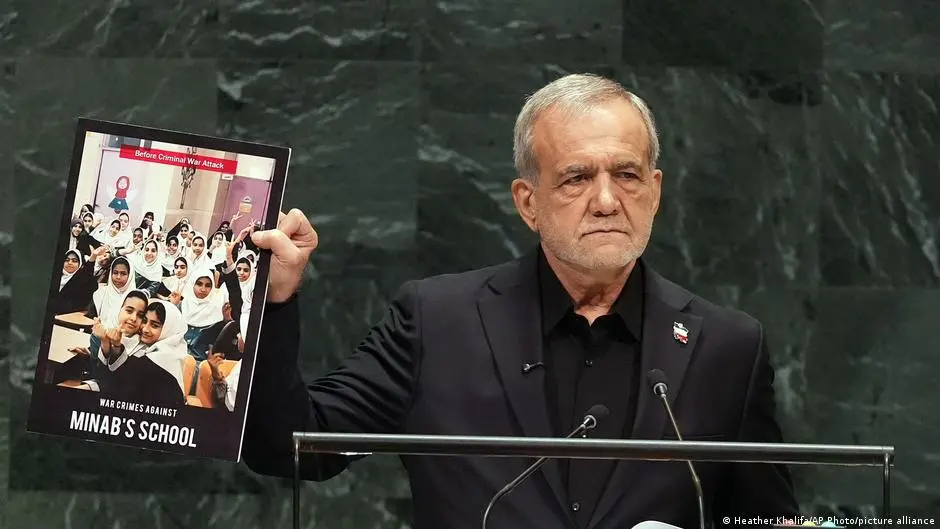
World leaders gathered in New York for the second day of the United Nations General Assembly on September 22, 2026. The presidents of Iran and Syria took the podium early in the session. Their speeches set a tense tone for the ongoing discussions. The focus remained heavily on escalating regional conflicts and the rapid rise of artificial intelligence. Delegates from over 190 member states attended the plenary meeting. The atmosphere was charged with diplomatic maneuvering and public posturing. Key figures addressed the assembly floor directly. They outlined their nations' stances on critical global challenges. The event marked a significant moment in multilateral diplomacy.
The Middle East wars were the central theme of the day's proceedings. Iranian President Masoud Pezeshkian spoke about the need for regional stability. He emphasized the importance of dialogue over confrontation. Syrian President Ahmed al-Sharaa followed with a similar message. Both leaders highlighted the economic strain caused by prolonged conflict. They called for increased international support for reconstruction efforts. The speeches underscored the fragility of peace in the region. Delegates listened intently to the nuanced diplomatic language. Many observers noted the shift in rhetorical tone compared to previous years. The focus on practical aid gained traction among Western delegations.
Can AI Governance Bridge Global Divisions?
Artificial intelligence emerged as the second major pillar of debate. Leaders discussed the urgent need for global standards. They debated how to regulate advanced algorithms without stifling innovation. The assembly explored frameworks for responsible AI development. Concerns over data privacy and algorithmic bias were prominent. Several nations proposed joint initiatives to monitor AI deployment. The discussion revealed deep divisions between tech giants and smaller economies. Wealthier nations advocated for flexible guidelines. Developing countries pushed for stronger safety protocols. This divide highlighted the complex nature of digital governance.
The outcomes of these sessions will shape future policy directions. The emphasis on both war and technology signals a dual-front challenge. Nations must balance immediate security needs with long-term technological integration. The coming weeks will see follow-up negotiations in specialized committees. Diplomats aim to translate high-level rhetoric into actionable treaties. The world watches closely as these two critical issues converge. Success depends on finding common ground amidst competing interests. The stage is set for intense bilateral talks in the days ahead.
Frequently Asked Questions
Which countries spoke first on Day 2? The presidents of Iran and Syria were the initial speakers. They addressed the assembly before other major powers took the floor.
What are the main topics being discussed? Delegates are focusing on Middle East conflicts and artificial intelligence regulation. These two areas represent the most pressing global concerns currently.