Military Activity Raises Concerns Over Regional Stability
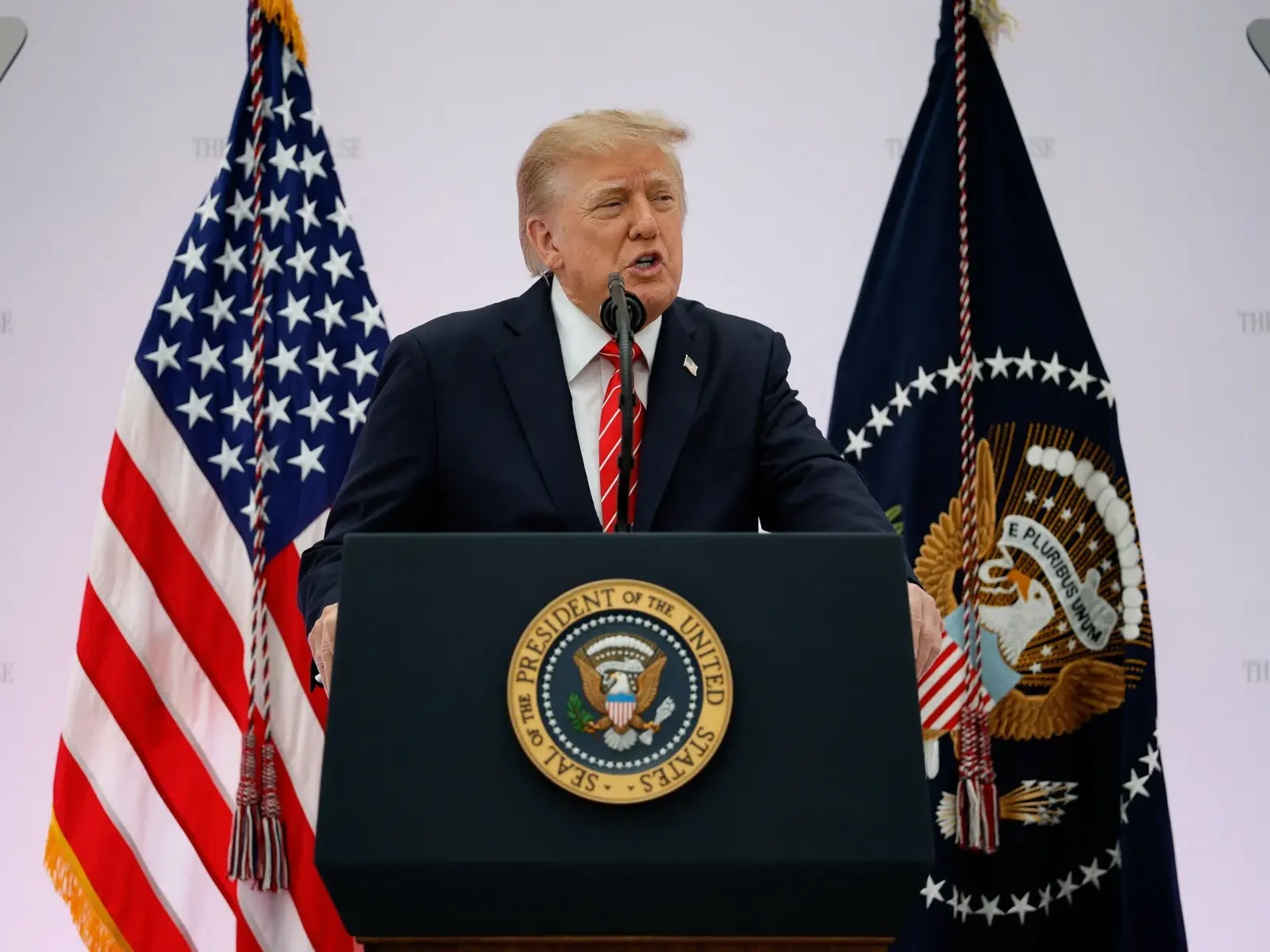
Iranian state media reported massive explosions in the southern Strait of Hormuz on Tuesday, citing unnamed military sources. The Fars News Agency said the blasts occurred near Qeshm Island, a strategic chokepoint for global oil shipments. The report emerged as former U. S. President Donald Trump reiterated that the United States would not launch military strikes against Iran before the November midterm elections. No independent verification of the explosions has been confirmed by regional authorities or international monitors. The Strait of Hormuz remains one of the world’s most critical maritime routes, with about 20% of global oil trade passing through its waters. Tensions in the area have flared repeatedly over the past decade due to regional rivalries and sanctions disputes.
Iranian officials have not provided further details about the nature or cause of the explosions, leaving room for speculation about possible sabotage, accidental detonations, or military drills. Maritime security analysts noted that any unexplained blast in the strait could disrupt shipping lanes and trigger insurance premium hikes for tankers. The U. S. Central Command has not issued any statement regarding the incident, maintaining its usual policy of not confirming or denying operational details in the region. Iran’s Islamic Revolutionary Guard Corps frequently conducts exercises in the area, sometimes involving live-fire drills near commercial routes. Past incidents, including mine attacks and drone strikes, have heightened fears of unintended escalation between Iran and Western powers. The lack of transparency from all sides complicates efforts to assess the true risk to civilian vessels.
How Might This Affect Global Oil Markets?
Traders reacted cautiously to the reports, with Brent crude prices showing slight volatility but no major spike as of Wednesday morning. Analysts said markets have grown accustomed to periodic tensions in the strait, often pricing in risk premiums only after confirmed disruptions to flow. Saudi Arabia and the UAE have increased spare production capacity in recent years, potentially buffering supply shocks. Still, any prolonged closure or threat perception could accelerate efforts to diversify export routes, such as increased use of the Baku-Tbilisi-Ceyhan pipeline. Long-term dependence on the strait remains high, particularly for Asian importers like China, Japan, and South Korea, which rely heavily on Gulf oil. Energy ministers from consumer nations have urged restraint and called for renewed diplomatic engagement to prevent miscalculation.
What caused the explosions in the Strait of Hormuz? Iranian media cited unnamed military sources but did not specify whether the blasts were accidental, intentional, or part of a drill. No external party has claimed responsibility or provided evidence.
Frequently Asked Questions
Is there any confirmation of damage to ships or infrastructure? No reports of vessel damage, casualties, or port disruptions have emerged from shipping agencies, port authorities, or satellite monitoring groups as of this writing.
How does this incident compare to past events in the region? Similar unexplained explosions have occurred before, including the 2019 tanker attacks that the U. S. blamed on Iran. Unlike those events, no clear evidence has linked this incident to any specific actor so far.