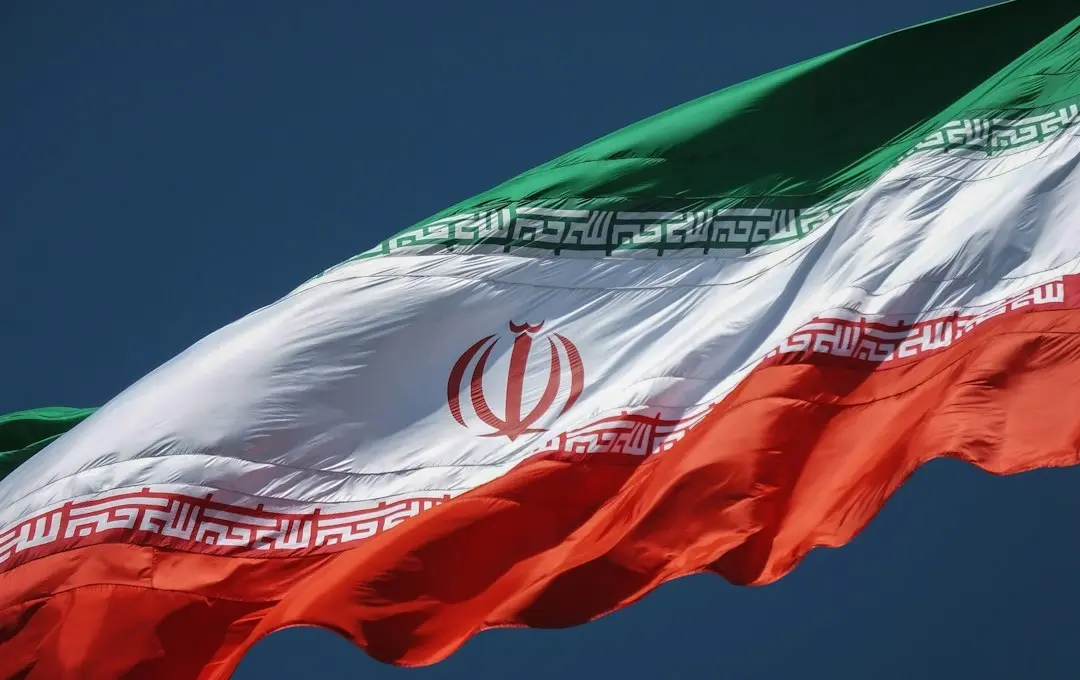
US‑Israel Alliance: A Catalyst for Regional Fragmentation
Iranian President Pezeshkian delivered a speech on Tuesday at the United Nations General Assembly in New York, warning that the United States and Israel are deliberately sowing discord among nations. He urged Muslim-majority countries to unite and avoid internal conflicts, emphasizing that external powers seek to divide them. During the address, Pezeshkian criticized the strategic alliance between the United States and Israel, claiming it fuels regional tensions. He argued that their policies push neighboring states into competition rather than cooperation. Pezeshkian highlighted the economic and political costs of such divisions for the Muslim world. He called for a united front against external interference. The president also noted that the current global climate is increasingly polarized. He pointed out that many countries have been drawn into competing alliances that serve foreign interests. Pezeshkian warned that this fragmentation weakens collective bargaining power on the world stage.
He urged leaders to prioritize shared cultural and economic ties over geopolitical rivalries.
Pezeshkian urged Muslim-majority nations to „wake up” and stop fighting each other. He warned that the United States and Israel are actively creating rifts. He cited recent diplomatic moves that favor one side over another, such as security pacts and trade agreements. He called for solidarity against external manipulation, stressing that unity is essential for resisting coercion. The president referenced the UN General Assembly as a platform for collective action. He noted that many countries have been pulled into competing alliances, undermining regional stability. He argued that this undermines shared interests and threatens long‑term development. He urged leaders to focus on common goals rather than external agendas.
Will the Call for Unity Resonate Across the Muslim World?
Some analysts suggest that Pezeshkian’s message may resonate in countries wary of Western influence. Others argue that internal divisions remain deep, rooted in historical and sectarian differences. The effectiveness of his appeal depends on the willingness of leaders to set aside rivalries. The international community watches closely to see whether this rhetoric sparks tangible cooperation. The president also highlighted the role of media in shaping public perception. He warned that misinformation can amplify divisions. He urged governments to promote transparent communication. He emphasized that trust-building requires consistent policy actions.
Final paragraph: If Pezeshkian’s call gains traction, it could reduce external meddling and foster cooperation among Muslim-majority states. However, entrenched interests may resist, and some nations may prioritize national sovereignty over collective action. The situation remains fluid, and the UN stage may become a battleground for competing narratives. The coming months will reveal whether unity can overcome external pressures and whether the US and Israel will adjust their strategies in response.
Why did Pezeshkian criticize the US‑Israel relationship? He believes their alliance fuels regional competition, undermines Muslim unity, and serves Western strategic interests.
What solution does he propose? He calls for Muslim-majority nations to unite, resist external interference, and focus on shared cultural and economic ties.
Frequently Asked Questions
How might this affect UN proceedings? It could shift focus toward regional solidarity, reduce external influence, and encourage more collaborative resolutions.
Will other countries respond to his call? Some may echo his sentiments, while others may remain cautious due to internal politics and external pressures.
What is the potential impact on regional stability? Greater unity could enhance collective bargaining power, but it may also provoke counter‑alliances from rival powers.