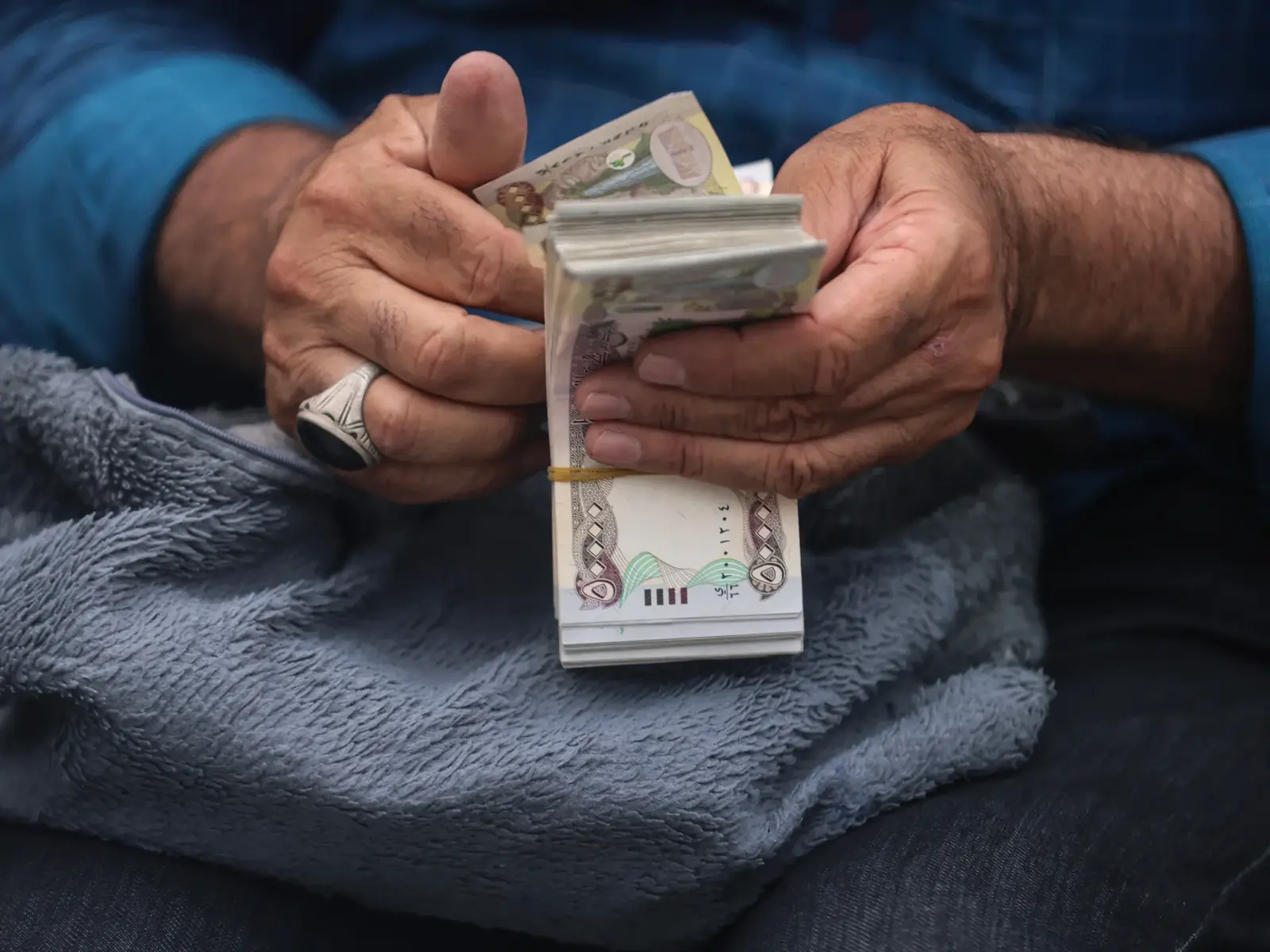
How the devaluation affects daily trade and import costs
Baghdad, Iraq – The Iraqi government has officially devalued the dinar against the US dollar in an effort to alleviate a severe cash shortage that has strained public finances and delayed salary payments for state employees. The move, announced by the Central Bank of Iraq, aims to increase dinar liquidity by making exports more competitive and reducing the pressure on foreign reserves used to cover import costs and government expenditures. While officials argue the adjustment is necessary to stabilize the economy amid declining oil revenues and rising fiscal demands, the decision has sparked immediate concern among merchants and importers who now face higher costs for goods priced in dollars.
Traders in Baghdad’s wholesale markets report that the cost of importing essential goods such as rice, sugar, and pharmaceuticals has jumped by nearly 20 percent since the dinar’s value dropped. Many small businesses, already operating on thin margins, say they are struggling to adjust prices without losing customers. One textile importer in Al-Sadr City explained that he now pays almost 250,000 dinars for what used to cost 200,000, forcing him to either absorb the loss or raise prices in a market where consumers are also feeling the pinch. Economists warn that without corresponding increases in wages or subsidies, the devaluation could fuel inflation and deepen hardship for low-income households already burdened by unemployment and unreliable public services.
What happens if salaries still aren’t paid on time?
Despite the government’s goal of using the weaker dinar to stretch its budget further, many public sector workers continue to report delays in receiving their monthly salaries. Teachers, nurses, and municipal employees in provinces like Basra and Najaf say they have gone weeks without full payment, relying on savings or informal loans to cover basic needs. Union representatives have called for transparency in how the saved funds from the devaluation are being allocated, questioning whether the measure is truly reaching those it intends to help. The Central Bank maintains that the adjustment is part of a broader reform package, but critics argue that without stronger oversight and anti-corruption measures, the benefits may not trickle down to the average citizen.
Why did Iraq devalue its dinar? The government devalued the dinar to increase local currency liquidity and reduce the strain on foreign reserves, aiming to cover salary payments and import costs amid a cash crunch driven by lower oil revenues and rising expenditures.
Frequently Asked Questions
How has the devaluation affected import prices? Import costs for goods like food and medicine have risen significantly, with traders reporting increases of up to 20 percent, as more dinars are now needed to buy the same amount of foreign currency.
Are state employees receiving their salaries on time since the devaluation? Many public sector workers still report delays in salary payments, despite the government’s stated goal of using the devaluation to ease cash shortages and meet payroll obligations.