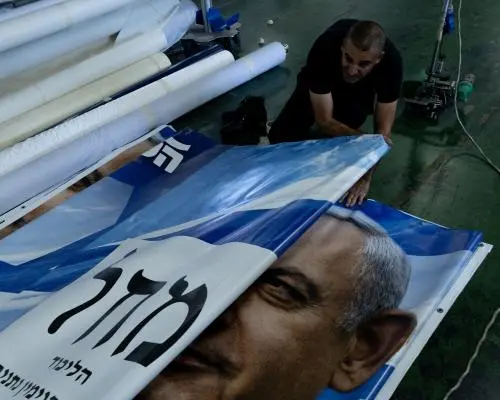
A Coalition Blueprint: Balancing Security and Reform
Israel prepares for a pivotal election on 27 October, with incumbent Prime Minister Benjamin Netanyahu trailing in the polls. Voter fatigue after three years of political turmoil and security setbacks has created an opening for a coalition of opposition parties to potentially seize power. The outcome could reshape Israel’s democratic institutions, its approach to the Palestinian conflict, and its place on the world stage.
Netanyahu’s waning popularity stems from a series of crises: repeated elections, a costly war in Gaza, and growing domestic unrest. Opposition factions—ranging from centrist liberals to right‑wing nationalists—have struggled to reconcile ideological differences, yet recent behind‑the‑scenes talks suggest a possible joint platform. Analysts say a unified front could present a credible alternative, promising reforms in governance, a reset of settlement policies, and renewed diplomatic outreach.
If opposition leaders manage to forge a coalition, their first task will be to overhaul the fragmented political system that has produced four elections in two years. Proposals include tightening party‑list thresholds to curb splinter groups and instituting clearer rules for coalition agreements. Security experts warn that any perceived weakening of Israel’s defense posture could embolden hostile actors, but coalition members argue that a stable government will ultimately enhance deterrence.
Can a New Government Revive the Peace Process?
Economic data shows a slowdown, with unemployment edging up to 7 % and inflation hovering near 5 %. Opposition spokesperson Yael Levy promises targeted fiscal measures, such as tax relief for small businesses and increased funding for high‑tech research, to revive growth. Socially, the coalition pledges to address housing shortages by accelerating construction projects and revising zoning laws.
A central question is whether a fresh administration can restart negotiations with the Palestinians. The opposition’s platform calls for a „conditional freeze” on settlement expansion in exchange for security guarantees from the Palestinian Authority. Critics argue that such a move may be politically risky, given the deep‑seated mistrust on both sides. Nonetheless, former diplomat Amir Cohen notes that „a government not tied to Netanyahu’s hard‑line rhetoric could open diplomatic channels that have been closed for years.”
International observers, including the European Union, have signaled willingness to support any Israeli effort that leads to a two‑state solution, provided it includes concrete steps toward de‑escalation. The coalition’s success will hinge on its ability to balance domestic pressures with external expectations, especially as regional dynamics shift with new alliances forming in the Middle East.
The election’s outcome will determine Israel’s trajectory for the next four years. A decisive opposition victory could restore public confidence, strengthen democratic norms, and lay groundwork for a renewed peace initiative. Conversely, a fragmented parliament may perpetuate instability, eroding both internal cohesion and Israel’s standing abroad.
Frequently Asked Questions
What are the main obstacles to forming an opposition coalition? Ideological divides, especially over settlement policy and security strategy, make consensus difficult. Ongoing negotiations focus on compromises that satisfy both right‑wing and centrist factions.
How might a new government affect Israel’s relationship with the United States? Washington is likely to welcome a government that signals a willingness to engage in peace talks, but it will also demand clear security arrangements to maintain regional stability.
Will the election results impact the Gaza humanitarian situation? A coalition that prioritizes diplomatic engagement could ease the blockade and allow more aid, though any progress depends on cooperation from Hamas and regional actors.