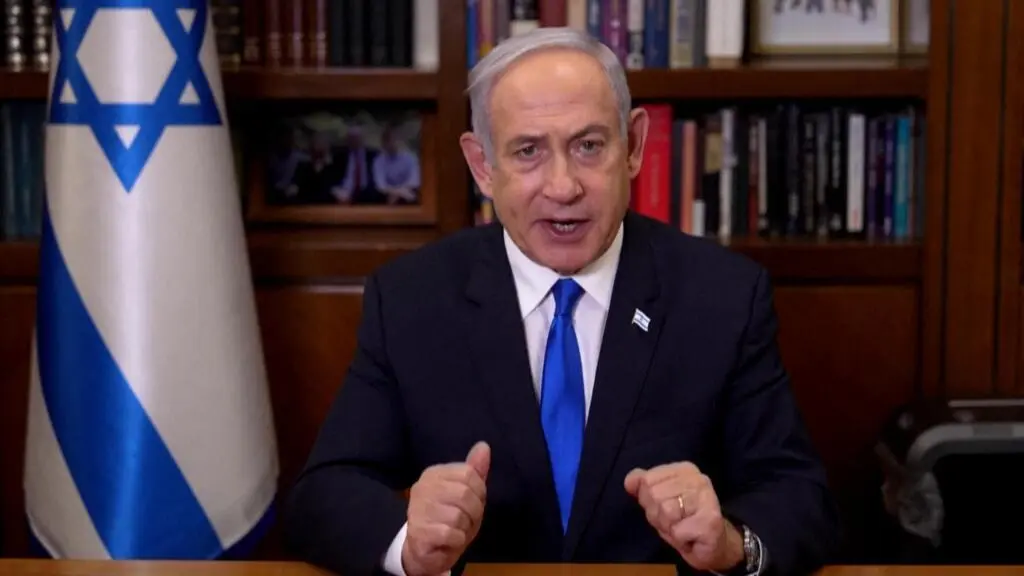
The Polarization of Israeli Governance
Israelis are heading to the polls in a high-stakes election that functions as a national referendum on Benjamin Netanyahu. As the country’s longest-serving leader, Netanyahu faces intense scrutiny after nearly 17 years in power. Voters must decide if his polarizing leadership style remains the right path for the nation’s future.
The current political landscape is deeply divided between loyalists and those seeking a change in governance. Netanyahu has dominated Israeli politics for decades, navigating complex security threats and shifting alliances. His supporters credit him with economic growth and strong defense policies. Conversely, critics argue his tenure has deepened social fractures and weakened democratic institutions.
Netanyahu’s political longevity has turned every election into a personal battle over his character and policies. His legal challenges and controversial judicial reform efforts have fueled significant public protests across the country. Many voters are now casting ballots based on their stance toward his leadership rather than specific party platforms.
Can the Nation Move Past Netanyahu?
The electoral process reflects a broader struggle for the identity of the state. While some view Netanyahu as a necessary protector, others see his influence as a threat to national stability. This tension has resulted in a series of inconclusive elections, forcing the country into repeated cycles of campaigning.
The outcome of this vote will determine whether Israel continues under his guidance or pivots toward a new political coalition. A loss would signal a historic shift, potentially ending an era that defined modern Israeli politics. Alternatively, a victory would solidify his grip on power despite widespread opposition.
The consequences of this election extend far beyond the parliament. A change in leadership could alter Israel’s approach to regional security and internal civil rights. The international community is watching closely, as the results will dictate the country’s diplomatic trajectory for years to come.
Frequently Asked Questions
Why is this election considered a referendum on Netanyahu? The election centers on his long-standing leadership and the public's opinion of his recent political actions. Voters are essentially choosing between his continued tenure or a transition to new leadership.
What are the main arguments against his leadership? Critics frequently cite his ongoing legal issues and controversial attempts to reform the judiciary. Many argue that his policies have caused deep divisions within Israeli society.
How long has Benjamin Netanyahu been in power? He has served as prime minister for nearly 17 years in total. His tenure is the longest of any leader in the history of the state of Israel.