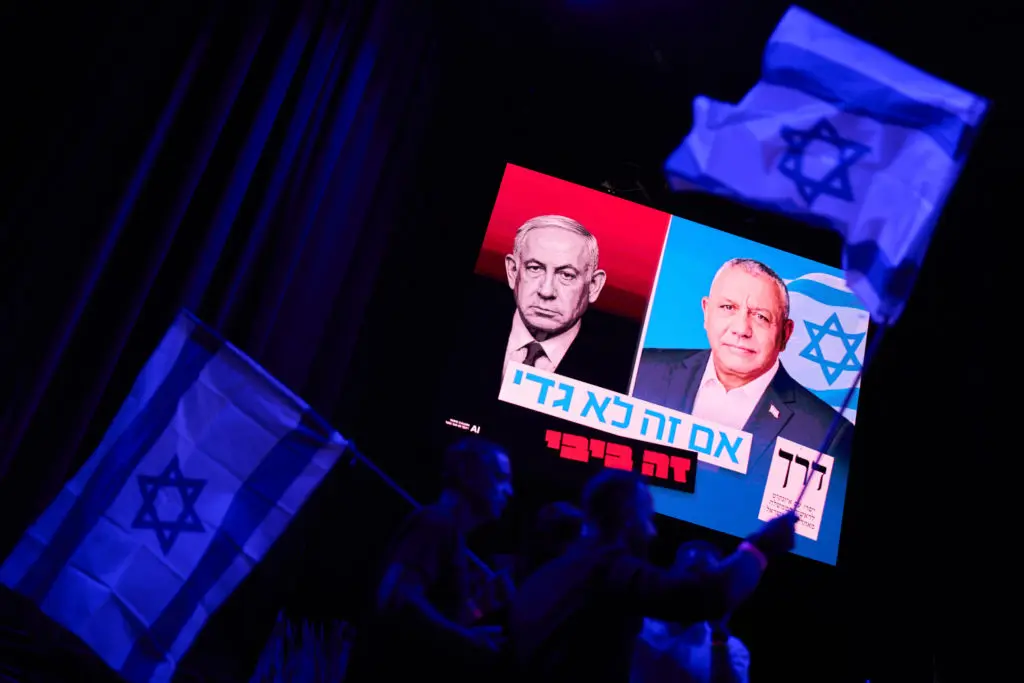
A Referendum on Wartime Leadership
Israelis are casting their ballots this Tuesday in a high-stakes national election. This marks the first time citizens have voted since the October 7 attacks and the subsequent war in Gaza. The outcome will test the political future of Prime Minister Benjamin Netanyahu amid deep national divisions and ongoing security crises.
Voters are heading to polling stations across the country to decide the composition of the next government. The atmosphere remains tense as the nation grapples with the long-term consequences of the conflict. Public opinion is sharply split regarding the current leadership's handling of the war and its approach to regional stability.
Netanyahu enters this contest facing intense scrutiny from both political rivals and a public exhausted by prolonged violence. His campaign focuses on security and the necessity of strong leadership during existential threats. However, critics argue his policies have failed to provide long-term safety or a clear path toward national recovery.
Can Netanyahu Retain His Political Grip?
The election serves as a critical barometer for the country’s direction. Many citizens are prioritizing economic stability alongside national security concerns. The results will likely dictate future military strategy and diplomatic efforts in the Middle East. Every vote carries significant weight as the nation attempts to define its post-war identity.
The Prime Minister’s coalition faces a formidable challenge from opposition parties promising a new vision for Israel. These groups argue that a change in leadership is essential to restore public trust and address internal fractures. The electoral outcome will determine whether Netanyahu can maintain his lengthy tenure or if the country is headed toward a major political shift.
Frequently Asked Questions
The international community is watching closely as the results emerge. A new government will inherit a complex set of challenges, including managing regional alliances and domestic social tensions. The final tally will set the tone for Israel's policy trajectory for years to come.
Why is this election considered so significant? This is the first time the public has voted since the October 7 attacks. It serves as a direct assessment of the government's performance during the Gaza war.
What are the main issues driving voters to the polls? Voters are primarily focused on national security, the management of the ongoing conflict, and the country's economic stability. Many are also weighing the necessity of political change against the desire for experienced leadership.