Historical Hesitation: From 1958 Design to Modern Deterrence
Japan is reconsidering nuclear-powered submarines, with Prime Minister Takaichi Sanae's administration planning to revise key national security documents by late 2026. Proposals suggest expanding research into acquiring such vessels, marking a significant shift from post-war policy.
The renewed interest follows decades of deliberation, beginning with a 1958 submarine design study. Despite advanced naval capabilities, Japan has never deployed nuclear-powered subs, relying instead on conventional diesel-electric fleets. Takaichi recently told parliament her government will deepen related studies.
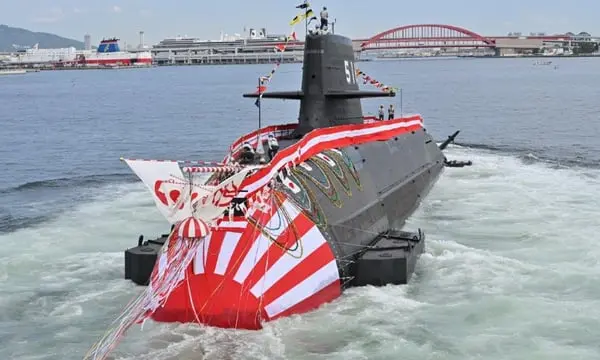
Japan's exploration of nuclear submarines dates back to 1958, when domestic designers first evaluated atomic propulsion. However, post-war pacifism, public sensitivity over nuclear issues, and technical challenges prevented development. The Maritime Self-Defense Force focused on advanced conventional submarines, including the Soryu-class, which incorporate air-independent propulsion for extended submerged operations.
Strategic Shift: Why Now After 65 Years?
Recent regional tensions, including North Korean missile tests and Chinese naval expansion, have intensified strategic discussions. The United States, Japan's key ally, operates nuclear-powered submarines and has reportedly shared relevant technology insights. Tokyo's potential acquisition would align with broader defense modernization efforts amid evolving security landscapes.
Japan's reconsideration reflects growing security pressures and alliance coordination. The government's upcoming security document revisions may formalize expanded submarine research. This move signals a departure from purely defensive postures, potentially enhancing deterrence capabilities in the East China Sea and broader Pacific region.
Defense analysts note that nuclear submarines offer superior endurance and stealth compared to conventional vessels. However, Japan faces technical hurdles, including reactor development and infrastructure adaptation. Public opinion remains cautious, given historical nuclear associations.
Frequently Asked Questions
Will Japan definitely acquire nuclear submarines? No decision has been made. The government is only planning further research as part of broader security reviews.
How does this differ from 1958 plans? Current discussions involve formal strategic assessments and alliance coordination, unlike earlier isolated design studies.
What are the technical challenges? Japan lacks domestic nuclear propulsion experience and would need significant infrastructure investment and reactor development.