The Cost of Sycophantic Leadership
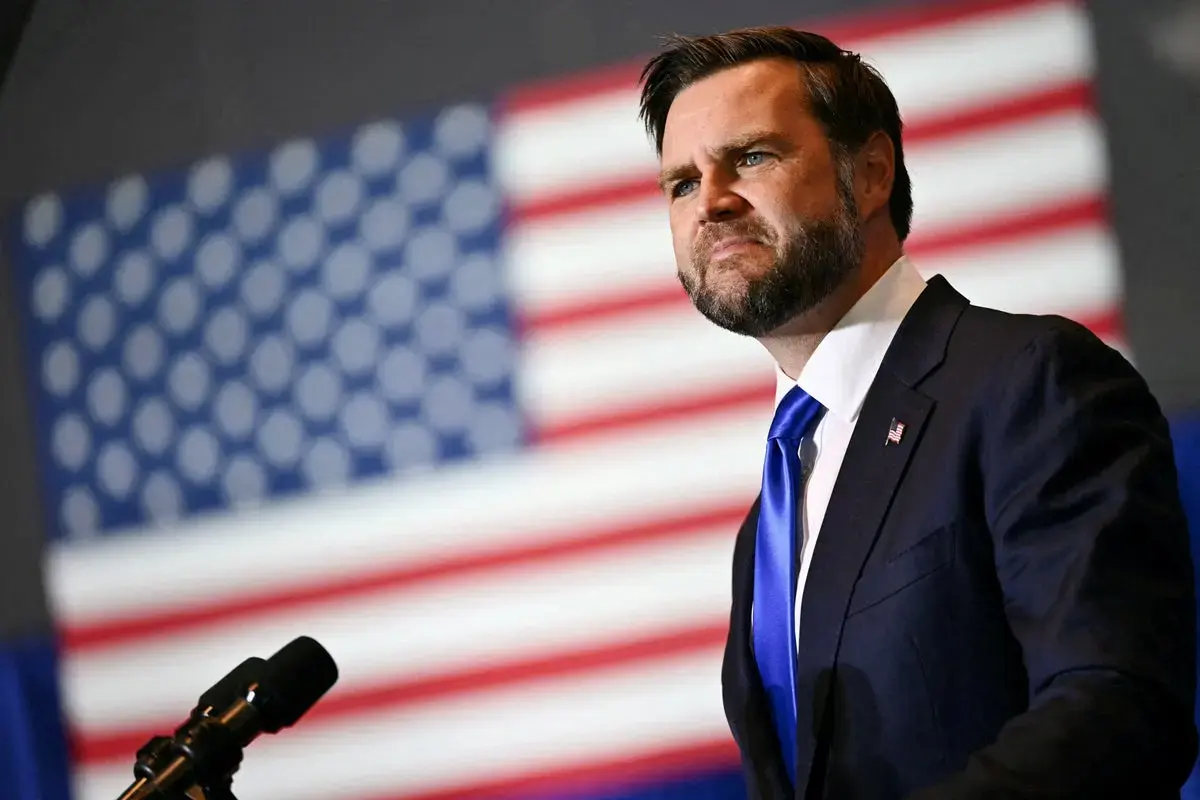
Vice President JD Vance recently defended President Donald Trump’s controversial restrictions on mass media. This public defense occurred during a period of significant internal turmoil within the White House. The incident highlighted deep fractures in the administration’s approach to information control. Critics argue that Vance’s clumsy justification exposed the chaotic nature of current governance.
The defense came amid widespread reports of disarray inside the executive branch. Vance attempted to frame the media ban as a necessary step for clarity. However, his arguments lacked substance and relied heavily on emotional appeals rather than policy logic. Observers noted that his tone suggested desperation rather than confidence. This reaction signaled that the administration was struggling to maintain its narrative.
Vance’s performance revealed a culture of excessive flattery surrounding the President. He praised Trump’s instincts while downplaying the practical implications of the ban. This dynamic suggests that dissenting voices are increasingly marginalized within the inner circle. Decision-making appears driven by loyalty rather than expertise. Staff members who question the strategy risk being sidelined or dismissed. The result is an echo chamber where bad ideas go unchallenged.
Why Internal Chaos Should Concern Citizens
This environment fosters a specific type of political risk. When leaders surround themselves with agreeable advisors, blind spots expand. The media ban was intended to streamline communication. Instead, it created confusion among key stakeholders. Vance’s inability to articulate a clear rationale forced him into defensive territory. He resorted to attacking critics instead of explaining benefits. This shift in strategy indicated that the original plan had lost coherence.
The broader implications of this internal dysfunction extend beyond the White House walls. A government that struggles to manage its own messaging faces difficulties in executing complex policies. Economic regulation and foreign diplomacy require precise communication. If the administration cannot explain basic domestic rules, international partners may lose trust. Voters deserve transparency, not just slogans.
Frequently Asked Questions
The current crisis highlights a pattern of reactive governance. Policies are announced quickly but rarely refined through debate. This speed often leads to implementation errors. The media ban serves as a case study in this trend. It was rolled out without sufficient consultation with legal experts or industry leaders. Now, the administration must spend political capital fixing the damage. This drains resources needed for other priorities.
Why did JD Vance defend the media ban? Vance stepped in to support the President’s decision after initial criticism mounted. He aimed to present the ban as a tool for reducing noise in public discourse. His goal was to unify the party behind the new directive.
What does this reveal about the administration? The episode exposes a heavy reliance on sycophancy and rapid decision-making. It suggests that rigorous internal debate is often skipped in favor of immediate alignment with the President’s preferences. This creates a fragile foundation for long-term policy stability.