Investigators linked a pseudonym on early social
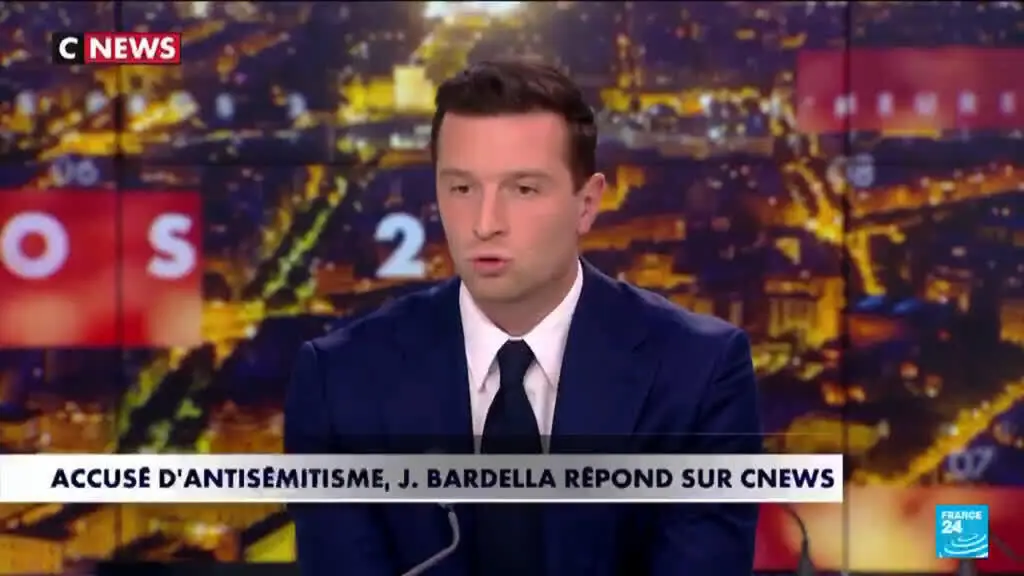
Jordan Bardella, prominent leader of France's far-right National Rally party, firmly rejected allegations regarding offensive social media remarks allegedly made in 2013. A French investigative journalism outlet recently published claims that Bardella used an alias online over a decade ago. The reports suggested these digital communications contained antisemitic language and offensive jokes.
The controversy emerged when investigative journalists scrutinized archived internet profiles linked to the young politician's early years in activism. During this period, Bardella was beginning his ascent within nationalist political circles near Paris. The revelations quickly sparked widespread debate across French media platforms regarding the historical roots of modern political movements.
Digital Footprints Under Scrutiny
Investigators linked a pseudonym on early social media networks directly to Bardella's personal history and regional associations. The alleged posts reportedly surfaced from a time when the politician was an obscure teenage militant. Political opponents immediately demanded full transparency and accountability regarding these historical internet posts.
Bardella and his legal representatives strongly rejected the authenticity and ownership of the contested accounts. The party leadership dismissed the investigation as a coordinated political smear intended to damage their electoral momentum. Defenders emphasized that anonymous online profiles are easily fabricated by political adversaries seeking distraction.
The ongoing fallout highlights the permanent nature
Can Past Online Behavior Derail Modern Political Ambitions?
The ongoing fallout highlights the permanent nature of digital archives for contemporary politicians across Europe. Voters increasingly weigh youthful indiscretions against current policy positions and leadership capabilities. National Rally officials maintain that the electorate focuses primarily on economic concerns and public security rather than historical internet rumors.
The controversy threatens to complicate Bardella's efforts to project a more moderate image for his party. Future campaign events will likely feature aggressive questioning from journalists regarding these unresolved digital history allegations. Observers note that maintaining voter trust remains paramount as the party prepares for upcoming national elections.
What specific allegations did the French investigative report make against Jordan Bardella? The report claimed Bardella used an online pseudonym in 2013 to post antisemitic comments and offensive humor. Investigators attempted to link these historical digital messages to the politician's early activist days.
How did Jordan Bardella respond to the published investigative claims? Bardella and his party representatives firmly denied owning the accounts or writing the contested messages. They dismissed the publication as a politically motivated smear designed to damage his reputation.