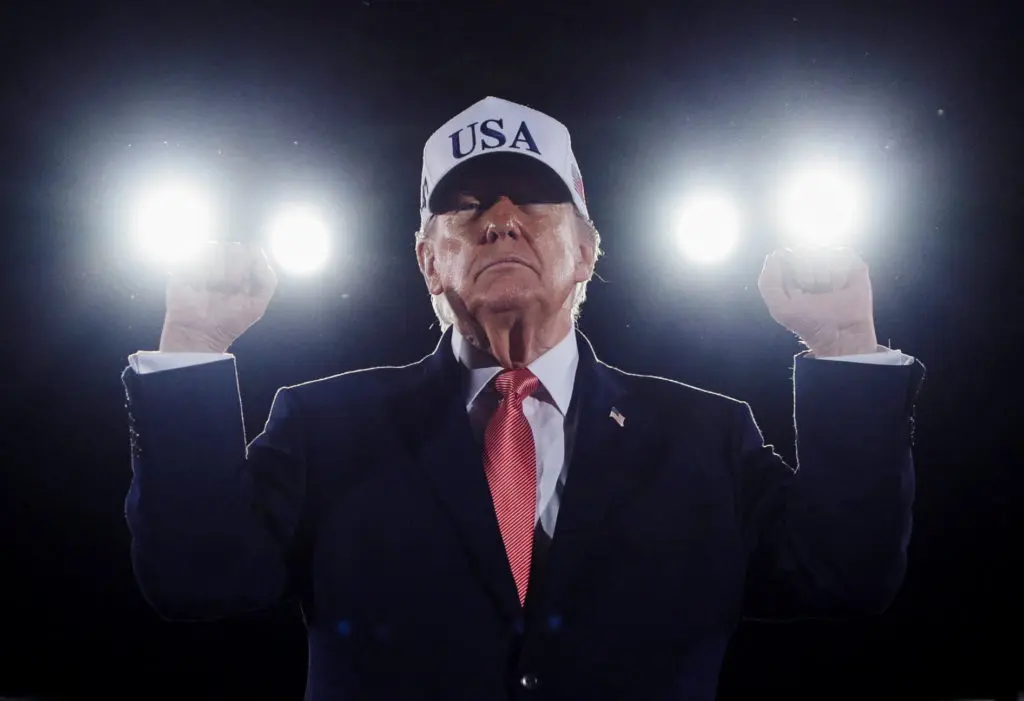
Legal Strategy And Procedural Hurdles
President Donald Trump has been ordered by a federal judge to submit a deposition in his ongoing defamation lawsuit against the British Broadcasting Corporation. The ruling sets a strict deadline of December 11 for the former and current president to provide sworn testimony. This legal move marks a significant shift in the procedural posture of the high-profile case. The court’s directive aims to ensure that key factual statements are formally recorded before the litigation proceeds further. Both parties have been actively engaged in this dispute for several months now.
The decision comes after a period where Trump frequently avoided formal depositions in various legal matters. His legal team had previously sought to delay or limit the scope of questioning. However, the presiding judge determined that the BBC needed clarity on specific claims made during the election night broadcast. The lawsuit centers on remarks made by BBC correspondents regarding the 2020 presidential race. Trump argues that these comments were false and damaged his reputation significantly.
The core of the dispute involves whether the BBC’s coverage constituted actionable defamation. Trump’s attorneys argue that the network presented misleading narratives about the election results. They claim this affected public perception and his political standing. The BBC maintains that its reporting was accurate and protected under fair comment doctrines. The judge’s order forces both sides to clarify their positions through formal discovery processes. This step is crucial for establishing the evidentiary record required for a trial.
What Does The Deadline Mean For The Timeline?
The deposition process will allow the BBC’s legal team to question Trump directly under oath. They can probe the exact nature of the harm he alleges occurred. It also gives Trump’s team a chance to cross-examine BBC executives. This exchange helps narrow down the issues for potential jury consideration. The timeline suggests the court wants to keep the case moving toward resolution. Delays have already cost both parties significant resources and public attention.
The December 11 deadline creates immediate pressure on the plaintiff’s side. Trump must prepare detailed responses to a series of written questions. He may also need to appear in person for oral questioning. Failure to comply could result in sanctions or adverse inferences by the court. The ruling reflects a broader trend in civil litigation involving prominent figures. Courts often tighten schedules to prevent protracted battles over procedural details.
This development sets the stage for the next phase of the litigation. Once the deposition is complete, both sides will file motions for summary judgment. These motions will ask the judge to decide if there are any genuine disputes of material fact. If denied, the case will likely proceed to a full trial. The outcome could influence how future media organizations handle election night reporting. It may also set precedents for presidential defamation claims in federal courts.
Frequently Asked Questions
When is the specific deadline for the deposition? The judge ordered Trump to file the deposition by December 11. This date allows the court to maintain its schedule for subsequent hearings. Missing this deadline could lead to procedural penalties for the plaintiff.
Why did the judge issue this order now? The court determined that factual clarity was needed before moving to later stages. The BBC requested specific information that only the president can provide. This ensures the trial focuses on relevant evidence rather than speculation.
What happens if Trump does not comply? The judge can impose sanctions such as striking pleadings or entering a default judgment. It could also affect the credibility of his claims at trial. Compliance is essential to keep the case moving forward efficiently.