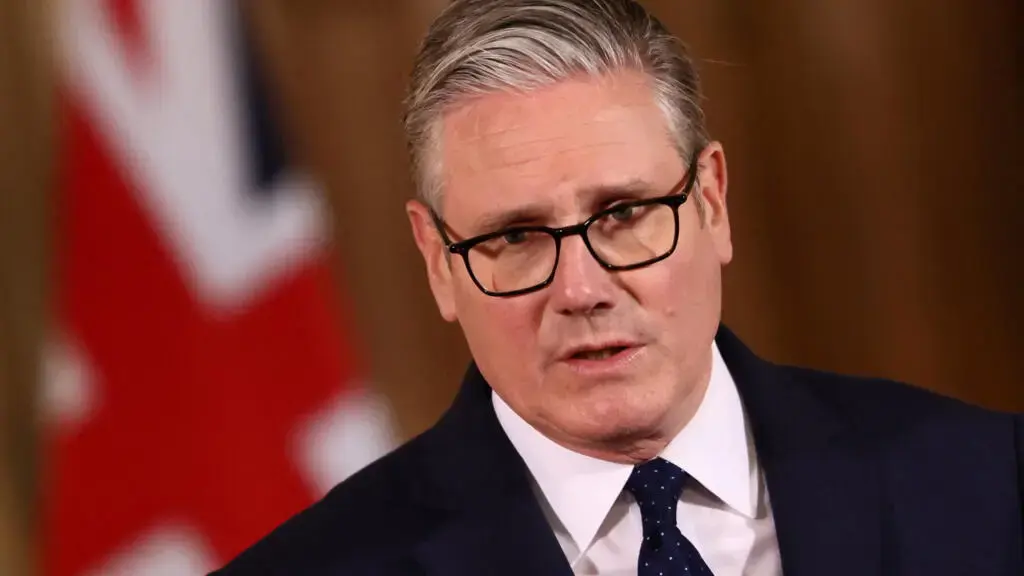
A Leader Under Siege
Britain's Labour leader, Keir Starmer, saw his term end abruptly after less than two years amid corruption allegations and policy U-turns. He was elected to provide stability after years of Conservative chaos. Starmer's downfall was swift and unexpected.
Dutiful rather than dynamic, Starmer was chosen for his reliability. However, his leadership was soon marred by controversy. Allegations of corruption and links between his government and questionable figures surfaced, eroding public trust.
Can Labour Recover?
Starmer's government faced intense scrutiny over its handling of various issues. Policy U-turns further damaged his credibility, leaving many questioning his decision-making. The final blow came when links between his administration and potentially corrupt individuals were revealed.
The opposition seized on these revelations, calling for Starmer's resignation. As the pressure mounted, Starmer's position became increasingly untenable. His inability to effectively address the allegations ultimately led to his downfall.
The consequences of Starmer's demise will be far-reaching. Labour now faces the daunting task of rebuilding trust and restoring its reputation. The party's future prospects are uncertain, with many wondering if it can recover from the damage inflicted during Starmer's tenure.
Frequently Asked Questions
The aftermath of Starmer's fall will likely be marked by introspection and soul-searching within the Labour Party. As the party regroups, it will need to address the issues that led to its leader's downfall.
What led to Keir Starmer's downfall? Corruption allegations and policy U-turns damaged his credibility, ultimately leading to his demise. How will Labour recover from Starmer's fall? The party will need to rebuild trust and restore its reputation. What are the implications for British politics? The Labour Party's future prospects are uncertain, with potential long-term consequences for the country's political landscape.