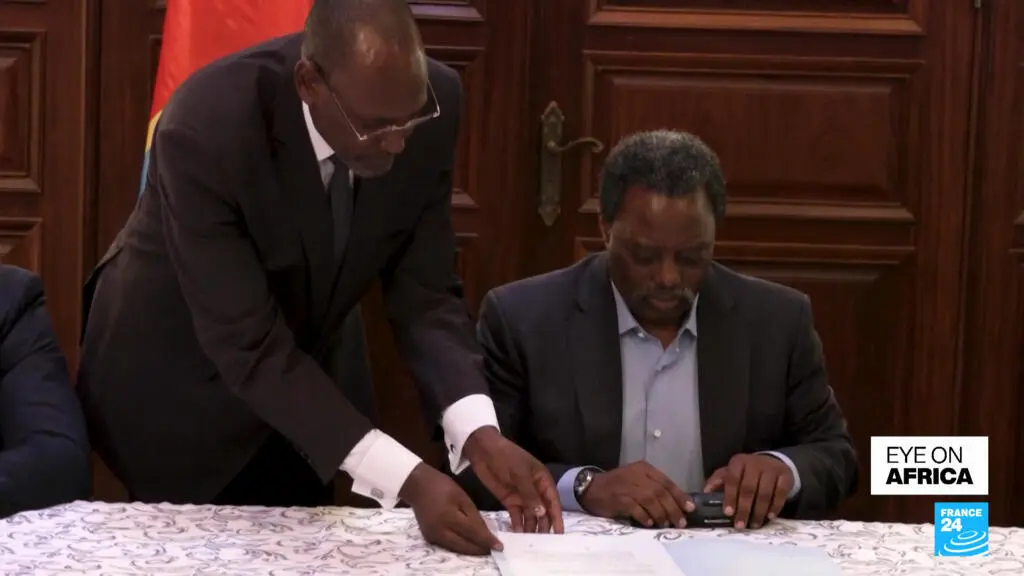
Why Kabila’s Alliance Could Shift the Balance of Power
Kinshasa is on edge this week as former president Joseph Kabila announced a new alliance with the M23 rebel movement. The declaration came during a televised address in the capital on Tuesday, sparking fears of renewed fighting in the eastern provinces. Security forces have increased patrols around key government buildings, and residents report heightened tension in neighborhoods near the presidential palace.
Kabila, who led the Democratic Republic of Congo from 2001 to 2019, said his partnership with M23 aims to „restore stability” after months of stalled peace talks. Analysts argue the move could destabilize the fragile cease‑fire that has held since late 2023, potentially drawing the army into a broader confrontation. The M23, originally formed by former rebels who mutinied in 2012, has been accused of seizing towns in North Kivu and committing human rights abuses. Kabila’s return to the political arena, after a decade of relative silence, raises questions about his motives and the likelihood of a negotiated settlement.
The former president’s endorsement gives M23 a veneer of legitimacy that could attract new recruits and foreign sympathizers. In the past, Kabila’s political network has controlled significant portions of the country’s mineral wealth, and his involvement may grant the rebels access to funding channels previously denied. Military experts note that the Congolese army, already stretched thin by operations against multiple insurgent groups, may struggle to respond to a coordinated offensive backed by Kabila’s political clout.
Could This Lead to a Full‑Scale Civil War?
Local officials in Goma reported a surge in armed checkpoints and an uptick in civilian displacement since the announcement. „We are seeing trucks moving at night, carrying weapons and supplies,” said a spokesperson for the provincial administration. Humanitarian agencies warn that renewed hostilities could reverse recent gains in food security and push thousands more into refugee camps across the border with Rwanda.
The specter of a nationwide conflict looms as rival factions vie for control of the east’s lucrative mining districts. Opposition leaders have condemned Kabila’s decision, labeling it „a betrayal of the peace process.” Meanwhile, President Félix Tshisekedi’s government has called for an emergency session of the National Assembly to discuss a possible crackdown on the rebel alliance. International observers, including the United Nations, have urged restraint, emphasizing that any escalation would jeopardize regional stability and the lives of millions.
If fighting erupts, the DRC could face a humanitarian crisis comparable to the 2018–2020 displacement waves, with schools shuttered and health services overwhelmed. The government’s response—whether diplomatic outreach or military action—will shape the country’s trajectory for years to come.
Frequently Asked Questions
What is the M23 rebel group? M23 is a militia that originated from former members of the National Congress for the Defence of the People, rebelling in 2012 over grievances about the integration of soldiers into the national army.
Why did Joseph Kabila decide to join M23 now? Kabila claims the alliance is meant to „restore stability” after stalled negotiations, but critics suggest he seeks to regain political influence and control over eastern mineral resources.
How might the international community react? The UN and regional bodies are likely to call for dialogue and may impose sanctions if the alliance leads to renewed violence, while neighboring countries could brace for spillover effects.