Challenges in Achieving Force Cohesion
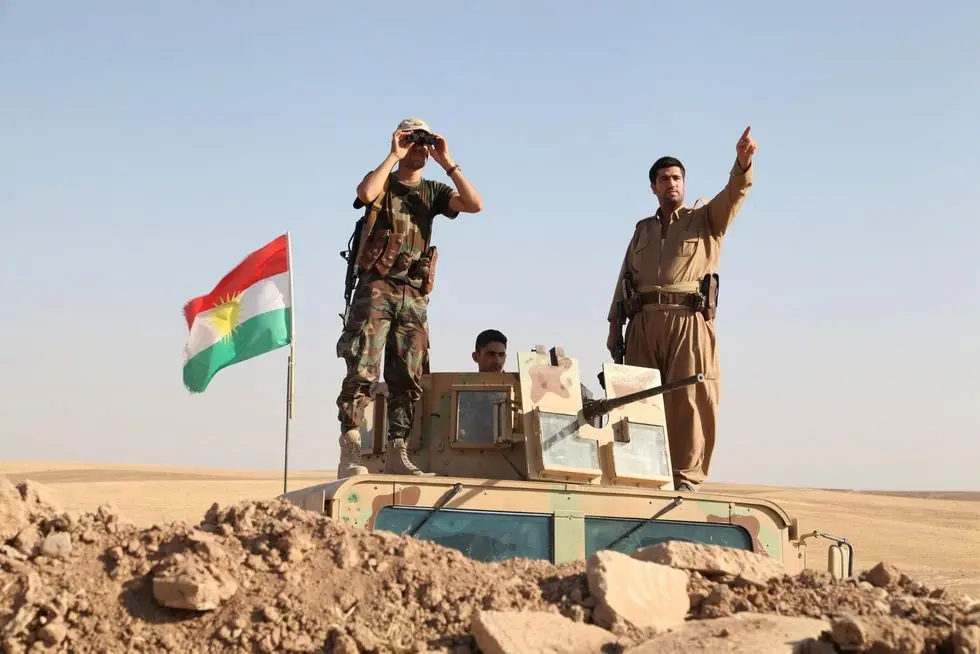
On September 21, the Kurdistan Region of Iraq announced the official completion of the long-delayed unification and reorganization of its Peshmerga paramilitary forces under the Ministry of Peshmerga Affairs. The move consolidates previously fragmented units into a single national force under centralized government control. This development marks a significant step in internal security restructuring following years of political division and external pressures.
The unification process had been repeatedly postponed due to disagreements among Kurdish political parties over command structure, funding, and loyalty to regional versus national authorities. The Peshmerga, historically rooted in Kurdish guerrilla movements, had operated largely along party lines, with separate brigades loyal to the Kurdistan Democratic Party and the Patriotic Union of Kurdistan. The new structure aims to eliminate these divisions by placing all units under a single ministry accountable to the regional government.
How Will This Affect Relations with Baghdad?
Despite the announcement, full integration remains a work in progress. Observers note that while administrative unification is complete, operational cohesion—such as joint training, standardized equipment, and unified intelligence sharing—will take time. International partners, including the United States, have supported the effort as part of broader stabilization initiatives in Iraq, particularly amid concerns over ISIS remnants and regional instability. The Kurdistan Regional Government emphasized that the unified force will focus on internal security and border protection, not external military engagements.
The central government in Baghdad has long viewed independent Kurdish armed forces with suspicion, fearing they could undermine national unity. However, officials in Erbil argue that a unified, professionally managed Peshmerga under clear civilian oversight actually strengthens Iraq’s overall security framework by reducing intra-Kurdish rivalry and improving coordination with federal forces. Some analysts suggest the move could ease tensions, though skepticism remains in Baghdad about the force’s true autonomy and loyalty.
What does the unification of the Peshmerga mean for daily operations? It means that all Peshmerga units will now follow a single chain of command, standardized protocols, and centralized budgeting through the Ministry of Peshmerga Affairs, reducing duplication and improving accountability.
Frequently Asked Questions
Will the unified Peshmerga still cooperate with international coalition forces? Yes, the Kurdistan Regional Government has stated that cooperation with international partners, including the U. S.-led coalition, will continue, particularly in training and counterterrorism efforts, but now under the oversight of the unified command.
Could this lead to future integration with the Iraqi federal army? While not currently planned, officials have not ruled out deeper coordination or eventual integration with Iraqi federal forces, depending on future political agreements and security conditions.