Coalition Challenges Ahead
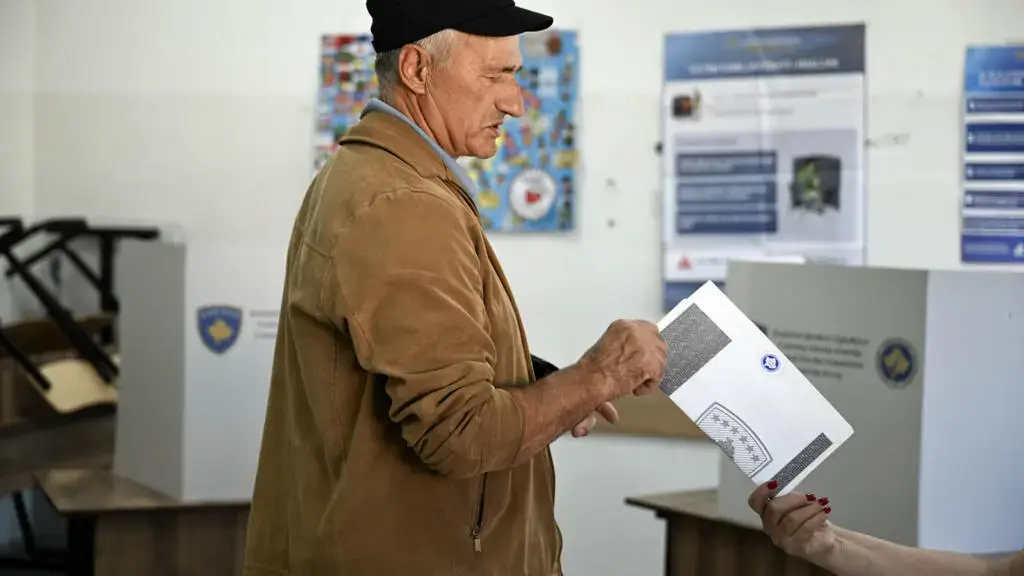
Kosovo's Prime Minister Albin Kurti secured the most votes in Sunday’s snap election but failed to gain a parliamentary majority. The result, announced Monday, leaves his party needing coalition partners to form a government. Voter turnout was low, reflecting public disillusionment with political options.
Kurti’s Vetëvendosje party won 33.9% of the vote, surpassing rivals but lacking a clear mandate. Analysts note fragmented support across Kosovo’s political landscape, with no single party reaching the 40% threshold needed for a majority. Early exit polls highlighted widespread voter frustration over economic struggles and stalled EU integration.
With 15 parties competing, forming a stable government may prove complex. The opposition Democratic League of Kosovo, led by former Prime Minister Hashim Thaçi, secured 22.7%, positioning itself as a key player. Kurti faces pressure to build alliances while addressing voter concerns over unemployment and corruption.
What Drives Voter Frustration?
Low turnout—estimated at 55%—signals public skepticism toward political promises. Many voters criticized candidates for failing to deliver economic reforms or resolve tensions with Serbia. Youth and urban voters, in particular, expressed disillusionment with traditional parties.
The outcome complicates Kosovo’s political future. Without a majority, Kurti may struggle to push through legislative priorities. Delays in coalition negotiations could deepen instability, potentially affecting regional relations and EU accession talks.
Frequently Asked Questions
What happens next? Kurti’s party must negotiate alliances with smaller parties to secure a parliamentary majority. Final election results are expected by week’s end.
Why did turnout decline? Voters cited a lack of trust in politicians and dissatisfaction with economic conditions. Many felt no party adequately addressed their concerns.
How does this affect Kosovo’s EU path? Stable governance is crucial for EU integration. Prolonged political gridlock could slow progress on key reforms demanded by Brussels.