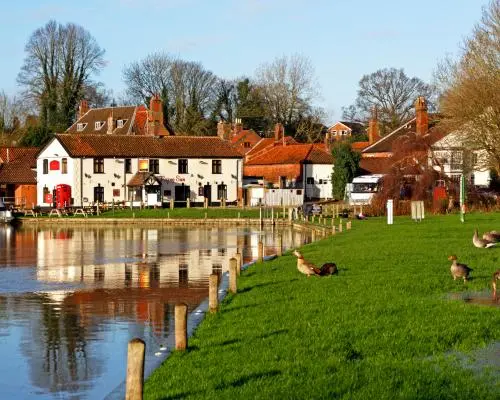
How the Funding Mechanism Could Undermine Habitat Safeguards
A Labour MP, Chris Hinchliff, has asked the UK’s environment regulator to block a set of planning rules that would permit the construction of nearly 16,000 new homes across the Norfolk Broads. The proposal, part of the government’s flagship planning reforms, threatens one of the country’s most protected wetland landscapes, raising concerns among conservation groups and local residents.
The „cash‑to‑trash” rules would allow developers to bypass strict habitat protections by contributing to a government‑run environmental fund. Critics argue this loophole could sanction large‑scale building on fragile ecosystems, undermining the Broads’ status as a UNESCO biosphere reserve. Hinchliff says the scheme ignores scientific advice and could cause irreversible damage to rare flora, birdlife, and water quality.
Under the new planning framework, developers can offset the ecological impact of their projects by paying into a central fund rather than adhering to on‑the‑ground mitigation measures. The regulator would then allocate the money to broader conservation projects, a process the MP describes as „a licence to pollute.” Environmental NGOs warn that such financial compensation cannot replace the loss of specific habitats, especially in a landscape where peat soils and reed beds support unique species. The Broads, home to otters, bitterns and a range of aquatic plants, rely on intact watercourses and low‑impact land use. Removing these safeguards could trigger a cascade of biodiversity loss and degrade the area’s tourism appeal.
Will the Broads Survive the Planned 16,000‑Home Expansion?
The scale of the development is unprecedented for the region. Proponents argue the homes will address a national housing shortage and bring economic benefits. However, the projected increase in population would place additional pressure on water resources, increase runoff, and heighten flood risk in an area already vulnerable to climate‑related events. Local councils have expressed mixed feelings, balancing the need for affordable housing with the duty to preserve a world‑renowned natural asset. If the regulator intervenes, the project could be delayed or reshaped to incorporate stricter environmental safeguards.
The outcome of Hinchliff’s appeal could set a precedent for how the UK balances development goals with environmental stewardship. A decision to block the rules would reinforce the principle that protected sites cannot be compromised for financial offsets. Conversely, approval could open the door for similar schemes elsewhere, potentially eroding the integrity of other conservation areas.
Frequently Asked Questions
What are the „cash‑to‑trash” planning rules? They allow developers to sidestep direct habitat protection by contributing to a national environmental fund, which is then used for broader conservation projects.
Why is the Norfolk Broads area particularly at risk? The Broads host rare wetland habitats, protected species, and serve as a major tourism draw. Large‑scale housing could disrupt water quality, increase flood risk, and threaten biodiversity.
What could happen if the regulator blocks the scheme? The proposed housing development would likely be paused, prompting a review of the planning reforms and possibly leading to stricter environmental requirements for future projects.