Mapping the Progressive Fragmentation
Recent polling data indicates that while the Labour Party maintains its status as the leading political force in Britain, it currently lacks the support necessary to secure a parliamentary majority. If a general election took place today, the party would face significant hurdles as Reform UK makes notable gains among the electorate.
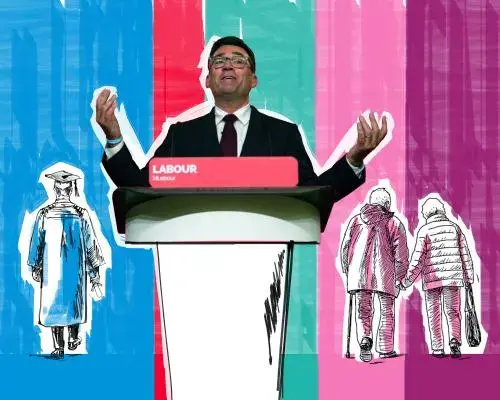
This research, conducted by Survation and 38 Degrees, highlights the complex nature of the modern progressive vote. Rather than a unified bloc, these voters are split into five distinct categories. Each group holds unique priorities and concerns, making it difficult for party leadership to maintain a cohesive coalition.
Can Labour Bridge the Ideological Divide?
The study identifies five specific voter personas that define the current political landscape. These groups range from idealistic supporters who prioritize social justice and climate action to more skeptical individuals who are primarily focused on economic stability and local security. The data suggests that these segments often hold conflicting views on key national issues.
By analyzing these differences, researchers have mapped how shifting loyalties impact Labour’s overall standing. Many of these voters feel disconnected from traditional party platforms. As a result, the party must balance the demands of socially progressive activists with the practical needs of voters who are increasingly wary of government promises.
The primary challenge lies in whether Labour can create a unified message that appeals to these disparate groups simultaneously. If the party fails to address the specific anxieties of the more skeptical segments, it risks losing critical support to emerging political alternatives. The surge of Reform UK further complicates this strategy.
Frequently Asked Questions
Ultimately, the future of the party depends on its ability to navigate these internal contradictions. Without a strategy that reconciles the idealism of its base with the pragmatism of the broader electorate, Labour may find itself unable to form a government despite its current lead in the polls.
What defines the five groups of progressive voters? These groups are categorized by their varying levels of idealism and skepticism. They differ significantly in their primary concerns, ranging from long-term social policy goals to immediate economic and security issues.