Why Do Peace Deals Fail in Gaza?
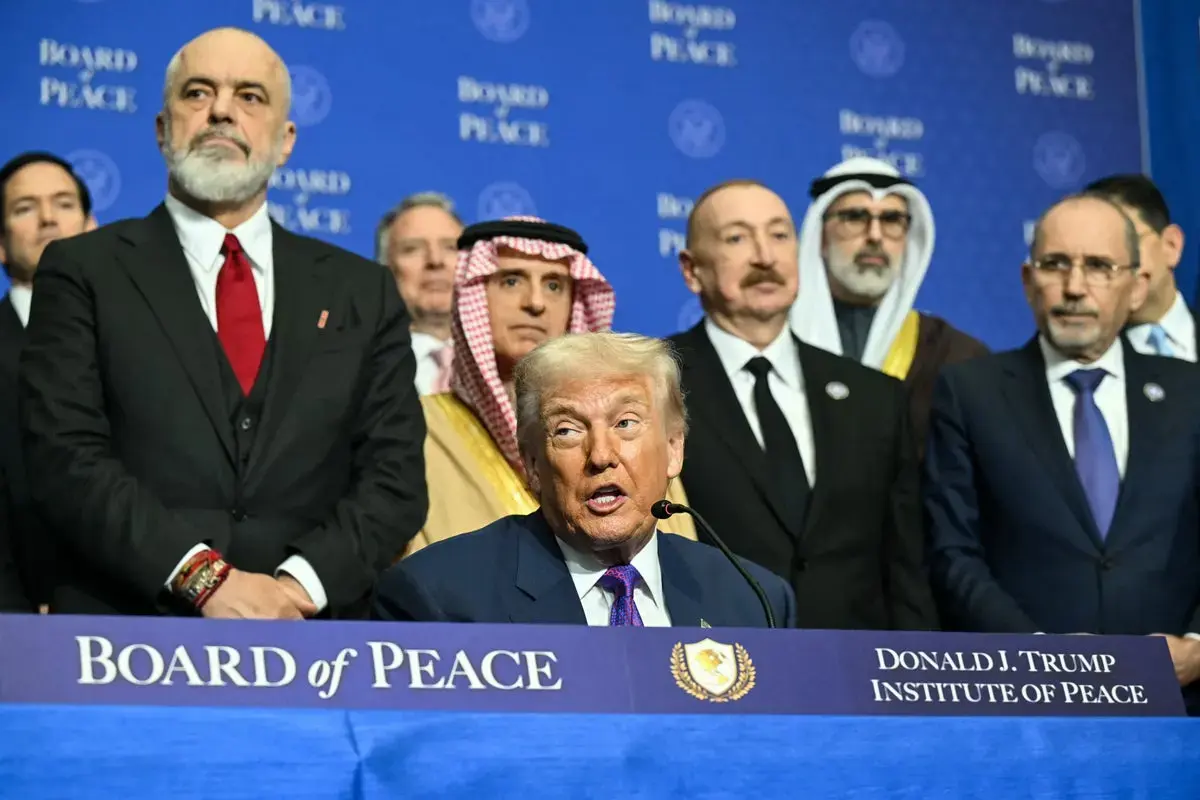
Peace agreements in Gaza continue to fall apart, raising questions about their effectiveness. Legal expert Adam Farquhar discusses the recurring issues that plague these deals, particularly focusing on the recent plan proposed by former President Trump. The fundamental flaw in Trump's Gaza peace plan mirrors the shortcomings of previous agreements. Despite intentions to create stability, these plans often overlook critical elements necessary for lasting peace, such as mutual recognition and addressing core grievances.
The history of peace negotiations in Gaza is marked by repeated attempts that ultimately collapse. Farquhar emphasizes that these agreements often lack the commitment from all parties involved. Trust is a significant barrier, as past betrayals have left deep scars. Without genuine engagement, any framework for peace is likely to unravel.
Moreover, the geopolitical landscape complicates these efforts. External influences, such as regional powers and international stakeholders, often have conflicting interests. This makes it challenging to reach a consensus that respects the needs of both Israelis and Palestinians. Farquhar points out that successful peace deals require not only local buy-in but also the support of influential global players.
Can Future Agreements Succeed?
The question remains: can future peace agreements in Gaza be successful? Experts argue that a new approach is needed, one that prioritizes dialogue and understanding. This involves recognizing the historical context and addressing the underlying issues, such as territorial disputes and the right of return for refugees.
Farquhar suggests that any new plan must include mechanisms for accountability and transparency. Both sides need to feel secure in their commitments. Without these elements, any agreement risks becoming another temporary solution rather than a sustainable resolution.
The consequences of failing to achieve lasting peace in Gaza are dire. Continued conflict leads to loss of life, humanitarian crises, and further destabilization in the region. As tensions rise, the potential for violence increases, impacting not just the local population but also international relations.
Frequently Asked Questions
What are the main reasons peace deals fail in Gaza? Peace deals often fail due to a lack of trust between parties, external political influences, and failure to address core grievances.
Is there hope for future peace agreements? While challenges remain, a new approach focusing on dialogue, accountability, and mutual recognition could pave the way for more successful agreements.
What impact does ongoing conflict have on the region? The ongoing conflict results in humanitarian crises, loss of life, and increased regional instability, affecting both local and international communities.