Recent surveys show neither candidate has managed to break away, with margins within the error margin of most polls
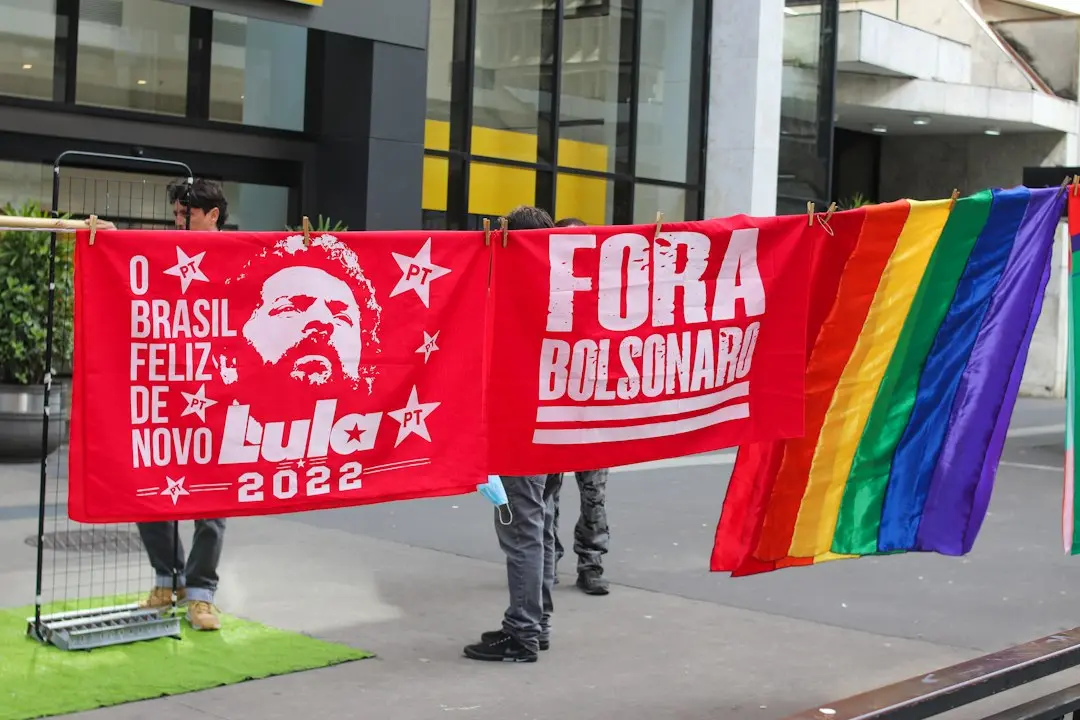
Brazil's presidential election is shaping up as one of the closest in recent memory, with incumbent Luiz Inácio Lula da Silva and right-wing challenger Flávio Bolsonaro statistically tied in final polls. Voters across the nation prepare to cast ballots amid heightened political tension and economic uncertainty. The outcome will determine the country's direction on social policy, environmental regulation, and international relations for the next four years. Both candidates have intensified their campaigns in the final days, holding large rallies in key states like São Paulo and Rio de Janeiro. Lula emphasizes his record on poverty reduction and social inclusion, while Bolsonaro focuses on law and order, appealing to conservative and evangelical voters.
Recent surveys show neither candidate has managed to break away, with margins within the error margin of most polls. How Economic Anxiety Is Shaping Voter Choices Inflation and job insecurity remain top concerns for many Brazilians, influencing how undecided voters lean in the final stretch. Lula's campaign highlights past success in lifting millions out of poverty during his previous presidencies, arguing that his economic policies benefited the working class. Bolsonaro counters by pointing to current fiscal challenges and promises tax cuts and deregulation to stimulate growth. Street vendors, factory workers, and small business owners across Minas Gerais and Bahia report feeling torn between loyalty to social programs and frustration over rising living costs. What Role Are Evangelical Voters Playing in This Election? Evangelical Christians, representing over 20% of the population, have become a decisive bloc in Brazilian politics, and both campaigns are actively courting their support.
Bolsonaro has aligned closely with evangelical leaders
Bolsonaro has aligned closely with evangelical leaders, promoting traditional family values and opposing abortion and gender education in schools. Lula, while historically supported by some progressive religious groups, has struggled to gain traction among conservative congregations. Pastors in Rio de Janeiro and Belo Horizonte say their congregations are divided, with some urging prayerful discernment and others openly endorsing candidates based on moral issues. Frequently Asked Questions Is voting mandatory in Brazil? Yes, voting is compulsory for literate citizens aged 18 to 70, though enforcement varies and penalties for non-compliance are rarely applied. What happens if no candidate wins a majority? If no candidate receives more than 50% of the vote, a runoff election will be held between the top two candidates on October 30. How are voters reacting to the tight race?
Many express anxiety about polarization, with some calling for unity regardless of the outcome, while others fear the consequences of a loss for their preferred side.