Lula Emphasizes Unity and Economic Recovery in Final Push
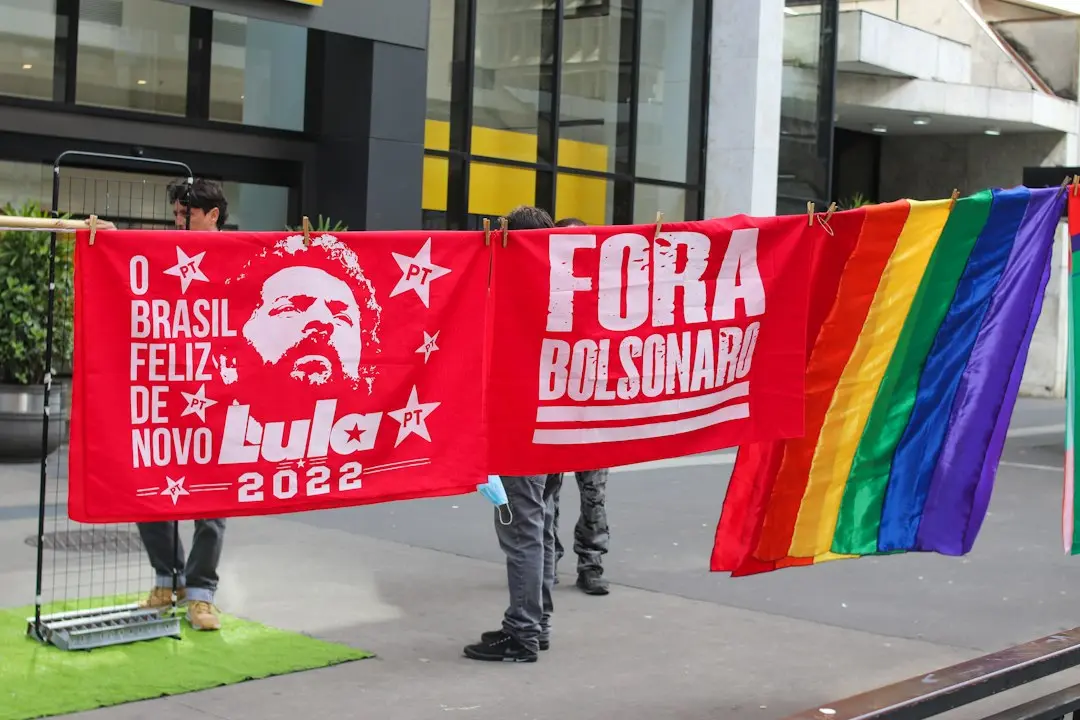
President Luiz Inácio Lula da Silva and Flávio Bolsonaro held their final campaign events on Saturday, just one day before Brazil's closely contested presidential election. Lula, seeking a third term, rallied supporters in São Paulo while waving both national and state flags. Flávio Bolsonaro, son of former president Jair Bolsonaro, campaigned in key swing states to consolidate conservative backing. The race remains tight, with polls showing minimal separation between the leading candidates as voters prepare to cast ballots on Sunday.
During his São Paulo rally, Lula highlighted achievements from his previous terms, including poverty reduction programs and infrastructure investments. He framed the election as a choice between continuity and regression, urging voters to protect democratic institutions. Supporters chanted slogans about jobs and social justice as Lula denounced what he called authoritarian tendenciesin the opposition camp. His message focused on rebuilding trust in government after years of political polarization.
How Is Flávio Bolsonaro Mobilizing Conservative Voters?
Flávio Bolsonaro has been touring rural areas and evangelical communities, emphasizing traditional values and opposition to what he describes as leftist extremism. He warned that a Lula victory would threaten family unity and religious freedom, themes that resonate strongly with his base. Recent rallies featured calls for stricter law enforcement and skepticism toward social welfare programs. Analysts note his efforts aim to energize voters who may feel disconnected from national politics but remain influential in determining regional outcomes.
Frequently Asked Questions
What are the main issues dividing voters in this election? The central debates revolve around economic management, social inequality, and concerns over democratic stability. Lula's supporters prioritize reducing hunger and unemployment, while Bolsonaro's backers focus on security, moral values, and limiting government intervention in personal lives.
How reliable are current polls predicting the election outcome? Polls show a narrow margin, but historians caution that past Brazilian elections have seen late shifts undetected by surveys. Voter turnout, especially among undecided and first-time participants, could significantly alter projections. Both campaigns are treating the race as too close to call until results are officially confirmed.