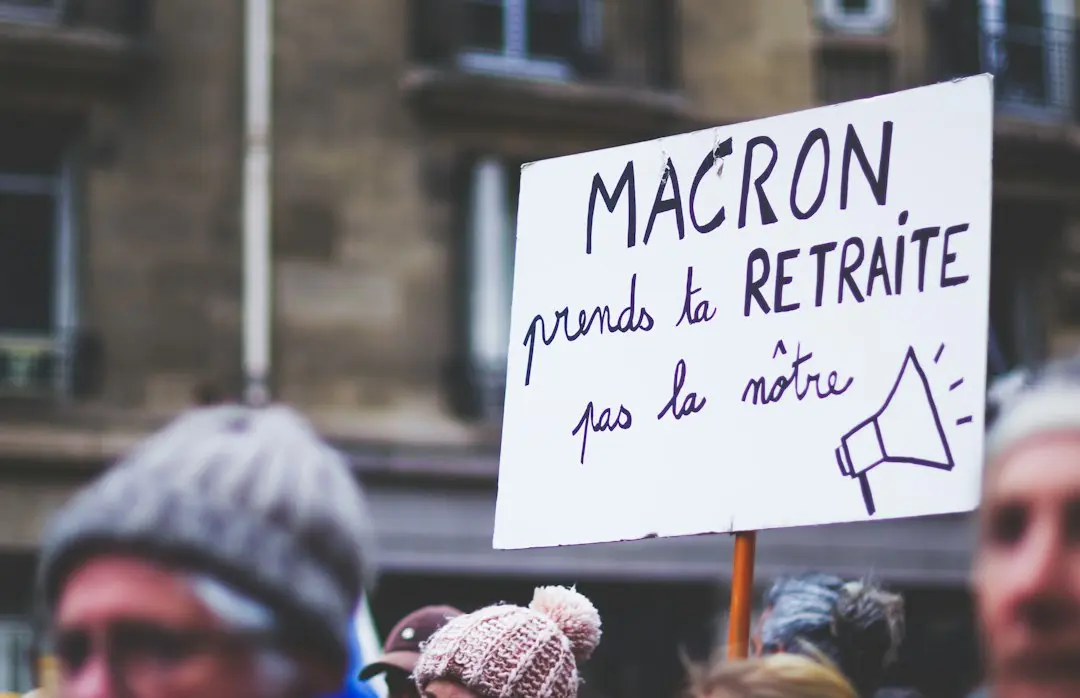
The Cost of Civil Unrest
Paris, France – President Emmanuel Macron addressed the nation on Sunday night. He spoke after days of violent nationwide protests. The unrest was triggered by student demands for education reform. Macron attempted to balance firmness with empathy. He acknowledged the legitimate concerns of young protesters. However, he also condemned the destruction of public property. His speech aimed to stabilize a rapidly fracturing political landscape.
The demonstrations have deeply divided French society. Young voters have emerged as a critical, angry bloc. This shift threatens the political stability of the center-right government. The protests began over proposed changes to the education system. Students felt their voices were ignored by the administration. Tensions escalated quickly, leading to clashes with police. The situation has now become a major crisis for Macron’s presidency.
Macron emphasized accountability in his address. He stated that individuals who destroyed property must pay. Those who looted stores must reimburse their victims. The president made it clear that legal consequences would follow. There would be no tolerance for violence. He distinguished between peaceful protest and criminal acts. This distinction aims to isolate the rioters from the broader student movement. Law enforcement has been active in containing the unrest.
Can the Center-Right Survive This Divide?
The government faces pressure from multiple fronts. Business owners report significant financial losses. Public infrastructure has suffered damage in several cities. The police have faced criticism for their handling of the crowds. Some observers argue the response was disproportionate. Others support the strict enforcement of order. The debate continues to fuel social media discourse. Public opinion remains sharply divided on the issue.
The political implications are profound for Macron’s camp. The protests have polarized the electorate further. Young people, traditionally less engaged, are now highly motivated. Their anger targets the current administration directly. This demographic is crucial for upcoming elections. The center-right party may struggle to retain their support. Opposition parties are seizing the moment to criticize the government. They frame the unrest as a failure of leadership.
Macron’s strategy relies on maintaining a centrist position. He must appeal to both sides of the divide. Acknowledging student grievances helps mitigate alienation. Condemning violence reassures law and order advocates. However, the margin for error is slim. Any misstep could deepen the rift. The administration is monitoring the situation closely. Internal consultations are ongoing to adjust policy.
Frequently Asked Questions
The outlook for the coming months remains uncertain. Further protests are likely if demands are unmet. The education sector may see continued disruption. Political negotiations may become necessary to de-escalate tensions. The government must demonstrate tangible results. Without concrete actions, the anger may persist. The stability of the French political system is now under test.
Why did the protests turn violent? Tensions escalated after students felt their demands were ignored. Clashes with police led to widespread looting and property damage.
What did Macron say to rioters? He stated that those who destroyed property must pay. He emphasized that legal consequences would be enforced strictly.