The Political Weight of a Neighborhood Cut
Brazil approaches a tense presidential election on October 1, 2026, where the humble picanha cut of beef has surprisingly transformed into a major political thermometer. President Luiz Inacio Lula da Silva campaigns for reelection in Brasilia, facing off against rival candidates including Senator Flavio Bolsonaro while voters weigh the real cost of their traditional barbecues.
Four years ago, President Lula built a cornerstone of his campaign around this specific steak, vowing to make the national favorite affordable for everyday working families again. That ambitious culinary promise struck a deep chord with voters struggling under economic strain, turning a neighborhood butcher shop staple into a powerful symbol of economic recovery and social well-being across the vast South American nation.
Can Promises on Beef Deliver Victory?
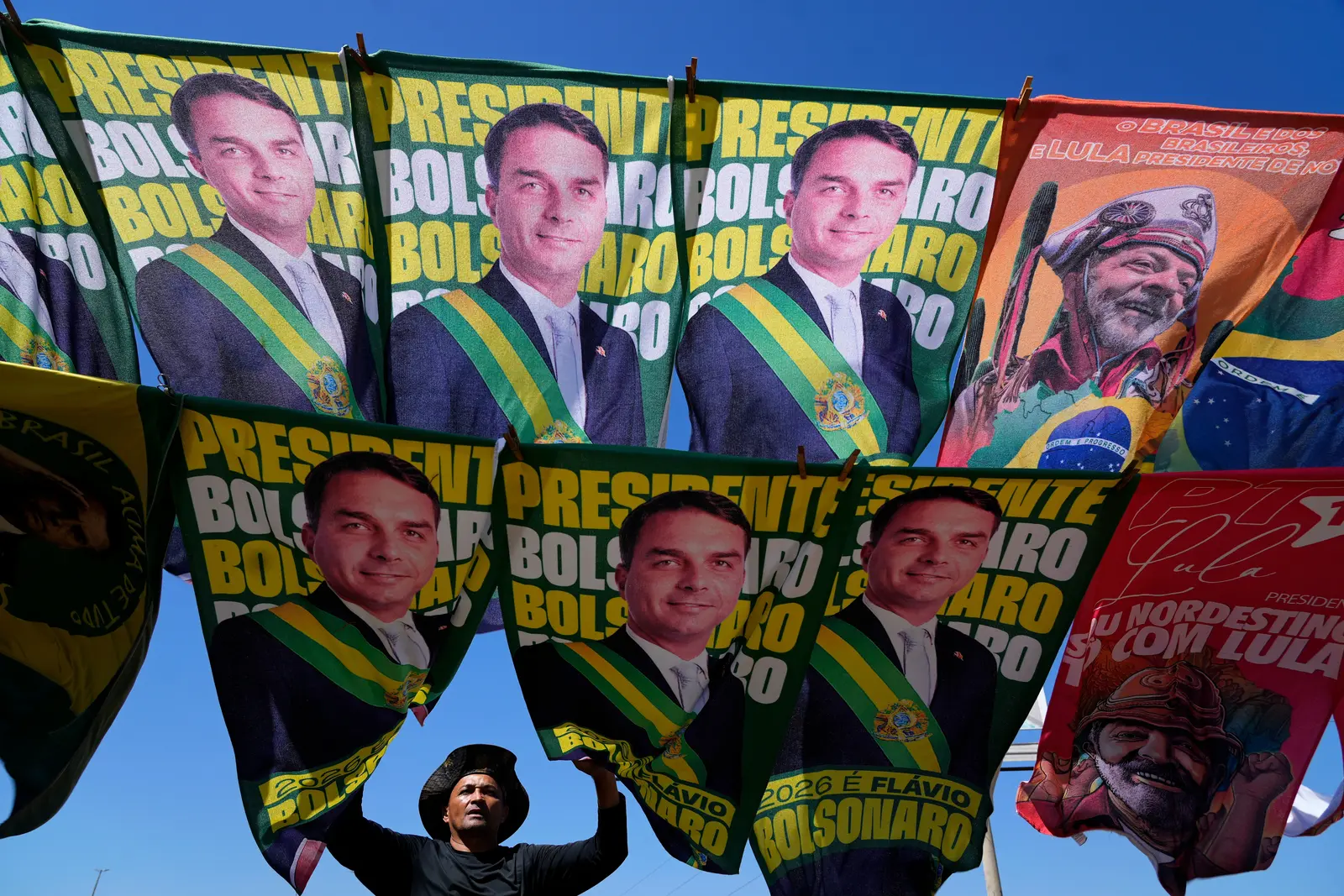
Street vendors now crowd the avenues of Brasilia, waving competing campaign flags for Lula and his conservative challengers as the autumn race intensifies. For ordinary citizens browsing local market stalls, the fluctuating price tag attached to premium beef reflects broader government competence and the tangible success of recent financial policies.
Frequently Asked Questions
Candidates across the political spectrum now address kitchen-table economics directly, knowing that voter sentiment often mirrors the cost of daily groceries rather than abstract macroeconomic indicators. As election day arrives, the ability of leaders to put traditional meals back on family tables remains a decisive factor in swaying undecided voters at the polls.
Q: Who are the main political figures mentioned in the race? A: The current president, Luiz Inacio Lula da Silva, is running for reelection against opponents like Senator Flavio Bolsonaro.