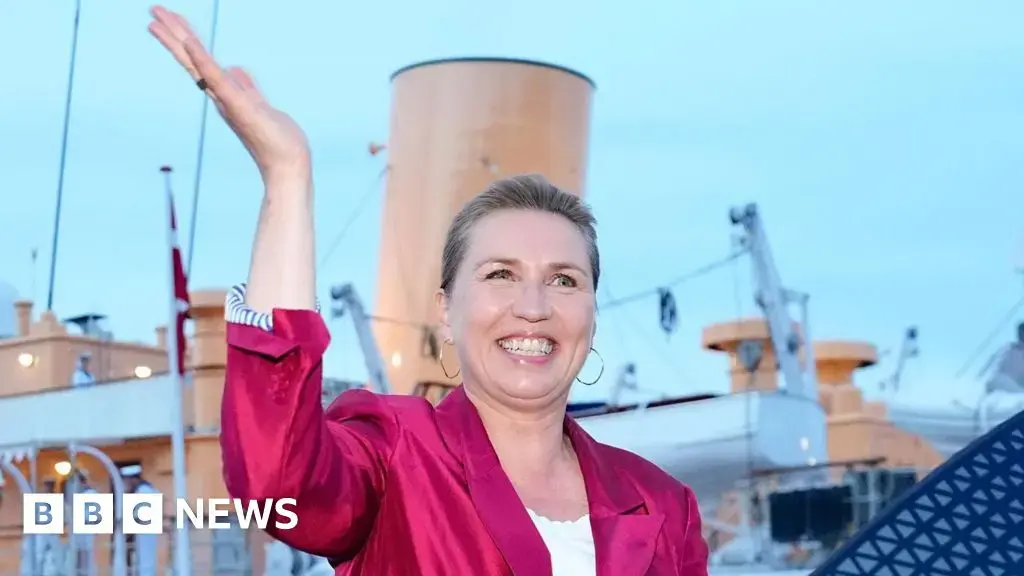
Building a Coalition Government
Denmark's Prime Minister Mette Frederiksen is set to form a new government after months of negotiations. The leader of the Social Democratic Party will head a centre-left coalition minority government. The negotiations concluded recently. Frederiksen's party won the 2022 general election.
Frederiksen's government will rely on support from other parties to pass legislation, as it does not hold a majority in parliament. The coalition will comprise parties from the centre-left bloc. The negotiations were complex and involved several parties. The process was lengthy, taking several months to conclude.
The new government will face challenges in implementing its policies without a majority. Frederiksen's Social Democratic Party won 50 seats in the 179-seat parliament. The coalition will need to negotiate with other parties to pass key legislation. The parties involved in the coalition have agreed on a platform.
Can She Deliver on Promises?
Frederiksen's government has promised to address key issues, including the economy and welfare. The government's policies will be put to the test in the coming months. The opposition will scrutinize the government's decisions. The government's success will depend on its ability to negotiate with other parties.
The new government's formation is expected to bring stability to Danish politics. The government's policies will have implications for the country's economy and society. The opposition will be watching closely.
Frequently Asked Questions
What type of government will Mette Frederiksen lead? Mette Frederiksen will lead a centre-left coalition minority government. This means she will need support from other parties to pass legislation.
Who will be part of the coalition? The exact parties involved have been agreed upon after months of negotiations.
What are the key challenges for the new government? It will need to negotiate with other parties to pass key legislation.