The End of Nvidia’s Hardware Monopoly
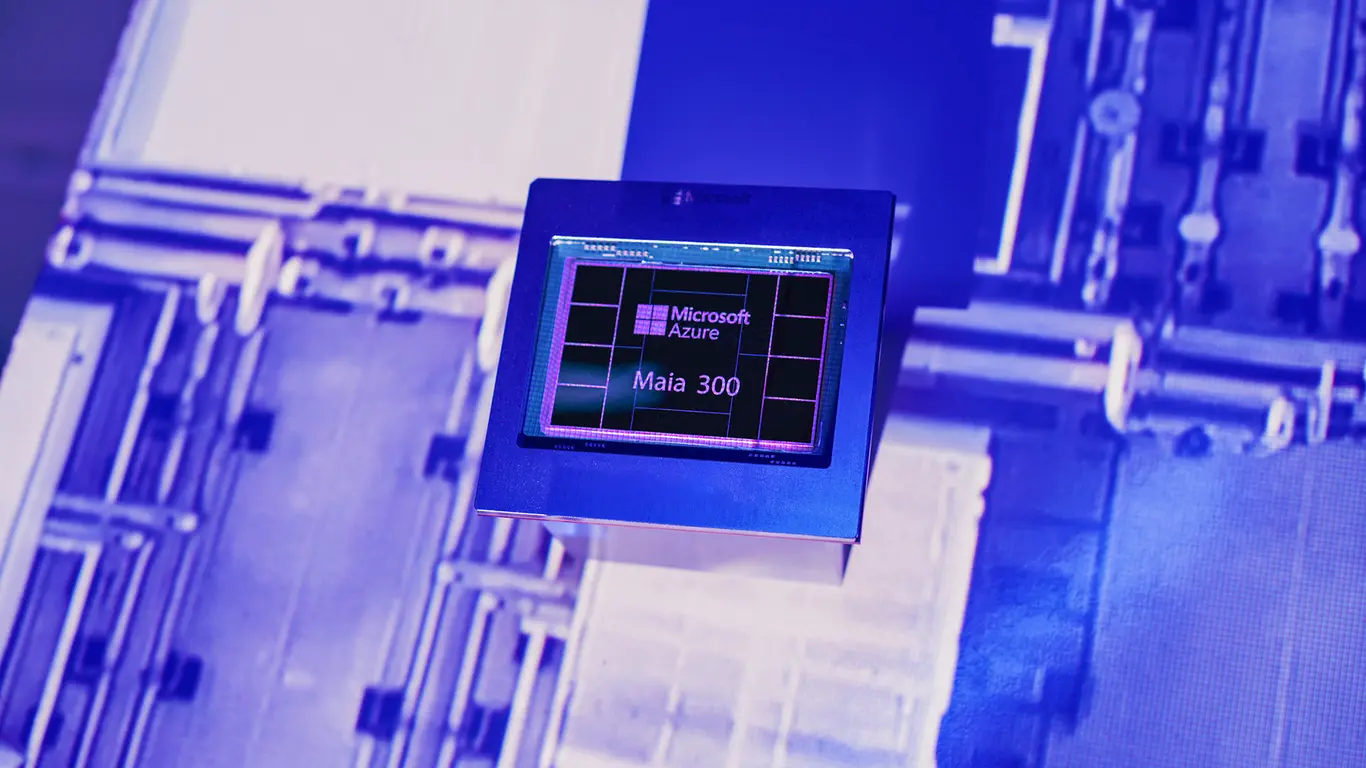
Microsoft recently unveiled its custom-designed Maia artificial intelligence chip, signaling a major shift in the global technology landscape. By moving away from reliance on third-party hardware, the company aims to optimize its AI infrastructure. This development marks a pivotal moment as major tech firms transition from software-focused strategies to proprietary silicon.
The move highlights an escalating race to control the physical components that power modern intelligence. Microsoft intends to integrate these chips into its data centers to support its growing suite of AI tools. By designing its own hardware, the company seeks to reduce operational costs and enhance overall system performance.
Nvidia has long dominated the market for high-performance AI processors. However, its biggest customers are now pivoting toward vertical integration to gain independence. Tech giants are finding that off-the-shelf solutions no longer provide the necessary efficiency for massive, specialized workloads.
Will Custom Chips Disrupt the Silicon Industry?
Developing custom silicon allows companies to tailor hardware specifically to their unique software architectures. This strategic pivot is expected to reshape the supply chain for high-end semiconductors. As Microsoft scales its Maia project, it joins a growing list of competitors actively challenging Nvidia’s market supremacy.
The transition to proprietary hardware represents a massive financial gamble for the industry. Companies are investing billions to secure their supply chains and gain a competitive edge in performance. This trend could lead to a fragmented market where specialized chips become the standard for large-scale cloud computing.
Frequently Asked Questions
If successful, these custom initiatives will significantly lower the cost of training and running complex AI models. This shift forces hardware manufacturers to innovate faster to retain their client base. Ultimately, the move toward internal silicon will define the next decade of infrastructure development in the digital age.
Why is Microsoft developing its own chips? The company wants to reduce costs and improve performance for its specific AI workloads. Relying on custom silicon allows for better optimization than standard market alternatives.
Does this threaten Nvidia’s market position? Yes, as major clients become direct competitors, Nvidia faces increased pressure to maintain its dominance. The shift indicates that large tech firms prefer building their own infrastructure over external reliance.