Interior Minister Matteo Piantedosi condemned the violence
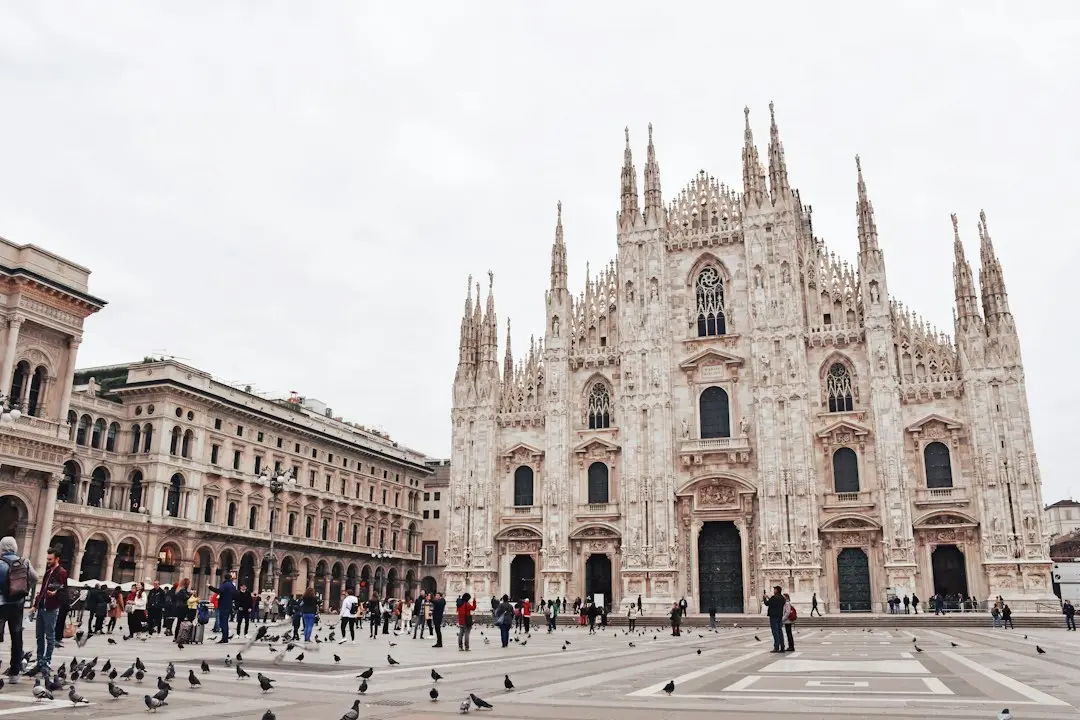
On Sunday, Milan witnessed a second consecutive day of clashes between youths and police as protests over the rising cost of living turned violent near the city's historic Duomo plaza. Demonstrators, many dressed in black, threw bottles, looted shops, and damaged property in scenes echoing recent unrest in Paris. The disturbances prompted Italian Prime Minister Giorgia Meloni to call an emergency security meeting on Monday to assess the situation and coordinate a response. The unrest reflects growing frustration among young people and low-income households grappling with inflation, stagnant wages, and soaring housing and energy costs. While initial protests began peacefully, they escalated as masked individuals infiltrated crowds and targeted commercial establishments. Police responded with batons and tear gas, resulting in over 200 arrests across the two days, according to local authorities.
Interior Minister Matteo Piantedosi condemned the violence, stating that peaceful dissent must not be confused with criminal acts aimed at causing chaos. What Triggered the Escalation in Milan? The spark appears to stem from a combination of economic pressure and perceived government inaction on social welfare. Organizers of the original demonstration said they sought to highlight the inability of many families to afford basic necessities, but acknowledged that extremist elements exploited the gathering. Social media footage showed individuals breaking storefront windows and setting fire to trash bins, actions quickly denounced by mainstream protest leaders. Experts warn that without targeted relief measures, similar flare-ups could spread to other Italian cities facing comparable economic strain. How Is the Government Responding to the Crisis? Beyond the security summit, Meloni’s administration has pledged to review existing aid programs, including energy subsidies and food vouchers, though no new packages were announced.
Police have increased patrols in central Milan and deployed additional units to monitor potential hotspots
Police have increased patrols in central Milan and deployed additional units to monitor potential hotspots. Meanwhile, opposition parties have accused the government of prioritizing order over empathy, urging immediate dialogue with youth representatives and labor unions. Analysts suggest the coming weeks will be critical in determining whether the government can restore trust through both firm enforcement and tangible social support. Frequently Asked Questions Were the protests organized by a specific group? No single organization claimed responsibility; the demonstrations began as spontaneous gatherings fueled by broad economic discontent before being hijacked by violent factions. What measures are being considered to help struggling families? Officials are evaluating temporary expansions of utility bill assistance and increased funding for social housing, though details remain pending. Is there a risk of the violence spreading to other cities?
Security officials acknowledge the possibility, particularly in urban centers with high unemployment and living costs, and are coordinating preventive strategies nationwide.