A Partnership Born of Isolation?
Myanmar’s military government is reportedly turning to Russia for help with a stalled technology park. The Yatarnapon Cyber City project, envisioned as a major tech hub, has faced significant delays. Discussions suggest potential Russian investment and expertise could revive the ambitious plan. This development occurred recently, as of June 5, 2026.
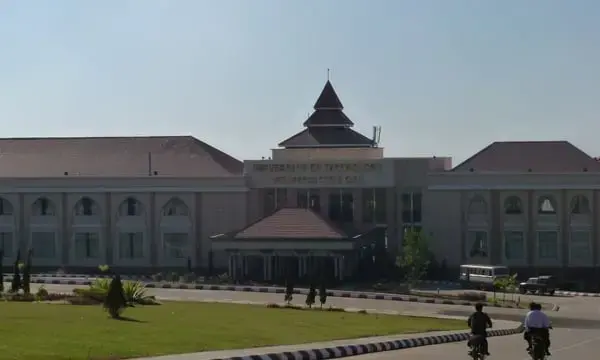
The Yatarnapon Cyber City, located in Myanmar, was intended to be a flagship technology park. It included plans for a university focused on technology. The project aimed to boost Myanmar’s digital infrastructure and attract foreign investment. However, progress has been hampered by political instability and economic challenges following the 2021 coup.
The military junta, increasingly isolated internationally, appears to be strengthening ties with Russia. This collaboration extends beyond the tech sector, encompassing military equipment and political support. Analysts believe Myanmar seeks to circumvent Western sanctions and secure crucial resources through this partnership. Russia, in turn, may see Myanmar as a strategic ally in the region.
Will This Bridge Myanmar’s Digital Divide?
The stalled university within the Cyber City was a key component of the original plan. It was designed to train a new generation of Burmese tech professionals. Without sufficient funding and international collaboration, the university’s development has been significantly delayed. Russian assistance could provide the necessary capital and technical know-how to get the project back on track.
The potential influx of Russian support raises questions about the future of Myanmar’s technology sector. Some experts worry about dependence on a single partner. Others suggest that any investment, regardless of origin, could be beneficial for a country struggling with technological advancement. The project’s success hinges on overcoming logistical hurdles and ensuring transparency in funding.
If revitalized, the Yatarnapon Cyber City could create jobs and stimulate economic growth. It might also improve Myanmar’s digital literacy and connectivity. However, critics argue that the benefits may not be evenly distributed. Concerns remain about the junta’s control over the project and its potential use for surveillance. The long-term impact will depend on how the project is managed and integrated into Myanmar’s broader economic landscape.
Frequently Asked Questions
What was the original goal of Yatarnapon Cyber City? The project aimed to establish a leading technology park and university in Myanmar. It was intended to foster innovation, attract investment, and develop a skilled workforce in the digital sector.
Why did the project stall? Political instability and economic difficulties following the 2021 military coup significantly hampered progress. Lack of funding and international cooperation also contributed to the delays.
What role is Russia expected to play? Russia is reportedly considering providing financial assistance and technical expertise to revive the project. This could include investment in the university and infrastructure development.