Diplomatic Overtures Amid Escalating Crisis
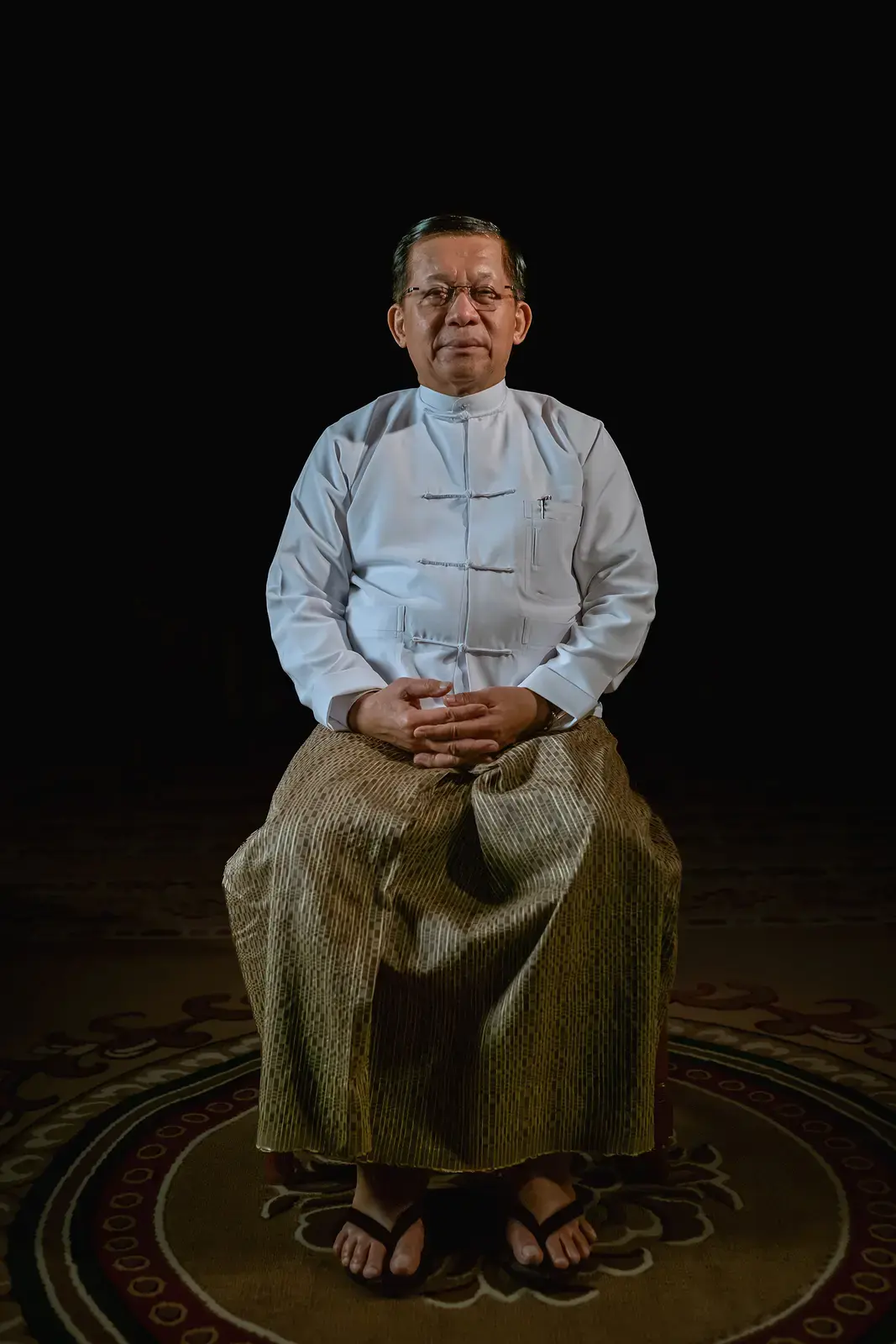
Min Aung Hlaing sat across from Western journalists in Naypyidaw's presidential palace on August 28, 2026, marking his first extensive interview with international media since the 2021 military coup. The 77-minute conversation represented a calculated diplomatic shift as the junta faces mounting international isolation and economic collapse.
The interview came amid Myanmar's deepening humanitarian crisis, with over 1.4 million displaced by escalating conflicts between military forces and ethnic armed organizations. Economic conditions worsened dramatically, with inflation reaching 130% and the kyat currency losing over 90% of its value against the dollar. The military's grip on power has been challenged by a coalition of eleven ethnic armed groups declaring a People's Civilian Governmentearlier this year.
Hlaing's appearance before Western journalists signaled an attempt to reengage with the global community after years of complete diplomatic isolation. The military commander acknowledged Myanmar's dire circumstances while defending the February 1, 2021, seizure of power that removed elected leader Aung San Suu Kyi.
I want to make peace, Hlaing stated during the interview, emphasizing his government's willingness to negotiate with ethnic groups and international partners. The junta has faced mounting pressure from regional neighbors concerned about the growing refugee crisis spilling across borders into Thailand and Bangladesh.
Can International Engagement Rescue Myanmar's Collapsed State?
The military's outreach comes as economic conditions deteriorate rapidly. Food prices have surged by 200% in urban areas, while basic healthcare access has collapsed in conflict zones. Over 13,000 civilian casualties have been documented by the Assistance Association for Political Prisoners since the coup, according to their latest reports.
The question of whether these diplomatic efforts can meaningfully improve conditions for Myanmar's population remains uncertain. The military has previously rejected numerous mediation attempts from regional powers and international organizations.
Sanctions imposed by the United States, European Union, and United Kingdom have severely restricted Myanmar's ability to conduct international trade. The military-controlled Union Solidarity and Development Party continues to consolidate control despite widespread protests and civil disobedience movements that have crippled key sectors of the economy.
Frequently Asked Questions
The outcome of Hlaing's diplomatic outreach may determine whether Myanmar can avoid total state collapse or descend further into chaos. Regional stability increasingly depends on whether these overtures represent genuine policy change or mere tactical positioning ahead of potential power transitions.
Can Myanmar's military actually restore meaningful international relations? The military's track record of rejecting dialogue and continuing violent suppression of dissent makes genuine reconciliation unlikely without significant internal pressure for change.
How has the economic situation affected ordinary citizens? Hyperinflation and currency collapse have devastated purchasing power, with basic necessities becoming unaffordable for most of the population while healthcare and education systems have largely collapsed.
What role do ethnic armed groups play in Myanmar's current crisis? Eleven major ethnic groups have formed a parallel government structure, creating a parallel power center that challenges the military's authority while complicating any potential peace negotiations.