Aligning Strategic Interests in Florida
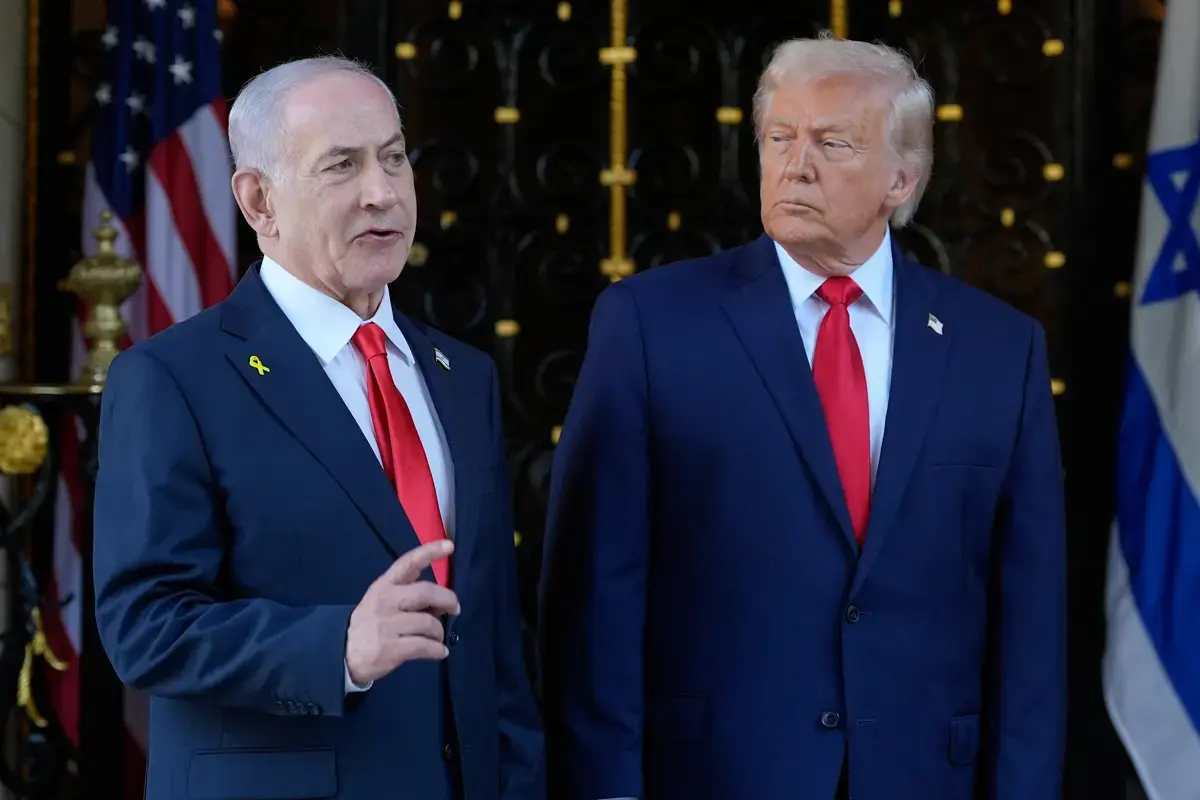
Israeli Prime Minister Benjamin Netanyahu is set to meet with former President Donald Trump in Florida this week. This marks their first face-to-face discussion since the outbreak of the war involving Iran. The high-stakes meeting takes place at Trump’s Mar-a-Lago estate as both leaders navigate significant political challenges at home.
The encounter comes at a volatile moment for the Middle East. Netanyahu is currently managing a complex military campaign while facing intense scrutiny regarding his leadership and domestic policy. Meanwhile, Trump remains deeply involved in his own political ambitions as he campaigns for another term in the White House.
Observers view the meeting as a calculated move for both figures. Netanyahu seeks to maintain strong ties with American leadership, regardless of the current administration’s stance. By engaging with Trump, he aims to project strength and stability to his supporters in Israel.
Can This Meeting Influence Regional Stability?
For Trump, hosting the Israeli leader serves as a platform to highlight his foreign policy record. He frequently emphasizes his past actions in the Middle East, including the relocation of the U. S. embassy to Jerusalem. This meeting reinforces his image as a key player in global security matters.
The discussions will likely center on the ongoing conflict with Iran and its proxies. Both men have historically taken a hardline approach toward Tehran. They are expected to exchange views on how to counter regional threats and manage the long-term security of Israel.
Frequently Asked Questions
However, the meeting also highlights the political pressures surrounding both leaders. Netanyahu faces domestic calls for elections, while Trump is focused on securing his base. Whether this meeting yields tangible policy shifts remains to be seen. The optics of the event are designed to resonate with their respective constituencies during a period of global uncertainty.
What is the primary purpose of the meeting? The meeting serves to strengthen personal ties and discuss security strategies regarding the conflict with Iran. It also allows both leaders to project political strength to their domestic audiences.
How does this meeting affect the current U. S. administration? While the meeting is between a foreign leader and a private citizen, it highlights the complex political landscape in the U. S. It underscores the different approaches to Middle East policy currently debated in Washington.