The Rising Electoral Clout of Minority Parties
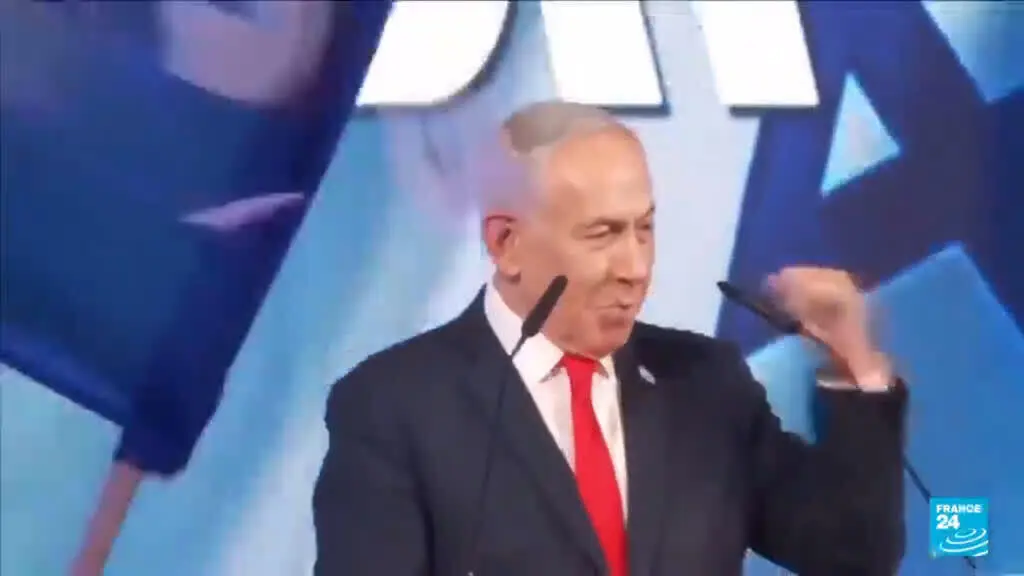
Prime Minister Benjamin Netanyahu launched sharp verbal attacks against Arab political factions on Thursday as preliminary election returns suggested these minority groups could hold the decisive balance of power in Israel's parliament.
The Likud party leadership released unverified assertions claiming that Arab political blocs achieved unprecedented voter turnout through fraudulent means. Netanyahu attempted to discredit their rising electoral influence, warning his conservative base about a potential left-wing coalition relying on Arab support. These aggressive rhetoric tactics mirror previous election cycles where the incumbent leader sought to mobilize right-wing voters by portraying minority politicians as an existential threat to national security.
Arab citizens make up approximately twenty percent of Israel's population, yet their political representation has historically remained fractured and sidelined from major governing coalitions. Recent consolidation under the Joint List and subsequent maneuvering have changed this dynamic, transforming alienated voters into pivotal players capable of breaking prolonged governmental stalemates.
Can Opposing Factions Bridge the Divide?
Analysts note that voter participation among Arab Israelis surged significantly compared to previous cycles, driven by a unified desire to unseat the long-serving prime minister. This unexpected legislative weight places Arab leaders in a powerful negotiating position, allowing them to demand policy concessions regarding housing, policing, and infrastructure in marginalized towns.
Building a viable governing coalition requires unprecedented compromises between secular, religious, and Arab parliamentarians who share virtually no ideological common ground. Netanyahu desperately needs additional seats to secure a stable majority, while his centrist and right-wing rivals face similar arithmetic challenges that might force them into uncomfortable parliamentary partnerships.
Frequently Asked Questions
The ongoing political deadlock highlights deep structural fractures within Israeli society and demonstrates how minority turnout can completely rewrite the nation's political future. As official tallies finalize, the ultimate fate of the ruling administration rests entirely on whether traditional rivals can stomach cooperating with the very figures Netanyahu spent the campaign demonizing.
What sparked Benjamin Netanyahu's recent attacks on Arab parties? Netanyahu targeted the factions after early election results showed record-breaking voter turnout among Arab citizens, threatening his path to a parliamentary majority.
Why are Arab political groups considered potential kingmakers? Because neither major Jewish-led political bloc secured enough outright seats to govern alone, making the votes of Arab parliamentarians crucial for forming a ruling coalition.