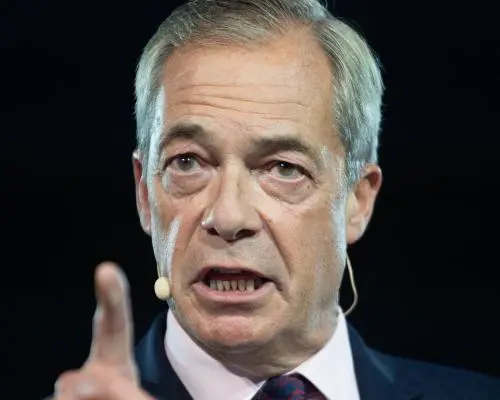
The Personal Touch in Political Rhetoric
Reform UK leader Nigel Farage has found his niche in the anti-European Union space. He thrives in this political environment. His colleagues at Reform UK are viewed by him as necessary distractions. Some he considers mere puppets.
Farage’s relationship with his party members reveals much about his leadership style. He has openly dismissed Sarah Pochin, calling her a „pisshead.”His opinion of Richard Tice and Zia Yusuf is similarly low. This personal dynamic shapes how he approaches policy debates.
Why Does Farage Prefer Solitary Anti-EU Messaging?
The answer lies in his political identity. Farage built his career on challenging EU membership. Returning to this familiar ground allows him to speak with conviction. His solo messaging resonates with voters tired of bureaucratic Brussels.
Farage’s return to anti-EU rhetoric signals continued friction between London and Brussels. His party will likely push for further deregulation and trade independence. Voters who supported Brexit may find renewed energy in his campaign. The political landscape will continue shifting as Reform UK consolidates its base.
What Does This Mean for UK-EU Relations?
What is Farage’s main political focus? Farage focuses on leaving the EU and reducing bureaucracy. He believes this strengthens UK sovereignty.
Frequently Asked Questions
How does Farage view his Reform UK colleagues? He sees them as necessary but often dismisses them personally. This creates internal tension within the party.
What impact will his rhetoric have on UK-EU relations? His messaging will likely intensify negotiations and trade discussions. Expect more hardline positions from Reform UK.