Norway’s Arctic Blueprint: From Patrol Ships to Radar Networks
Oslo’s defence minister announced on Tuesday that Norway is already shouldering the hard work of protecting the Arctic. The statement came as President Joe Biden revived talk of U. S. strategic interest in Greenland, a Danish territory that sits just south of the Arctic Circle. Norway, a NATO member with a long coastline in the region, says its forces are ready to support American security goals.
The minister, Bjørn Arild Gram, highlighted Norway’s extensive patrols, surveillance assets and joint training exercises with U. S. forces. He said the country’s Arctic strategy focuses on safeguarding sea routes, monitoring climate‑driven changes and deterring any hostile moves. The push for Greenland reflects Washington’s desire to secure critical minerals and maintain a strategic foothold near Europe’s northern edge. Norway’s involvement, he added, is part of a broader NATO effort to keep the high‑latitude region stable.
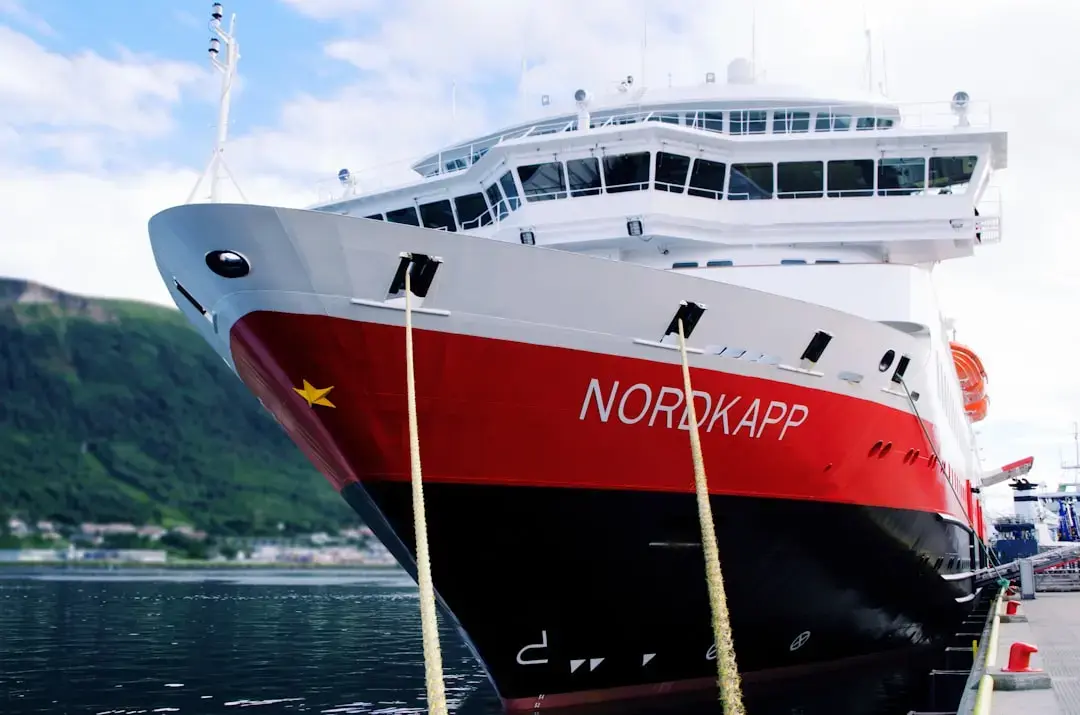
Gram explained that Norway operates a fleet of ice‑capable vessels that patrol the Barents Sea and the Norwegian Sea year‑round. These ships work alongside NATO air‑refuelers and satellite‑based radar stations that track vessels and aircraft. „Our presence is continuous,” he said, „and it allows us to spot potential threats before they reach the coast.” He also noted that Norway has invested over €200 million in upgrading its coastal radar network since 2020. The upgrades improve detection of both military and civilian traffic, a crucial capability as melting ice opens new shipping lanes.
Will Norway’s Commitment Shape the Future of U. S. Greenland Plans?
The defence minister pointed to joint exercises with U. S. Navy Arctic forces that have become an annual fixture. In the latest drill, Norwegian and American crews practiced anti‑submarine warfare and emergency response in icy waters. The exercises aim to sharpen interoperability and ensure that both nations can act quickly if the Arctic becomes a flashpoint. Gram stressed that these drills are not about „controlling” the region, but about preserving peace and protecting the environment.
Analysts ask whether Norway’s proactive stance will influence Washington’s approach to Greenland. Some argue that a strong Norwegian‑U. S. partnership could make a formal U. S. base on Greenland unnecessary. Others warn that the Arctic’s growing strategic value may still drive American policymakers to seek a direct presence. Gram cautioned that any decision about Greenland must respect Danish sovereignty and the wishes of Greenland’s own government. „We are partners, not decision‑makers for others,” he said.
The growing cooperation between Norway and the United States signals a shift toward collective Arctic security. If the partnership deepens, the region could see increased joint patrols, shared intelligence and coordinated responses to climate‑related emergencies. However, the balance of power will also depend on how Russia and China respond to NATO’s heightened activity. For now, Norway’s message is clear: it will keep the Arctic safe while supporting its allies’ strategic interests.
Frequently Asked Questions
Why is Greenland of interest to the United States? Greenland sits near key Atlantic shipping routes and holds valuable rare‑earth minerals. Its location also offers a strategic platform for monitoring the Arctic and Europe.
What specific capabilities does Norway contribute to Arctic defence? Norway provides ice‑strengthened patrol vessels, advanced coastal radar, satellite surveillance and regular joint training with NATO allies, especially the United States.
How might increased NATO activity affect the Arctic environment? Enhanced patrols can improve emergency response to oil spills or accidents, but higher military traffic also raises the risk of pollution. NATO aims to balance security with environmental stewardship.