Congressional Scrutiny of AI Chip Exports
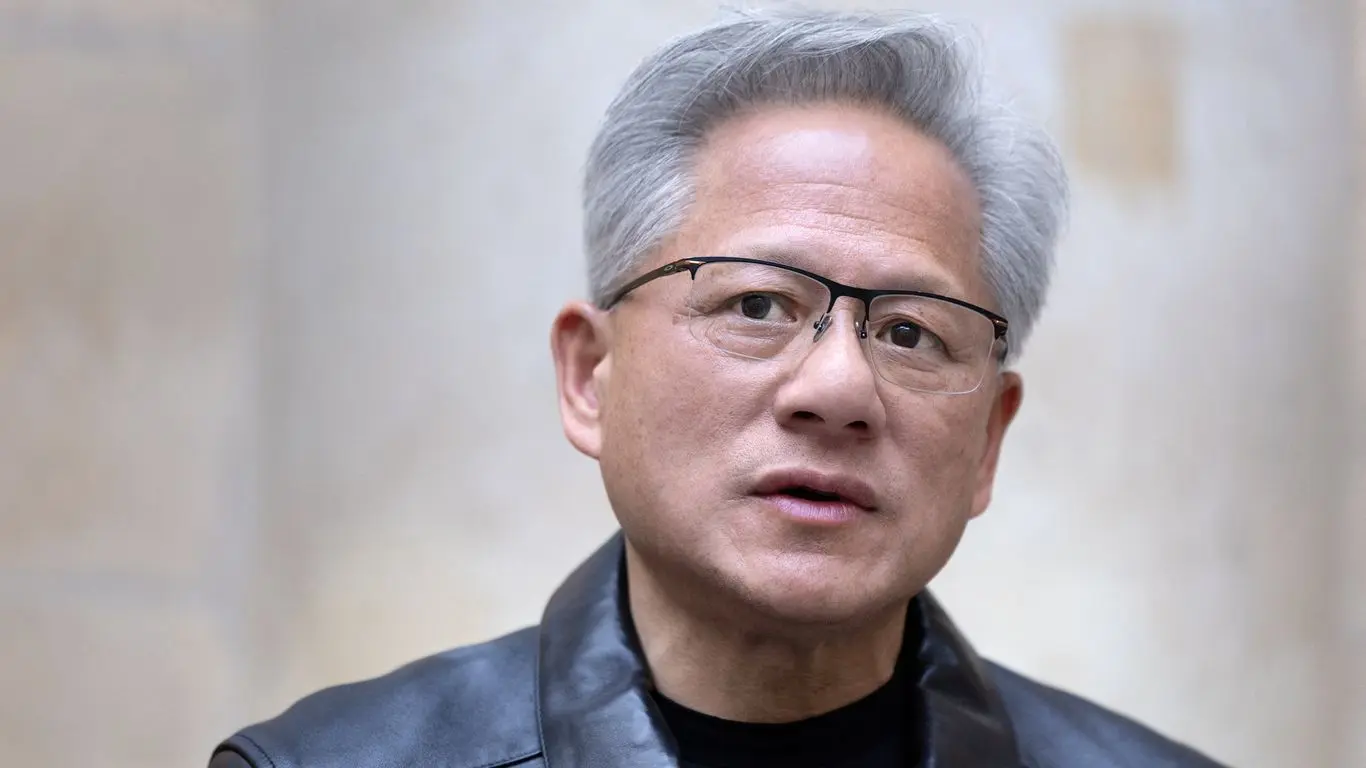
Nvidia chief executive Jensen Huang and the company’s general counsel, Tim Teter, have agreed to testify before the U. S. Congress in early December. Lawmakers announced this development on Tuesday, confirming that both executives will appear for official hearings. This move addresses growing concerns regarding the security of advanced artificial intelligence processors developed by the chip giant. The testimony comes amid heightened scrutiny of how American technology interacts with foreign entities.
The hearing focuses on whether Nvidia’s powerful AI chips were potentially compromised by Chinese intelligence agencies. Lawmakers seek to determine if the company took sufficient measures to protect sensitive American technology. The core issue involves the export controls and design of chips that power modern AI systems. Officials want clarity on whether vulnerabilities exist in the hardware or software layers. This inquiry reflects a broader debate over national security in the tech sector.
What Are the Main Concerns?
Members of Congress are investigating the lifecycle of Nvidia’s high-performance computing units. They want to know if Chinese state actors gained access to critical design files or manufacturing processes. The general counsel, Tim Teter, will likely address legal frameworks used by the company. He may explain compliance protocols implemented during international sales transactions. Jensen Huang will provide technical insights into the chip architecture. His testimony will cover specific models that sparked the initial controversy. The goal is to map out exactly where security gaps might have existed.
Lawmakers are not just asking for assurances; they are demanding evidence. They review internal communications and audit reports to verify claims. The process aims to establish a clear timeline of events. This helps identify when potential risks were first detected. It also reveals how quickly the company responded to those findings. The dual appearance of the CEO and legal head ensures comprehensive coverage. Technical details meet legal interpretations in a single forum. This approach allows for immediate cross-examination on complex topics.
Outlook for Tech Policy
The primary concern is the potential leakage of proprietary algorithms. These algorithms define how AI models learn and process data. If compromised, the advantage held by American firms could diminish. Additionally, there is worry about backdoors in the hardware. Such vulnerabilities could allow remote monitoring or data interception. The hearing will test whether these fears are justified or speculative. It will also examine the role of export licenses granted by the government. Did the company operate within all established boundaries? Or did exceptions create unintended openings for foreign access?
The outcome of these hearings will shape future regulations for semiconductor exports. Lawmakers may propose stricter auditing requirements for all major chipmakers. Companies might face mandatory third-party security reviews before selling abroad. This could slow down the pace of global AI adoption. However, it would strengthen the resilience of the supply chain. Investors will watch closely for any legislative changes announced after the testimony. The decision to cooperate voluntarily signals Nvidia’s confidence in its defenses. Yet, the formal nature of congressional testimony carries significant weight. A negative finding could trigger new trade restrictions. The industry awaits the final report to understand the new landscape.
Frequently Asked Questions
When will the testimony take place? Jensen Huang and Tim Teter are scheduled to testify in early December. The exact date has been set by the relevant congressional committee. Both executives will appear together for the session.
Why is this hearing happening now? Lawmakers need answers about potential intelligence compromises in AI chips. They want to ensure American technology remains secure against foreign threats. The timing aligns with ongoing debates about export controls.