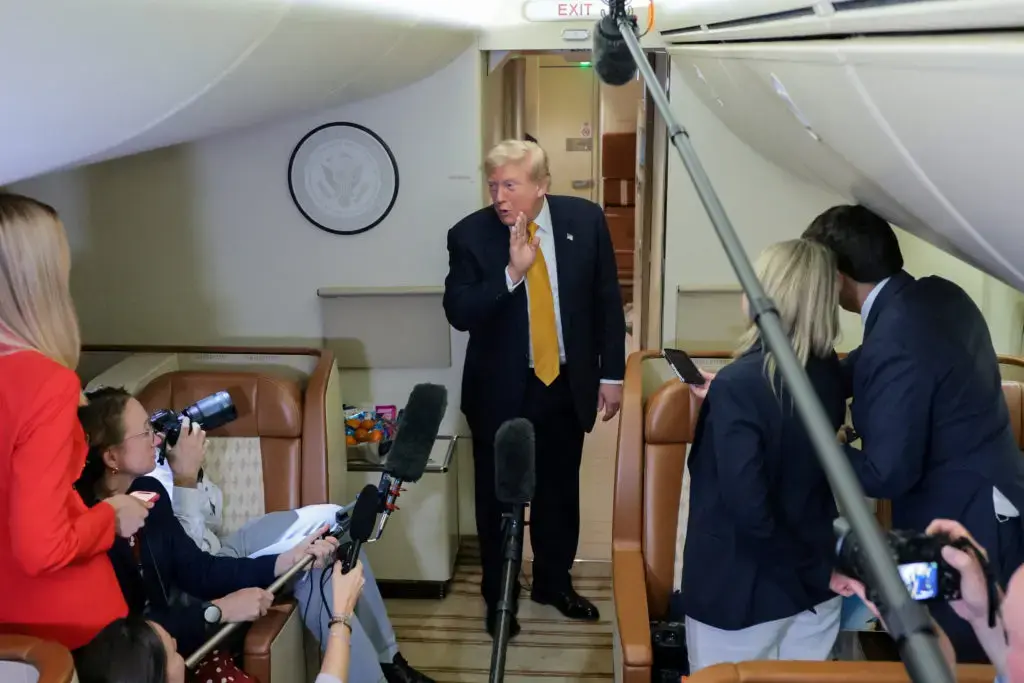
Legal Grounds Behind the Grand Jury Subpoenas
Washington, D. C., – Two New York Times journalists received subpoenas this week from a federal grand jury investigating recent articles about Air Force One. The subpoenas compel the reporters to testify about material the government says may contain classified information. The move has ignited concerns among press‑freedom advocates.
The Air Force One pieces, published in early June, detailed logistical and security arrangements for the presidential aircraft. Federal prosecutors argue the stories reveal sensitive data that could jeopardize national security. The grand jury’s request forces the reporters to appear before a federal panel and answer questions about their sources and reporting methods. The Times has challenged the subpoenas, citing the First Amendment and the need to protect confidential sources.
Prosecutors say the subpoenas are justified under the „lawful investigation” exception, allowing courts to compel testimony when a crime is alleged. In this case, officials allege unauthorized disclosure of classified information. The grand jury, sitting in Washington, can issue subpoenas to any individual whose testimony may further the investigation. Critics argue the approach bypasses the traditional „reporter’s privilege” that shields journalists from forced disclosure. Legal scholars note that the balance between national security and press freedom is rarely clear, and courts have issued divergent rulings in similar cases.
Will This Threaten Investigative Journalism?
Press‑rights groups fear the subpoenas could set a precedent that discourages reporters from pursuing stories involving government secrets. „When journalists are forced to reveal sources, the flow of information to the public dries up,” said a senior fellow at a media watchdog organization. The New York Times has pledged to fight the subpoenas in court, emphasizing the essential role of a free press in a democratic society. If the court upholds the subpoenas, other news outlets may face similar pressures, potentially curbing investigative reporting on sensitive topics.
The outcome of this legal battle could reshape the relationship between the press and the federal government. A ruling favoring the grand jury may embolden authorities to pursue more aggressive investigations of journalists. Conversely, a decision protecting the reporters could reaffirm the strength of the First Amendment. Both outcomes carry significant implications for how newsrooms handle confidential sources and national‑security reporting.
Frequently Asked Questions
What are the specific allegations against the reporters? Prosecutors claim the journalists published details that constitute unauthorized disclosure of classified information about Air Force One’s operations.
Can the reporters refuse to testify? They can invoke reporter’s privilege, but a court may compel testimony if it finds the national‑security interest outweighs press‑freedom protections.
What impact could this case have on future reporting? A ruling that upholds the subpoenas may deter journalists from covering classified subjects, while a protective ruling could reinforce legal safeguards for newsgathering.