Iran Nuclear Deal on the Brink
The price of oil rose sharply after US President Donald Trump threatened to strike Iran if it retaliates against Israel. Talks between the US and Iran started in Vienna, Austria, aimed at reviving the 2015 nuclear deal. Trump's warning came as a surprise, given the ongoing diplomatic efforts.
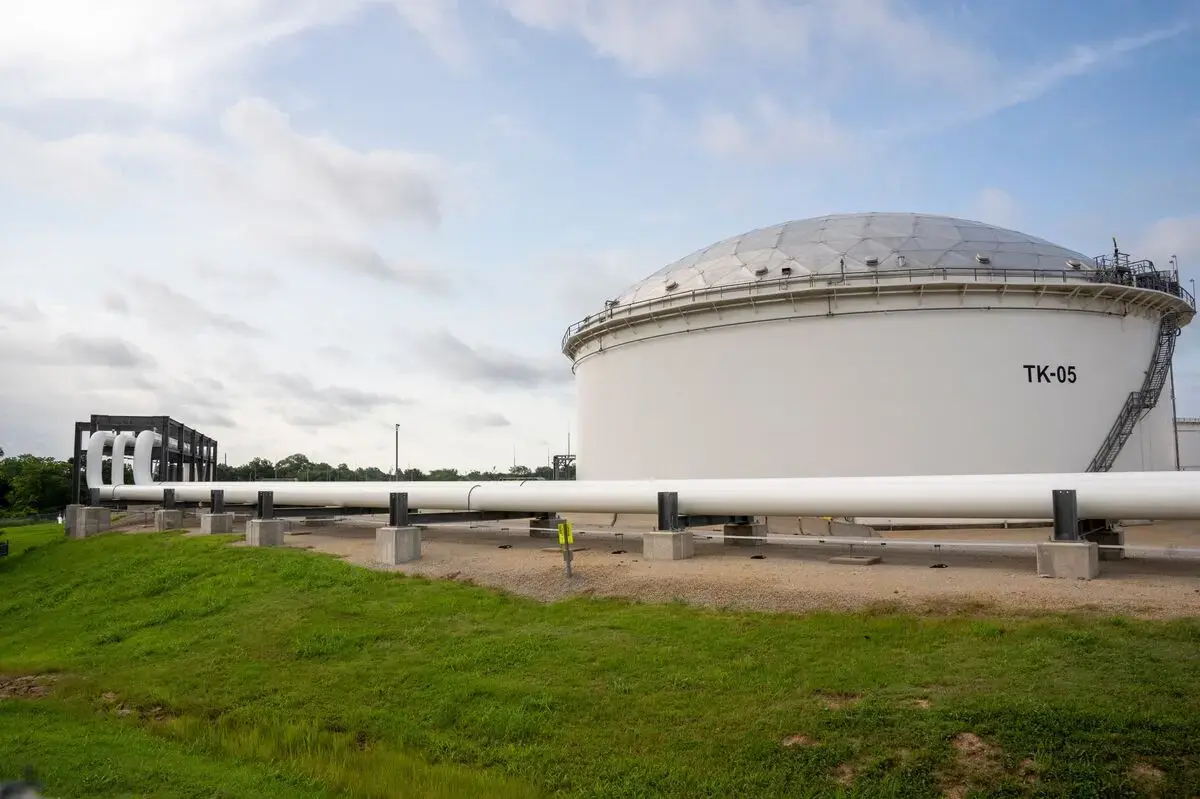
The threat from Trump has raised concerns about potential disruptions to oil supplies from the region. Dan Dicker, author of Oil's Endless Bid, believes markets are underestimating the impact of supply disruptions. Global stockpiles have been significantly drawn down, making the market more vulnerable to shocks.
Can Diplomacy Prevail Amid Rising Tensions?
Despite the threat, diplomatic efforts continue, with the US and Iran engaging in indirect talks. The Iranian government has expressed willingness to revive the nuclear deal, but has also warned of consequences if Israel attacks.
The surge in oil prices is likely to have far-reaching consequences for the global economy, already reeling from the COVID-19 pandemic. A prolonged disruption to oil supplies could push prices even higher, exacerbating inflationary pressures.
What triggered the rise in oil prices? The threat from Trump to strike Iran if it retaliates against Israel led to a surge in oil prices. This has raised concerns about potential supply disruptions.
Frequently Asked Questions
How have global oil stockpiles been affected?
What are the prospects for the Iran nuclear deal? The US and Iran are engaged in indirect talks, but the threat from Trump has raised doubts about the deal's revival.