Voter List Controversy Sparks Nationwide Protests
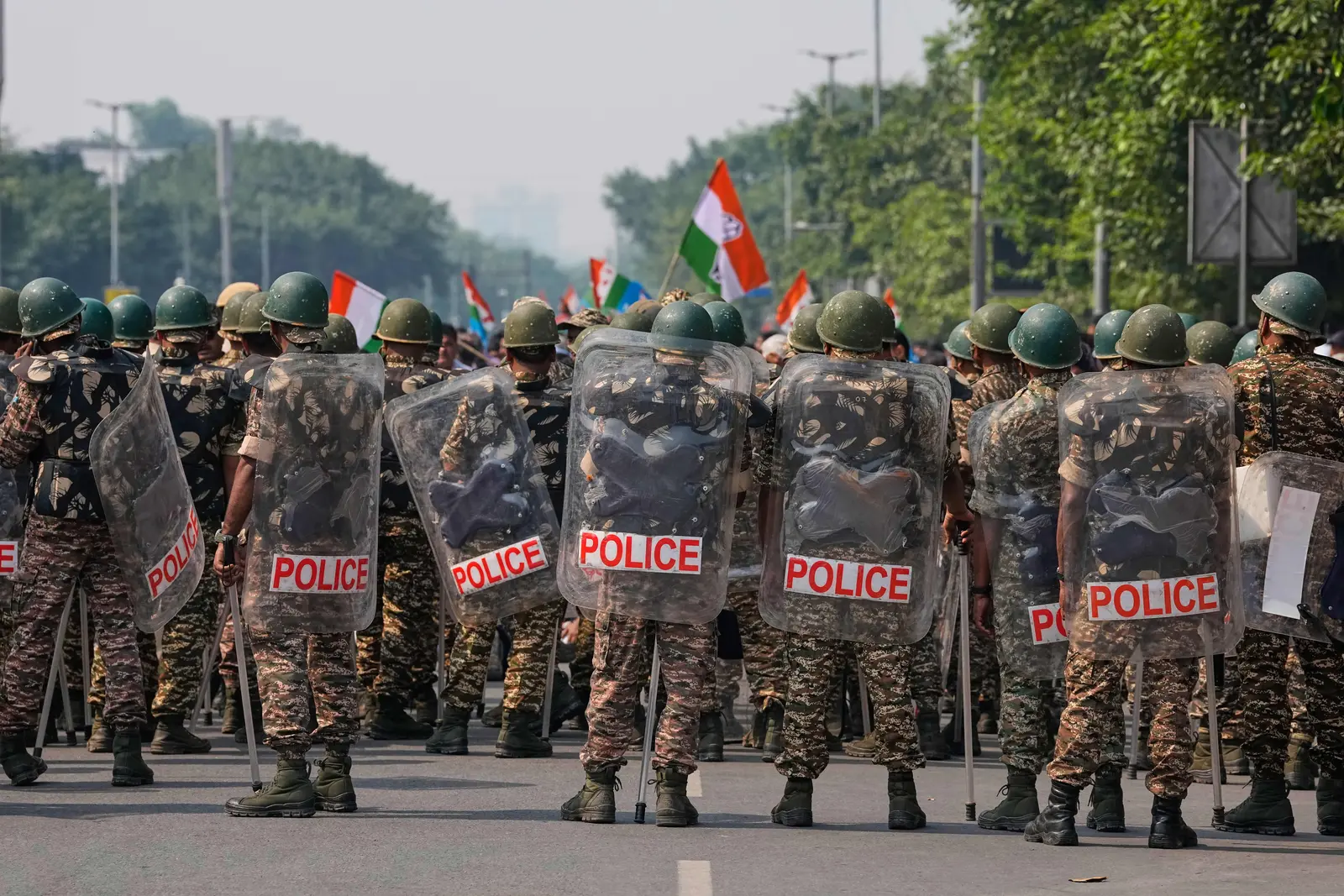
A coalition of India’s main opposition parties assembled near the Supreme Court in New Delhi on Monday, demanding the resignation of Chief Election Commissioner Gyanesh Kumar. The march, which began in the early afternoon, drew thousands of protesters, many of whom wore riot gear, as police escorted them through the capital’s streets.
The opposition claims that the Election Commission’s recent revision of the voter registration lists disproportionately favors the ruling party. They argue that the changes, announced just days before the upcoming elections, have removed thousands of eligible voters from the rolls, potentially skewing the electoral outcome. The parties are calling for a transparent audit of the voter rolls and a thorough review of the Commission’s procedures.
The dispute over the voter rolls has ignited protests across several states, with demonstrators accusing the Election Commission of political bias. Critics point to irregularities in the updated lists, including the removal of voters in key constituencies. The opposition’s demand for the Chief Election Commissioner's resignation is rooted in a broader call for electoral integrity. They claim that the Commission’s actions undermine public trust in the democratic process and threaten the fairness of the upcoming elections.
Will the Supreme Court Intervene? How Will the Election Commission Respond?
In Delhi, the march was organized by the Congress party, the main opposition force, alongside smaller parties such as the Aam Aadmi Party and the Trinamool Congress. Protesters carried banners calling for „clean elections” and „justice for voters.” The police deployed riot gear to maintain order as the crowd moved toward the Supreme Court building. Despite the tense atmosphere, the march proceeded peacefully, with no major incidents reported.
The Supreme Court’s involvement is uncertain, but the opposition’s presence at its gates signals a direct challenge to the Election Commission’s authority. The parties have requested a judicial review of the voter lists and an immediate suspension of the Commission’s decisions pending investigation. They argue that the Commission’s actions violate the Constitution’s guarantee of free and fair elections. The Court may need to weigh the urgency of the electoral timeline against the need for a transparent audit.
The Election Commission, meanwhile, has defended its revisions as necessary to eliminate duplicate entries and improve the accuracy of the voter rolls. Officials claim that the changes were made in accordance with legal guidelines and that any discrepancies will be addressed through existing complaint mechanisms. The Commission’s chief, Gyanesh Kumar, has yet to respond publicly to the opposition’s demands, adding to the tension.
The outcome of this standoff could reshape the electoral landscape. If the Court sides with the opposition, the Commission may be forced to redo the voter rolls, potentially delaying the election schedule. Conversely, a ruling in favor of the Commission could reinforce the ruling party’s position, but may also fuel further unrest among voters who feel disenfranchised.
Frequently Asked Questions
Q1: Why are the opposition parties demanding the resignation of the Chief Election Commissioner? A1: They allege that the Commission’s recent voter list revisions favor the ruling party, compromising election fairness. They see the Commissioner’s resignation as a step toward restoring credibility.
Q2: What is the current status of the voter list dispute? A2: The opposition has staged protests and filed petitions with the Supreme Court. The Election Commission maintains that its changes are lawful and will address complaints through established channels.
Q3: How might this affect the upcoming elections? A3: A judicial intervention could delay the elections or require a new audit of voter rolls, while a decision against the opposition may embolden the ruling party but risk further public dissent.