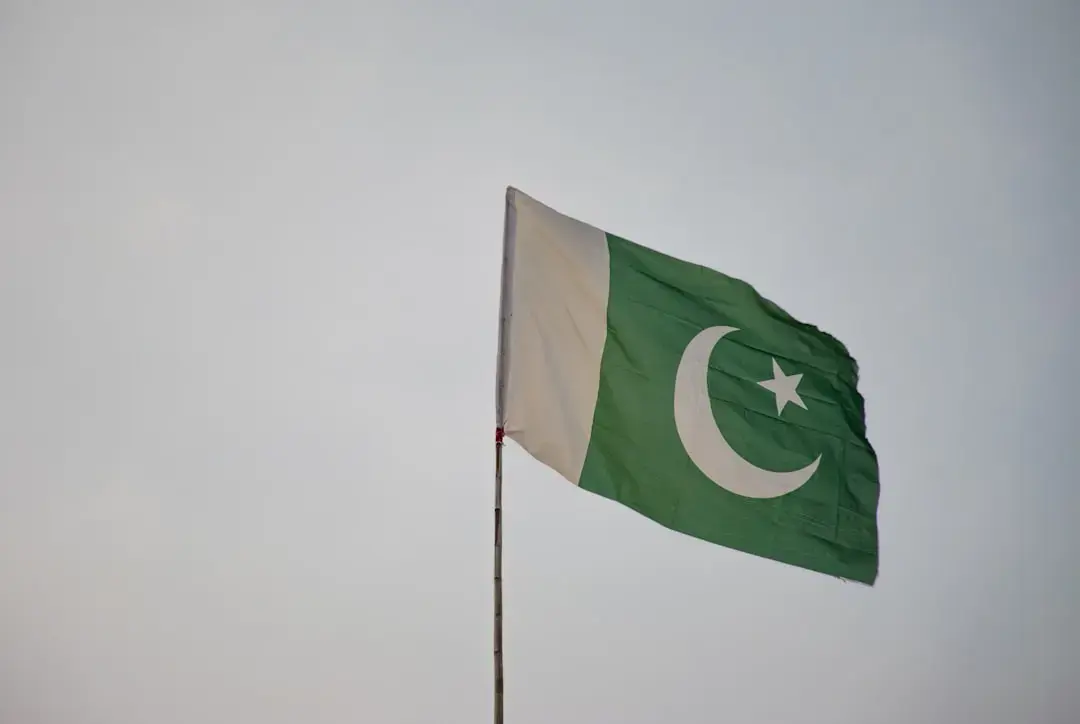
Pakistan’s diplomatic pivot: From battlefield to bargaining table
Prime Minister Shehbaz Sharif praised Pakistan’s army chief and his cabinet for clinching a provisional agreement between Washington and Tehran. The deal, expected to be formalised in Geneva later this week, comes after more than 100 days of fighting in Gaza.
The breakthrough follows months of quiet diplomacy by Pakistani officials, who leveraged Islamabad’s historic ties with both the United States and Iran. Sharif highlighted the army chief’s „steady hand” in navigating complex regional politics. The agreement aims to de‑escalate tensions, open humanitarian corridors, and lay groundwork for a broader cease‑fire. Both sides have signaled willingness to discuss prisoner exchanges and reconstruction aid for Gaza.
Pakistan’s military leadership has long maintained a strategic relationship with Iran, rooted in shared security concerns along the Afghan border. Over the past weeks, senior officers shuttled between Tehran, Washington, and Geneva, presenting a neutral platform for dialogue. Analysts say the army chief’s credibility helped bridge the deep mistrust that has stalled talks for years. „We offered a discreet venue where all parties could speak without media pressure,” a senior Pakistani diplomat told reporters. The United States, weary of a protracted conflict, welcomed the initiative, hoping to curb Iran’s support for militant groups in the region. Iran, meanwhile, viewed the talks as an opportunity to assert its influence and secure relief for its own population, which has faced sanctions and economic strain.
What will the Geneva talks determine for the Gaza conflict?
Geneva’s final session will decide whether the provisional text becomes a binding pact. Key issues on the agenda include the release of hostages, the flow of humanitarian aid, and the establishment of a monitoring mechanism to prevent further rocket fire. Observers warn that any misstep could reignite hostilities, but they also note that the mere presence of a formal framework signals a shift from open warfare to negotiated settlement. If the agreement holds, it could pave the way for a broader regional dialogue involving Egypt, Qatar, and the United Nations, potentially reshaping the Middle‑East diplomatic landscape.
The tentative accord marks a rare moment of cooperation between the United States and Iran, mediated by a South Asian power. Its success could restore some stability to a war‑torn Gaza and reduce the risk of a wider regional conflagration. However, implementation will depend on the willingness of hard‑line factions in both capitals to honor commitments. For now, the world watches as Geneva prepares to turn a fragile draft into a concrete step toward peace.
Frequently Asked Questions
Why did Pakistan intervene in US‑Iran talks? Pakistan’s army maintains longstanding contacts with Iran and enjoys a trusted relationship with the United States, positioning it as a neutral mediator capable of facilitating discreet negotiations.
What are the main obstacles to finalising the agreement? Key hurdles include securing agreement on hostage releases, guaranteeing safe humanitarian corridors, and convincing hard‑liners in both Washington and Tehran to back the deal despite domestic political pressures.
How might the pact affect the broader Middle‑East region? If successful, the pact could reduce Iranian support for proxy groups, encourage other regional powers to join peace talks, and create momentum for a comprehensive settlement to the Gaza conflict.