Super PACs and Billionaires Fuel the Spending Boom
Political advertising spending for the 2026 U. S. midterm elections has surpassed the $10 billion mark, with projections indicating a total of around $11 billion by the end of the cycle. The surge reflects intensified efforts by Super PACs and wealthy donors to influence voter sentiment ahead of the congressional and state elections.
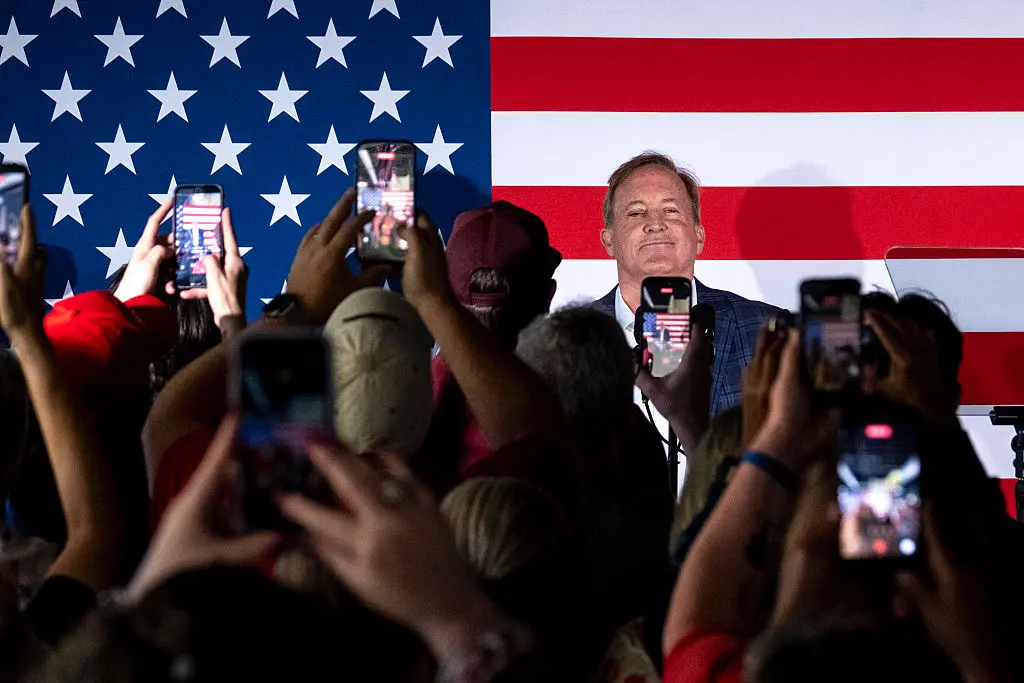
The record‑breaking outlay was reported last week after a detailed audit of campaign finance data. Texas Attorney General Ken Paxton, a Republican candidate for U. S. Senate, was photographed at a rally in Killeen, Texas, on October 17, 2026, illustrating the high‑profile nature of the campaign. His event, held at Southern Roots Brewing Co., attracted a sizable crowd and was part of a broader strategy that relies heavily on paid media.
How Does the Advertising Volume Translate to Voter Influence?
Super PACs, which can raise unlimited sums from individuals, corporations, and unions, have become the primary engines behind the unprecedented inflation in political advertising. Recent filings show that these groups have poured billions into television, radio, and digital campaigns, targeting key swing states and battleground districts. The influx of capital has allowed for more sophisticated targeting, frequent ad rotations, and extended media buys that were previously unattainable for smaller campaigns.
The involvement of high-net-worth individuals has amplified this effect. Billionaires with vested interests in policy outcomes are channeling funds to influence election results, often through independent expenditure committees. Their contributions have helped sustain a continuous stream of ads that emphasize partisan narratives and policy critiques. Analysts suggest that this concentration of money may skew the political discourse, prioritizing messages that resonate with affluent donors over broader public concerns.
Will the Spending Trend Continue Into 2028?
What does a $10 billion spend mean for the electorate? The sheer volume of ads increases the frequency with which voters encounter campaign messages, potentially reinforcing partisan identities. Studies from previous cycles indicate that higher ad spend correlates with greater voter turnout for the associated party, though the effect varies by demographic group. In 2026, data from the National Election Studies show that voters in competitive districts exposed to more than 50 political ads per week reported higher confidence in their preferred candidate’s platform.
However, saturation can also breed fatigue. Some voters report feeling overwhelmed by the constant barrage of ads, leading to disengagement or a reliance on partisan news outlets for filtering information. Moreover, the rise in targeted digital advertising raises concerns about privacy and the potential for micro‑targeting to manipulate specific populations.
Frequently Asked Questions
Given the current trajectory, many experts predict that political advertising will remain a dominant feature of future elections. The 2028 presidential cycle is expected to see similar or higher expenditures, especially as parties seek to capitalize on the lessons learned from the 2026 midterms. Campaign finance reform advocates argue that stricter disclosure rules and caps on independent expenditures could curb the influence of Super PACs and wealthy donors. Yet, without legislative changes, the current model—where money buys airtime and influence—appears poised to persist.
The implications for democracy are significant. While robust advertising can inform voters, the disproportionate influence of wealthy donors may undermine equitable representation. Voters, policymakers, and watchdog groups will need to monitor how this financial power shapes electoral outcomes and public policy.