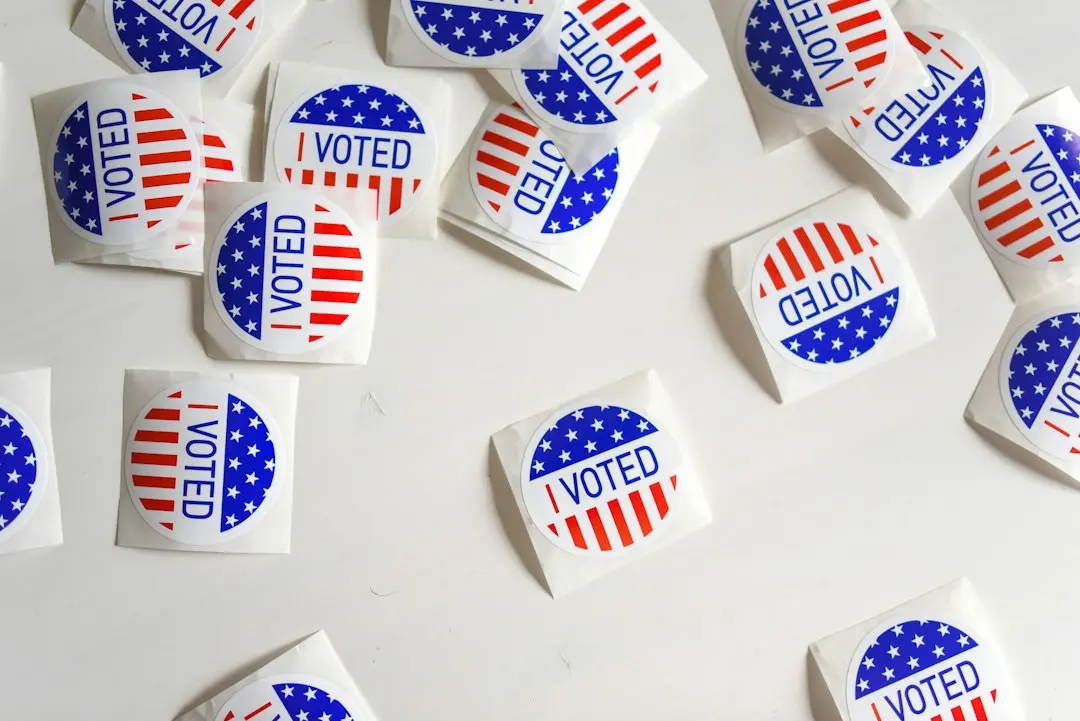
Why Generic Ballot Numbers Can Mislead Voters
Democratic candidates currently hold a slight edge over Republicans in the national congressional ballot test, according to the latest RealClearPolling average, but survey experts caution that the margin may not be as decisive as some observers assume. The data comes as both parties prepare for the 2026 midterm elections, with voters in New York and across the country weighing key issues heading into November.
While Democrats maintain a narrow advantage in the generic congressional matchup, pollsters note that historical trends and voter enthusiasm levels suggest the so-called blue wavecould be less pronounced than early indicators imply. RealClearPolling aggregates multiple surveys, but individual polls vary significantly in methodology and sample size, creating potential gaps between headline numbers and actual electoral outcomes.
Polling analysts explain that generic congressional questions often fail to capture candidate-specific dynamics, local issues, and turnout variations that heavily influence real election results. The margin between parties in these surveys typically narrows as Election Day approaches, especially when economic concerns and international conflicts dominate voter priorities. Additionally, many polls conducted months before midterms tend to overestimate the strength of the incumbent party's base enthusiasm.
What Will Decide the True Balance of Power?
Recent surveys from key battleground states show mixed signals, with some districts favoring Republicans on local economic issues while others lean Democratic on healthcare and education spending. Pollsters emphasize that undecided voters, who often comprise 5 to 8 percent of respondents in generic matchups, can swing dramatically based on late-breaking news cycles or candidate debates.
The final composition of Congress will likely depend on turnout models, candidate quality, and how effectively each party mobilizes its base without alienating swing voters. National security, inflation, and Supreme Court appointments remain top concerns for undecided voters, making ground-game strategy and messaging discipline critical factors in determining which party controls the chamber after November.
Frequently Asked Questions
What does the RealClearPolling average show? The aggregate shows Democrats leading Republicans by a small margin in the generic congressional ballot, though individual polls vary widely in their findings.
Why should voters be cautious about early polling? Generic ballot questions do not reflect candidate-specific factors, and historical trends show leads often narrow closer to election day.
Which issues are most important to undecided voters? Economic stability, healthcare costs, and national security are the top concerns influencing undecided voters in key battleground districts.